Carnegie Science Day


Happy Birthday, Carnegie Science!
On this second annual Carnegie Science Day, we're celebrating the many ways Carnegie researchers are advancing discovery across interconnected frontiers. Together, these stories reflect a single idea: breakthroughs are most powerful when curiosity crosses boundaries.
Join us as we count down to January 29. Throughout the week, we’ll be adding new stories and interviews tackling big questions—from whether life ever existed on Mars, to how we might recognize life on other worlds, to the outsized role microbes play in shaping life on Earth.
Explore below, check back daily, and follow along on Instagram @CarnegieScience for updates, interviews, and behind-the-scenes highlights.
#HBDCarnegieScience
#HBDCarnegieScience 🎂
All week long, we’re sharing special #CarnegieScienceDay videos across our social media channels—from scientist interviews to behind-the-scenes moments. Follow along and join the conversation.



Inside Carnegie Science’s Blueprint for Discovery with John Mulchaey

Andrew Steele on what Martian meteorites can tell us about life on Mars?
Is there anybody out there? Detecting alien atmospheres with Shreyas Vissapragada.
Yixian Zheng: Who runs the world? Microbes! 🦠

How Do Worlds Begin?
"Star Stuff” → Planets
A world isn't built in a day. Over billions of years, the raw materials from which planets form are synthesized and strewn throughout the universe by an array of cosmic processes ranging from star formation and evolution to massive stellar exposions and galaxy collisions. Carnegie scientists study these phenomena to understand how worlds—and the ingredients for life—come together.
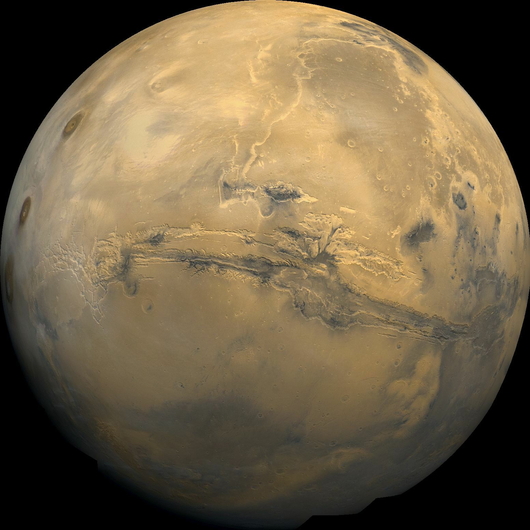
What Does It Take for Life to Begin?
Planets → Life
Not every planet becomes a home for life. Stellar activity, planetary chemistry, and geologic history all shape whether a world can support living systems—or lose that potential. Carnegie scientists study these forces to understand how some planets become habitable and how life can take hold.

How Would We Recognize Life?
Life on Earth → Life Elsewhere
Life leaves fingerprints. On Earth, biology reshapes chemistry, rocks, and ecosystems in ways that remain detectable long after they form. By studying these signals—from ancient photosynthesis to modern symbioses—Carnegie scientists learn how life makes its presence known and apply those lessons to the search for life beyond Earth.
#Carnegie125
Carnegie Science Day also marks the official start of our Countdown to 125!
As we approach our 125th anniversary next January, our staff have identified 125 objects, instruments, images, and specimens that define Carnegie Science’s history and influence. These artifacts—spanning astronomy, Earth science, biology, and beyond—tell the story of how curiosity-driven research has shaped modern science.
Follow us on social media as we begin unveiling these objects throughout the coming year and beyond.