Honoring a Legacy of Discovery

In late 2024 and early 2025, the Carnegie Science community came together to celebrate the lives and legacies of two towering figures in modern biology—Maxine Singer and Joseph Gall. Through heartfelt stories and scientific reflections, we honored their groundbreaking discoveries and their deep humanity, mentorship, and vision.
Singer and Gall helped write the playbook for 20th- and 21st-century biology—from cracking the human genetic code to unveiling the hidden architecture of the cell. Their work laid the foundation for fields that didn’t even exist when they first undertook biological scholarship, and their impacts are still felt by researchers, educators, policymakers, and science historians around the world.
Carnegie’s memorial events offered Singer and Gall’s friends, family, and colleagues a chance to reflect on all they gave to science—and to Carnegie—and to ensure their stories continue to inspire future generations.
“Carnegie Science recently lost two luminaries whose contributions to science and society will continue to guide us for decades to come,” said Carnegie Science President John Mulchaey. “My predecessor Maxine Singer shaped not only our institution, but our understanding of heredity. And Joe Gall similarly revolutionized his field, helping to usher in the modern genomic era of biology.”
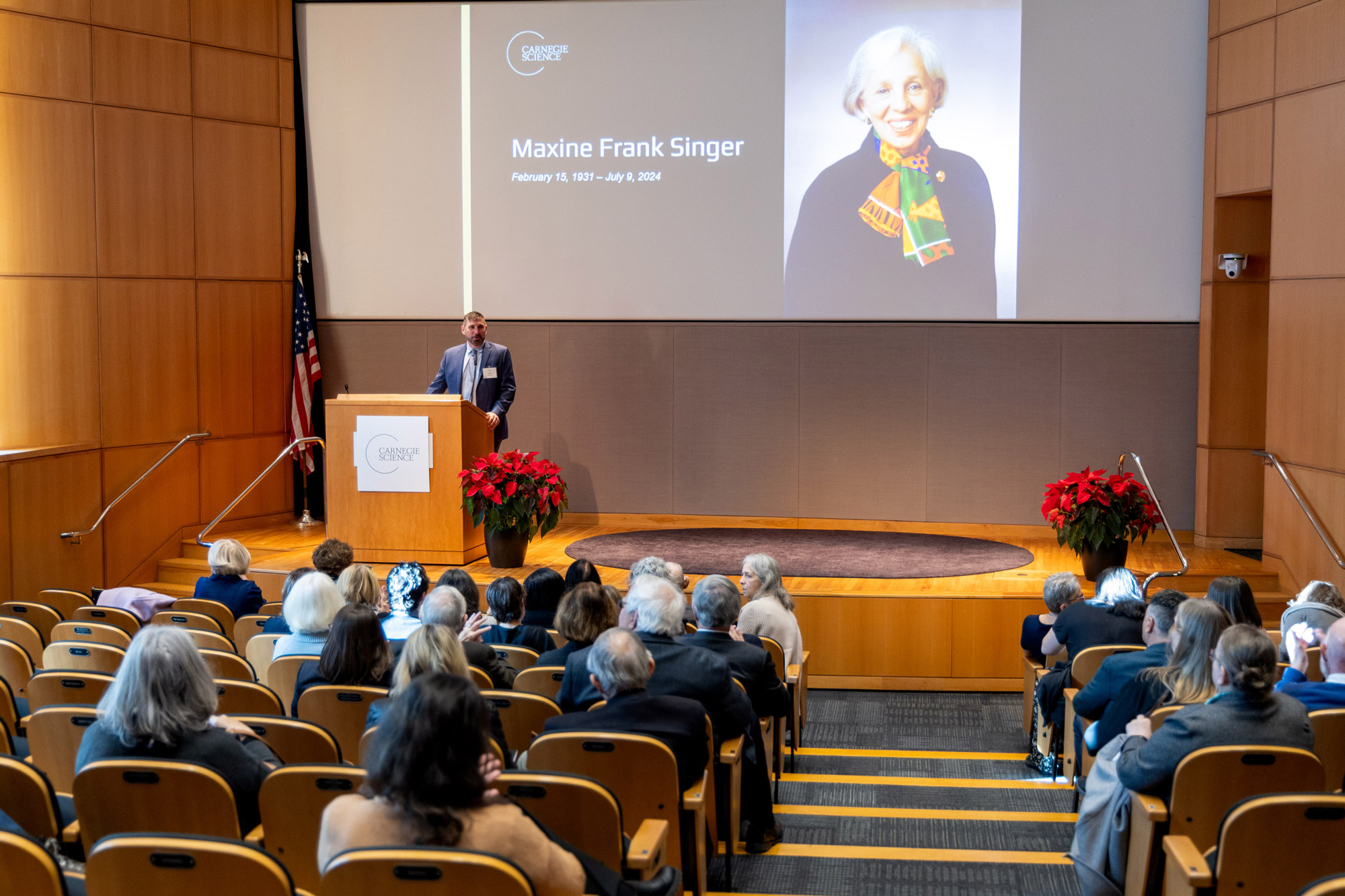
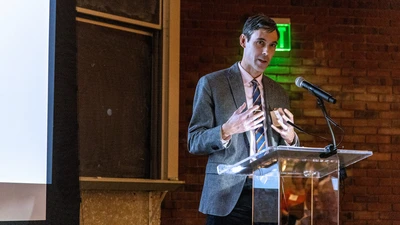
Carnegie Science President John Mulchaey speaks at the Maxine Singer memorial symposium
Remembering Maxine Singer
On December 14, 2024, the scientific community paid tribute to the extraordinary life of President Emerita Maxine Singer—a trailblazer who redefined the role of science in society and transformed our organization.
The memorial symposium illuminated every facet of Singer’s influence: her pioneering research in molecular biology, her transformative leadership, her fierce commitment to scientific ethics, and her tireless advocacy for STEM education. Through every story and tribute, one truth came through clearly—Singer didn’t just guide science forward, she imagined and built its future.
Singer, who died in July 2024 at age 93, left her mark across the scientific spectrum. As Carnegie’s leader, she championed the construction of the twin Magellan telescopes at our Las Campanas Observatory in Chile, paving the way for revolutionary advances in astronomy. Former Observatories Director Wendy Freedman and Staff Scientist Alycia Weinberger praised her bold decisions and visionary foresight—years ahead of her time.
“It took tremendous prescience in 2000 and 2001 to start hiring people interested in exoplanets when there were hardly any of them.”
— Alycia Weinberger, Staff Scientist, Carnegie Science
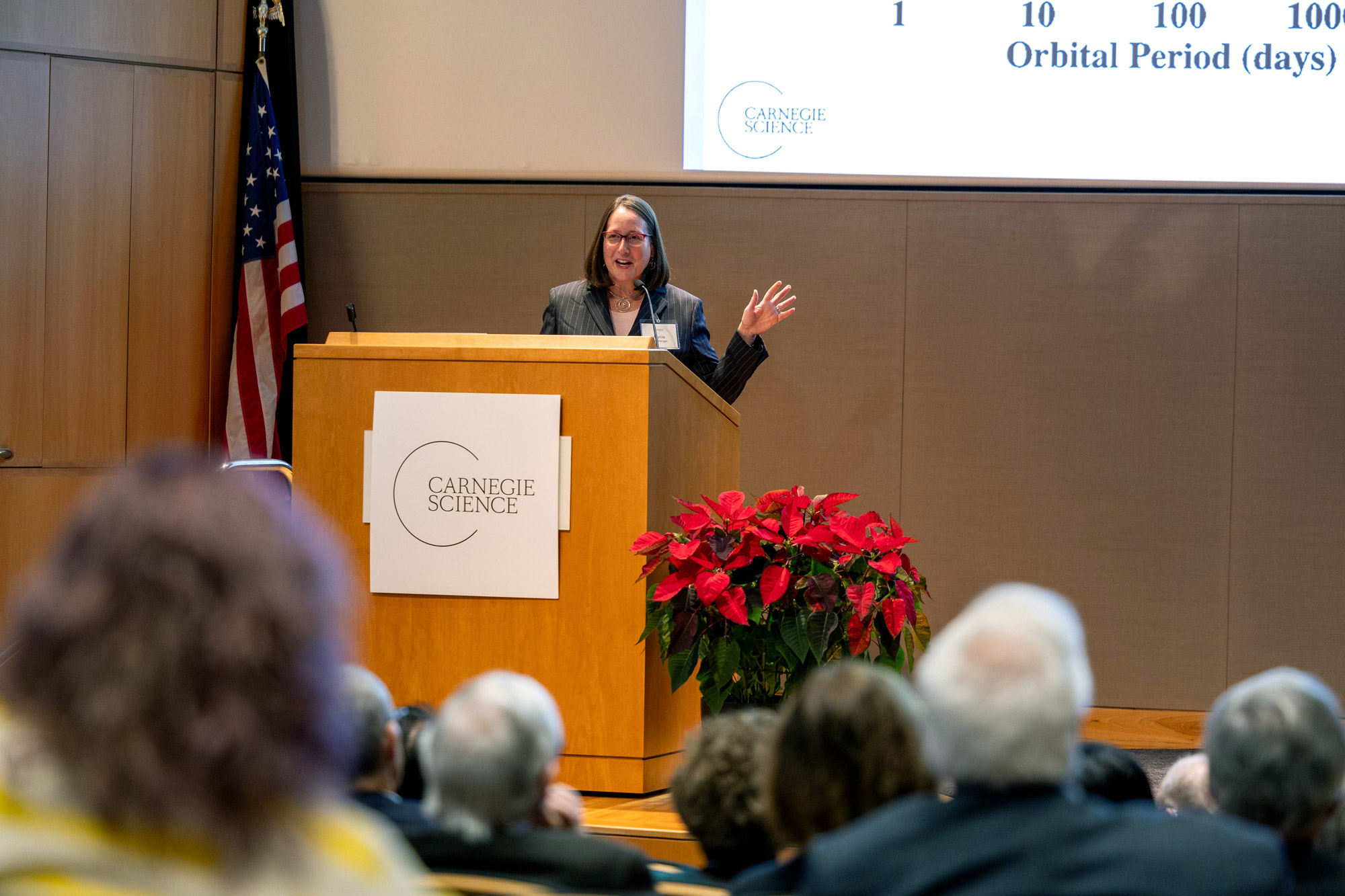
Alycia Weinberger
But her reach extended far beyond the stars. Singer was a molecular biology trailblazer who helped define the field, advancing our understanding of the nucleic acids that form the backbone of genetic material. She was also a key organizer of the landmark Asilomar Conference on recombinant DNA—an event that set the global standard for research ethics.
“She was a primary model to the world of why science is done—and how it should serve society.”
— Rush Holt, former chief executive officer of the American Association for the Advancement of Science and Carnegie Science Trustee Emeritus
Equally inspiring was her work in education. Singer helped launch initiatives like the Carnegie Academy for Science Education and Math for America, opening doors for generations of students and teachers who might never have seen science as a path for them.
Singer’s scientific legacy is profound. But just as enduring is the human legacy she left behind—one defined by courage, clarity, and an unwavering belief in the potential of others.
“We weren’t just individuals, we were a team, and Maxine was our coach.”
— Derrick Simmons, Math for America alumnus and teacher, McKinley Technology High School
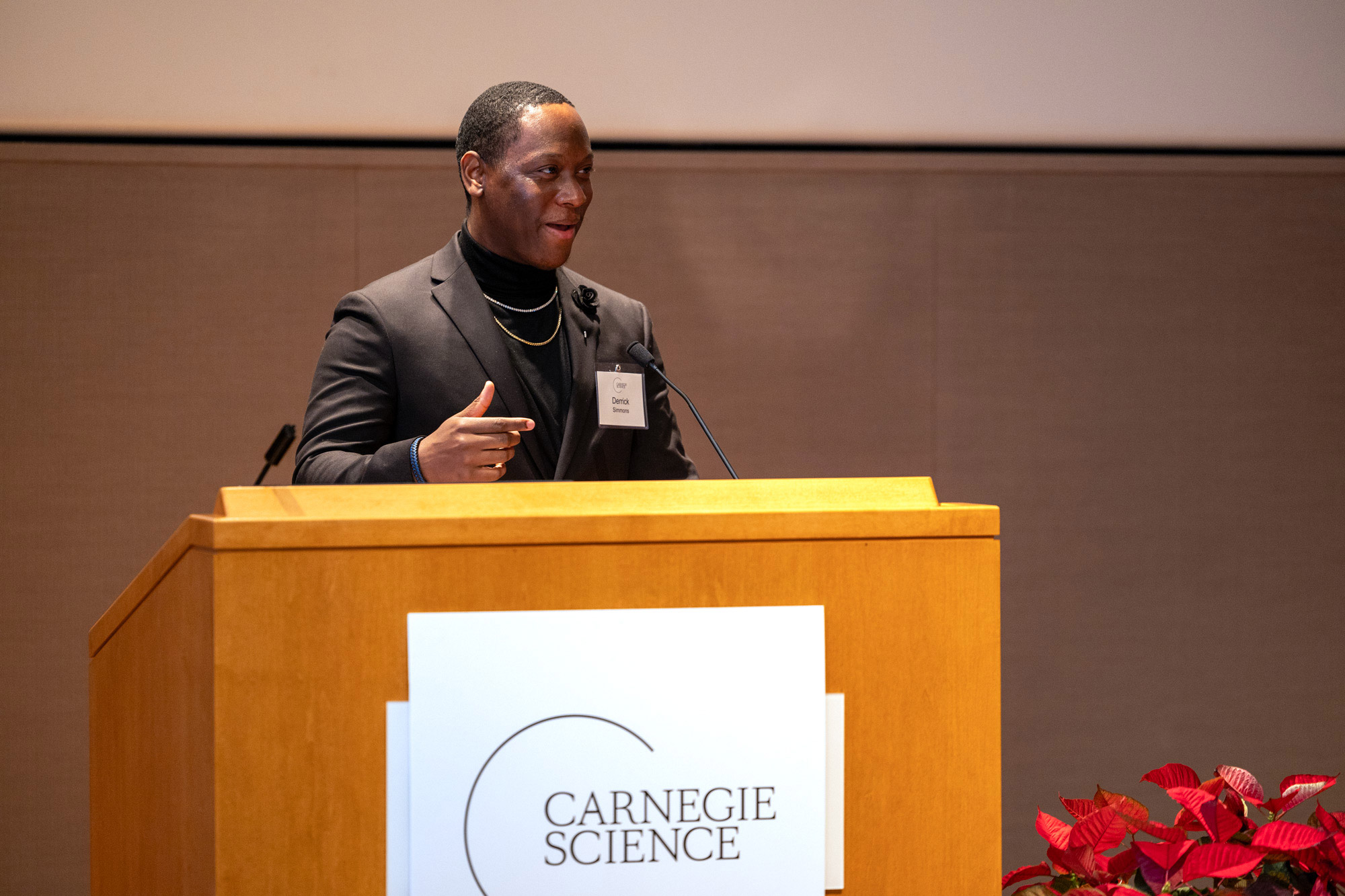
Dereck Simmons
Remembering Joseph Gall
On March 1, 2025, friends, family, colleagues, and mentees gathered to remember the “father of modern cell biology” Joseph Gall, who spent more than four decades advancing molecular biology from Carnegie’s campus in Baltimore.
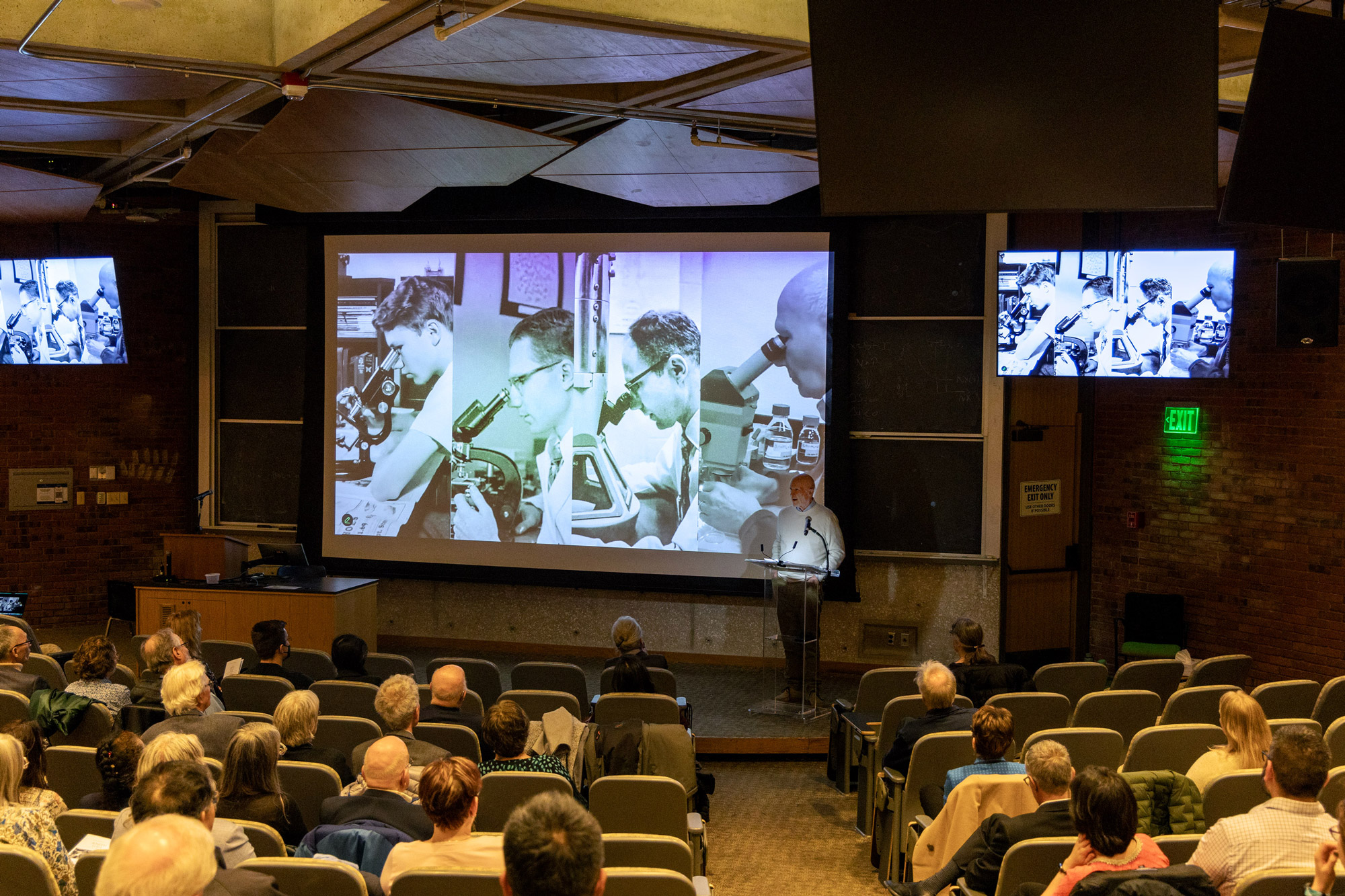
Steve McKnight, Distinguished Chair in Basic Biomedical Research, UT Southwestern, speaks at the Joseph Gall memorial symposium
Gall revolutionized our understanding of chromosome organization. He and mentee Mary Lou Pardue developed a technique called in situ hybridization, which allows researchers to map the locations of genes on a chromosome. This was among the first tools for connecting individual nucleic acid sequences with the genome as a whole.
“For more than 40 years he continued working at the bench and thrilling biologists with his new discoveries and insights. … For many of us, myself included, Joe Gall epitomized the scientist that we wanted to be.”
— Allan Spradling, Director Emeritus, Carnegie Science Department of Embryology and Howard Hughes Medical Institute Investigator.
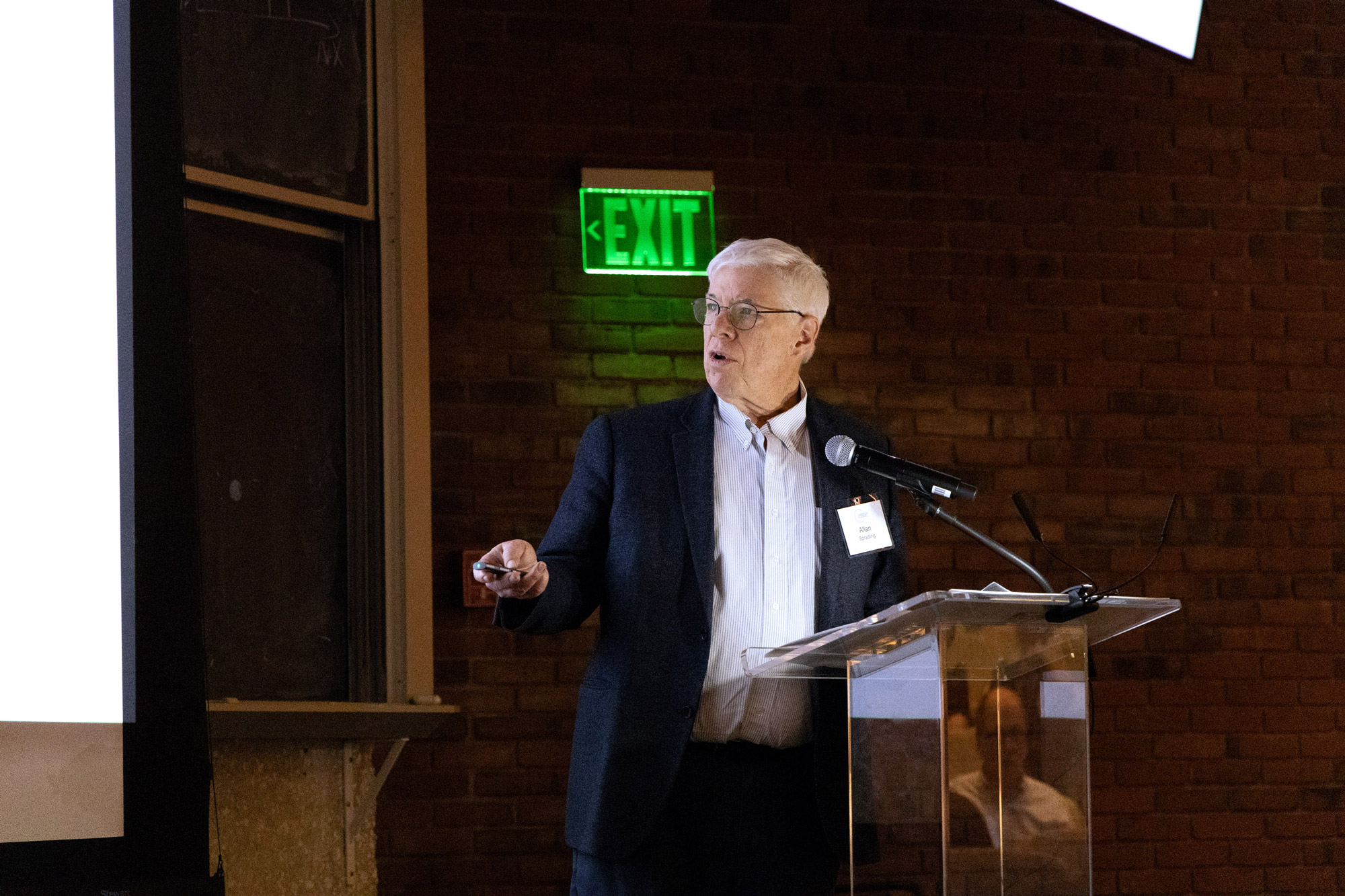
Allan Spradling
Later, Gall’s work with mentee Elizabeth Blackburn revealed the structure of telomeres, a repetitive segment of DNA at the end of each chromosome that protects the genetic material from damage and ensures it is fully copied before cell division.
Throughout his career, Gall continued to advance our understanding of activities in the nucleus with research about many aspects of genome transcription and processing. His success was underpinned by his lifelong curiosity and his deep knowledge of invertebrate biology—an expertise that began with his teenaged adventures in microscopy and continued into his final years.
“Joe had an extraordinary number of different organisms in his lab. As a naturalist he knew their many properties and so he could always select the best organism to suit the biological question at hand.”
— Susan Gerbi, George D. Eggleston Professor Emerita of Biochemistry, Professor of Molecular Biology, Cell Biology and Biochemistry, Brown University
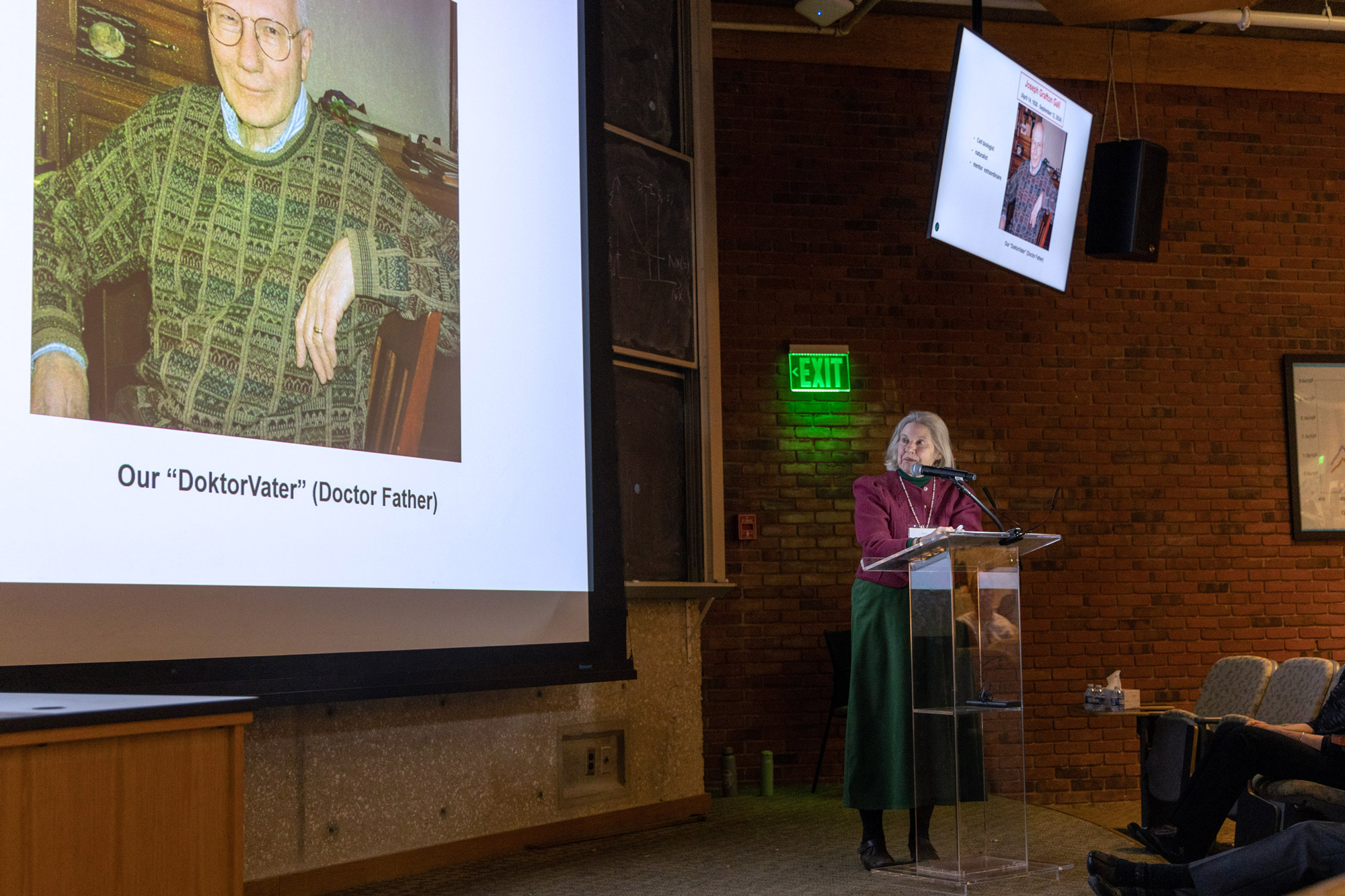
Susan Gerbi
Gall stood out from many of his peers in the 1960s and 1970s for mentoring and championing women. His lab was recognized as one of the few places where burgeoning women biologists could get serious training and not be sidelined by male peers. Several of his former students and postdocs have gone on to acclaim of their own.
“I wouldn’t be here if it hadn’t been for Joe Gall accepting me into his lab that first summer and then somehow orchestrating my switching from medical school into a graduate program and I shall be eternally grateful. … What I owe to Joe is an entire lifetime in science.”
— Joan Steitz, Sterling Professor of Molecular Biophysics and Biochemistry, Yale School of Medicine.
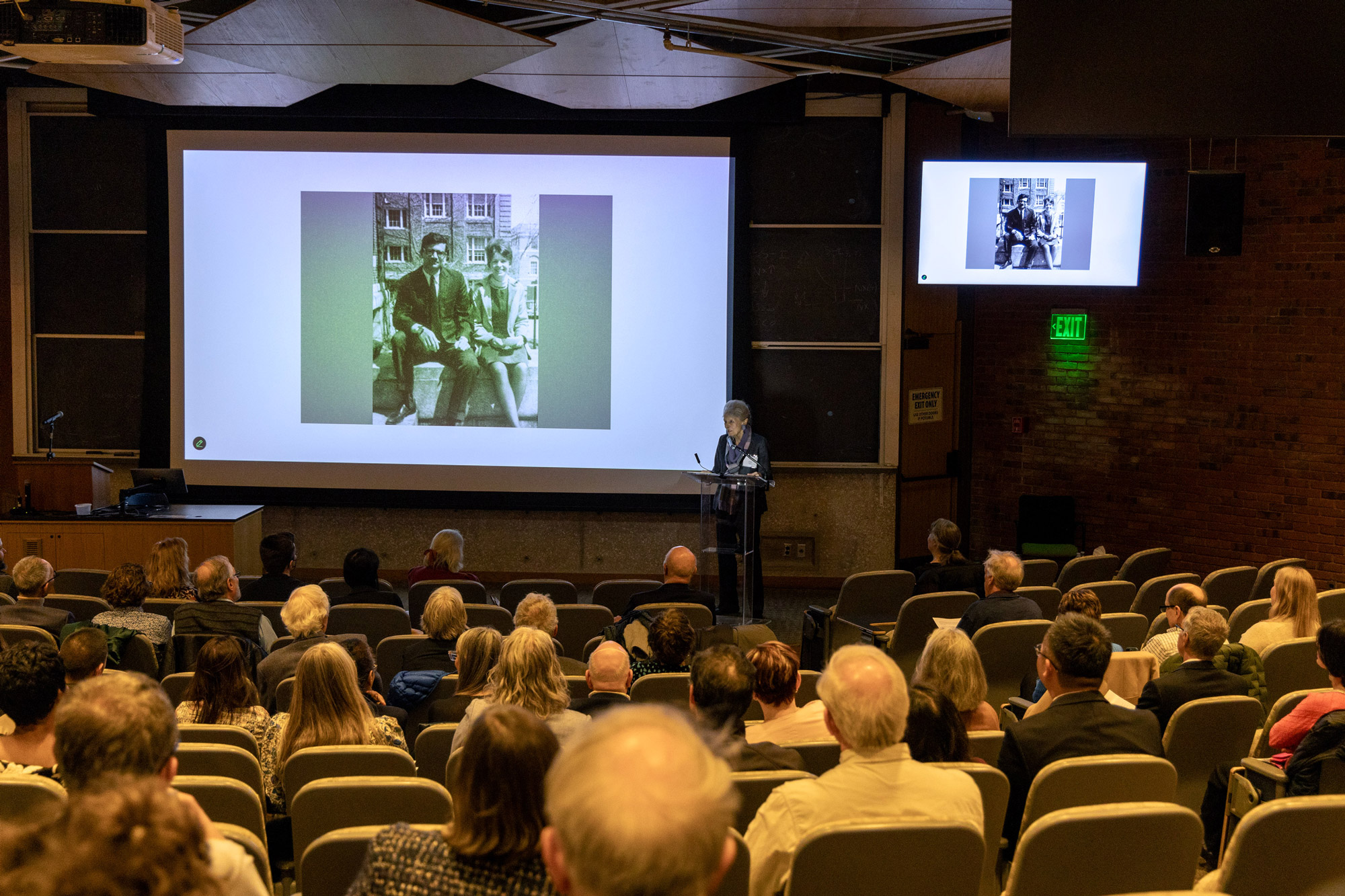
Joan Steitz
Gallery: Maxine Singer symposium


David Singer
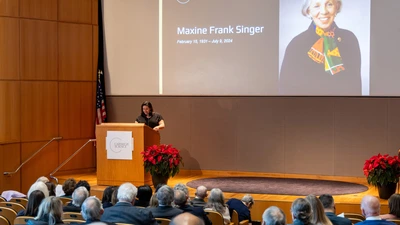
Luna Frank-Reese
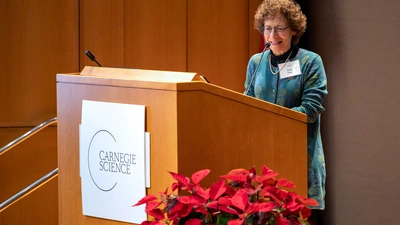
Amy Singer
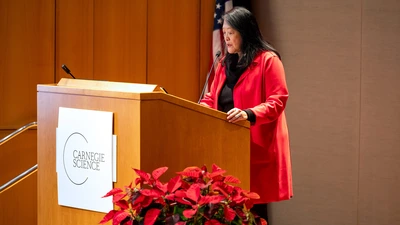
Amy Cheng Vollmer

Marcia McNutt
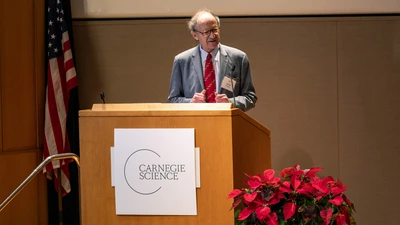
Harold Varmus

Mary-Claire King
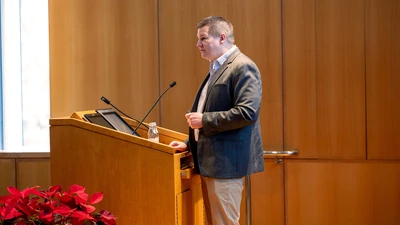
Jason Crawford
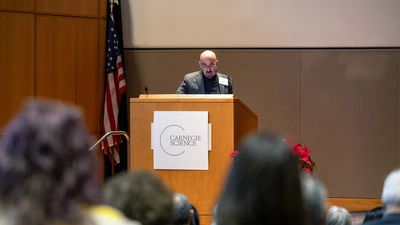
David Spergel
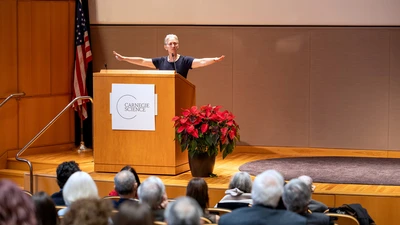
Stephanie Frank Singer

Wendy Freedman
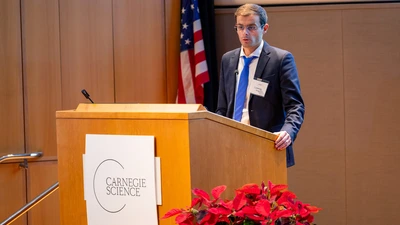
Lorenzo Rosa
Gallery: Joseph Gall symposium


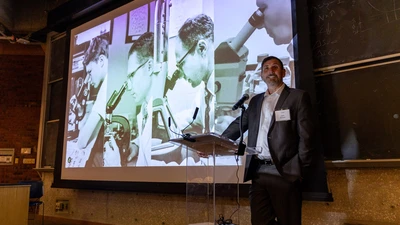
John Mulchaey
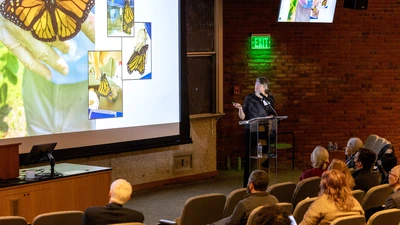
Diane Dwyer

Barbara Eidel

Joel Rosenbaum
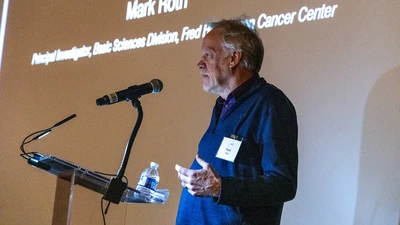
Mark Roth
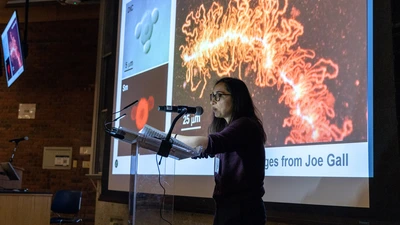
Zehra Nizami
David Gary
