Collin Cherubim (Harvard)
Overview
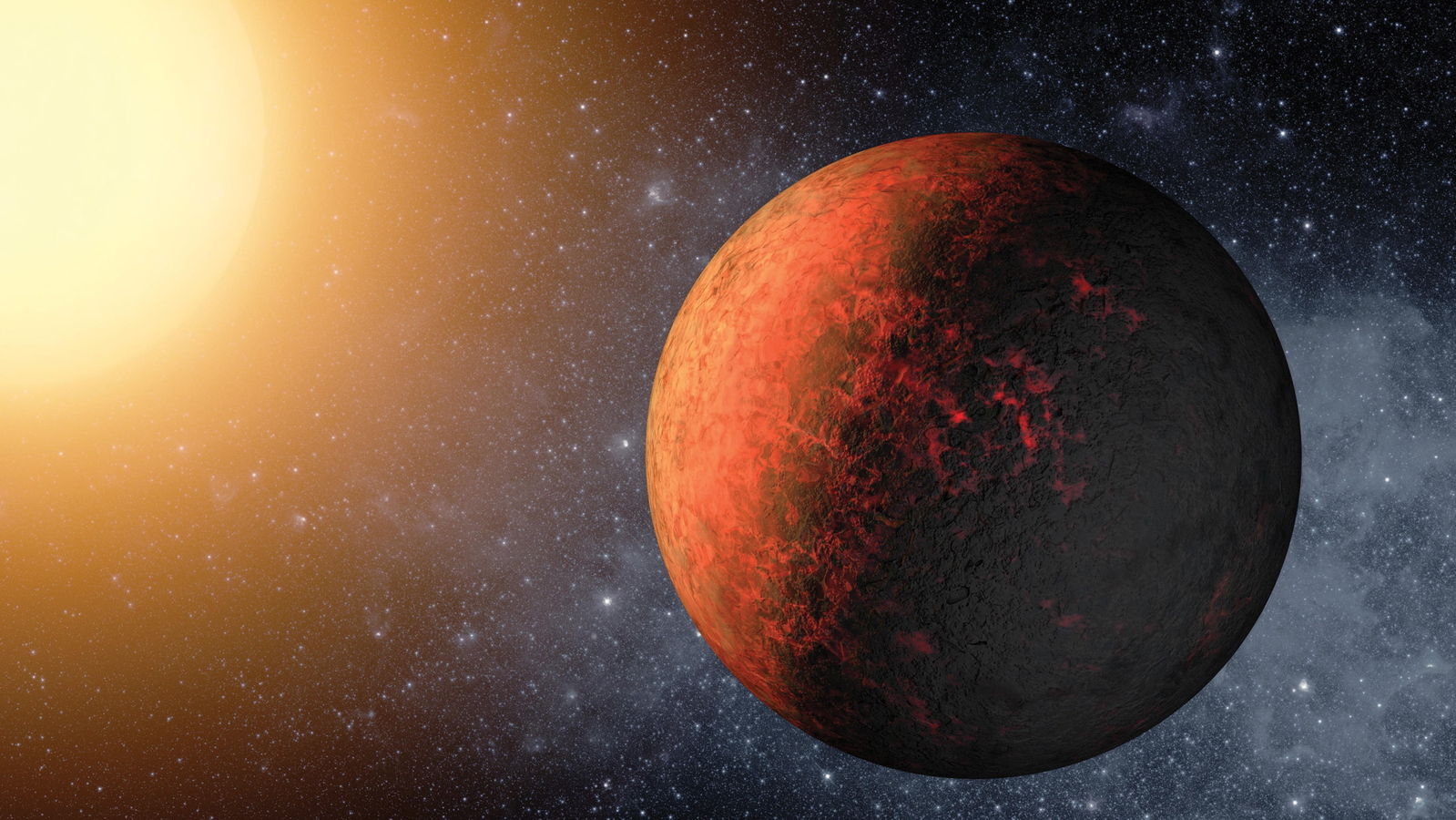
Exoplanet surveys have revealed that the most common planetary formation pathway leads to sub-Neptunes: planets larger than Earth and smaller than Neptune. The compositions of sub-Neptunes remains poorly understood. I developed a planetary evolution model, IsoFATE, which simulates volatile exchange between an escaping atmosphere and an evolving molten interior. I present recent results that show an oxidation gradient resulting from atmospheric mass fractionation, with planetary atmospheres/interiors growing increasingly oxidized with decreasing radius and orbital separation. The model predicts large populations of helium-dominated and molecular oxygen-dominated atmospheres on either side of the oxidation gradient. IsoFATE predicted helium enrichment in the atmosphere of a terrestrial planet orbiting in the nearest liquid-water habitable zone of a quiet M star. I present data that I collected to test this hypothesis, revealing the first atmosphere on a temperate, terrestrial exoplanet and the first candidate helium world. Finally, I discuss ways in which the model predictions can be further tested in future observational surveys.