Prof. Wenbin Lu (UC Berkeley)
Overview
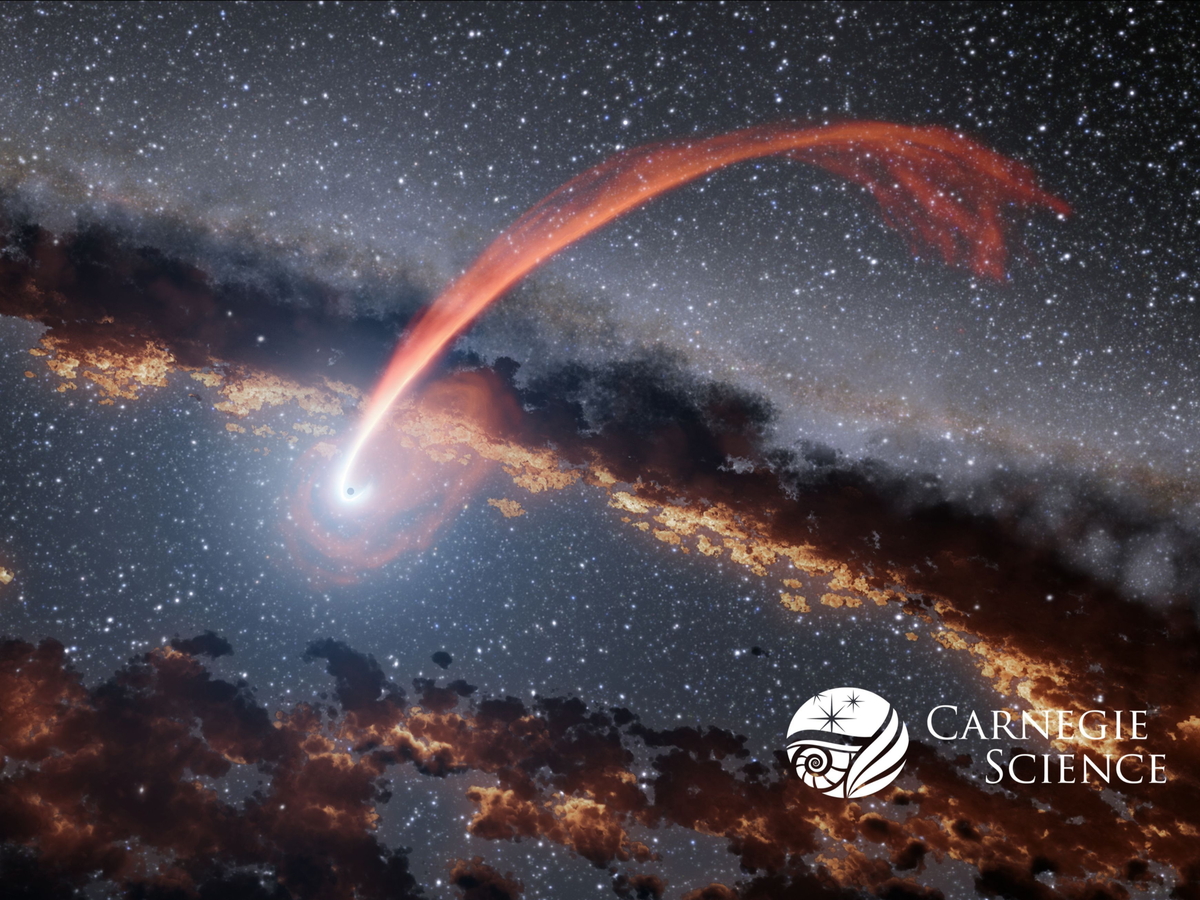
Micro-tidal disruption events (micro-TDEs) occur when a star is tidally disrupted by a stellar-mass compact object such as a neutron star or black hole. These events can arise in a variety of environments where stellar dynamics produce close encounters between compact objects and ordinary stars, including dense stellar clusters and unstable binary, triple, or higher-order stellar systems. Recent estimates suggest that micro-TDEs may occur at roughly 10^-4 to 10^-3 times the core-collapse supernova rate, raising the question of how we can observationally identify them. In this talk, I will first outline the basic physical picture of micro-TDEs and discuss their generic observational signatures, powered by accretion-driven disk winds and possibly relativistic jets. I will then present a particularly striking scenario in which a micro-TDE occurs shortly after a stripped-envelope supernova, triggered by a fortuitous natal kick that sends the newly born compact object through its stellar companion. In this case, the disk wind or jet interacts with the expanding supernova ejecta, potentially producing some of the most luminous transients in the universe, including superluminous supernovae and fast blue optical transients.