Using theory and mathematical modeling, she brings order to microbial chaos, searching for patterns that can explain the biogeochemistry of the ocean and its connection to the climate system above.
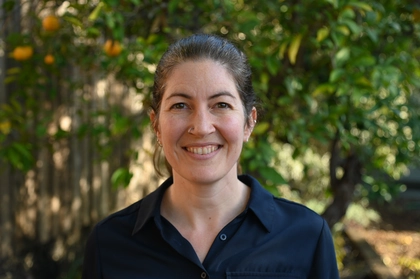
In 2024, the Simons Foundation recognized Staff Associate Emily Zakem’s bold vision and exceptional promise, naming her one of just five recipients of the Early Career Investigators in Aquatic Microbial Ecology and Evolution award. This prestigious three-year grant is supporting her trailblazing efforts to unravel how marine microbes influence the global nitrogen cycle and adapt to the growing threat of low-oxygen “dead zones.”
Her approach is equal parts science and vision. Zakem uses theory and mathematical models to build connections between microbial ecosystems, the biogeochemistry of the ocean, and the climate system. Her work hypothesizes that microbial activity is sufficiently predictable to provide insight into large-scale biogeochemical features.
The exciting research Zakem will pursue with the Simons award is focused on how marine microbial communities shape the nitrogen cycle and can contribute to and thrive in dangerous low-oxygen dead zones. Although bacterial species that don’t require oxygen experience explosive growth in these environments, fish and other marine organisms are unable to survive. These regions are believed to be expanding due to climate change, a major concern for fisheries.
Zakem is part of Carnegie’s prestigious Staff Associate program, which was designed to empower outstanding early career scientists, enabling them to pursue the kind of bold, creative research laid out in our founding mission. Her work reflects the very spirit of Carnegie Science—asking daring questions and crafting innovative methods to pursue them.
The Early Career Investigators in Aquatic Microbial Ecology and Evolution grants will be funded by the Simons Foundation and Simons Foundation International and administered by the Simons Foundation.