Object 17 | Las Campanas Field Photographs

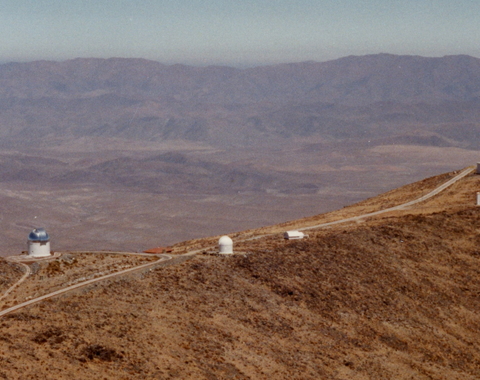
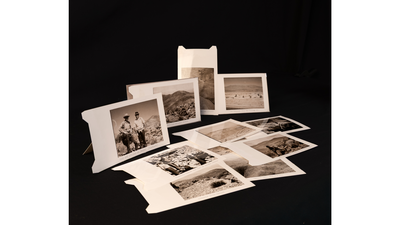
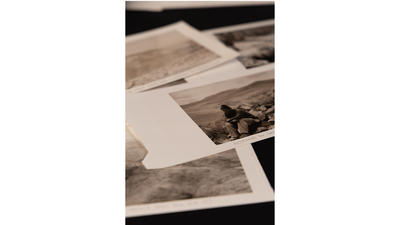
Rolling desert ridgelines. A rocky summit rising above the Atacama Desert. Two men standing among scrub vegetation on a sloped terrain. These scenes, captured in field photographs taken in the Andean foothills overlooking Chile's high Atacama Desert in November 1968, mark the very beginning of a new chapter in Carnegie Science's history. Mounted and labeled with simple typewritten captions—"Buck and Adkison on Manqui (11-10-68)," "Ridge from Las Campanas Summit," and "Ridge from Manquis"—the black-and-white prints document the rugged landscape that would soon become Las Campanas Observatory. Together they comprise Object 17 in our #Carnegie125 series.


Photographs
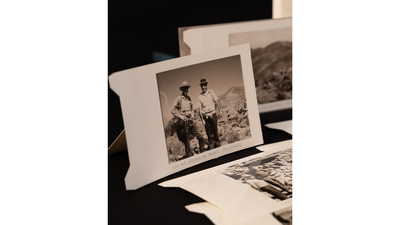
Buck and Adkison on Mnaqui (11-10-68)
Photographs
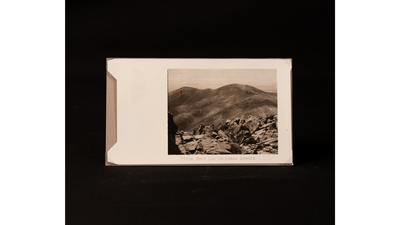
Ridge from Las Campanas Summit
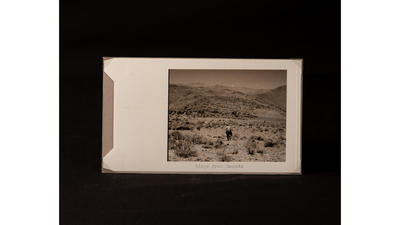
Ridge from Manquis
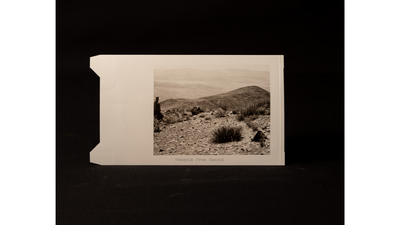
Manquis from Manqui
Carnegie Science had long been a leader in astronomy at its Mount Wilson Observatory, and by the early 1960s it had set its sights on a new observatory in the Southern Hemisphere, whose skies held celestial treasures unseen from the north. The institution had spent much of the 1960s searching for the ideal location for a southern observatory, and in 1966 astronomers identified Las Campanas as a promising peak, with its remote location, high elevation, and remarkably clear, dry atmosphere. Over the next two years, the site consistently demonstrated the extraordinary observing conditions that have since made the Atacama Desert the world's premier destination for astronomy.
The 1968 photographs were taken during one of the final evaluation trips before Carnegie made its final selection of the site. They show members of the Carnegie Southern Observatory (CARSO) project team, including Project Supervisor Donald Buck and newly appointed Associate for Administration Bruce Adkison, surveying the surrounding peaks and nearby water supplies. Soon after this visit, Carnegie Observatories Director Horace Babcock concluded that Las Campanas was the right home for the institution’s future observatory. Following a decisive meeting between Babcock and Chilean President Eduardo Frei on November 19, 1968, Carnegie secured the land from the Chilean government, finalizing the purchase of 50,000 acres in July 1969.


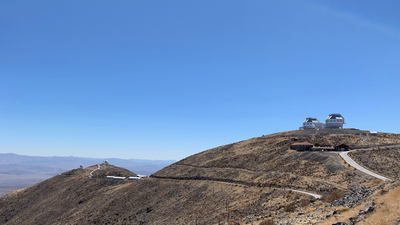
Las Campanas Observatory Landscape
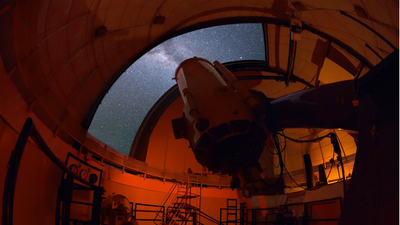
Swope Telescope
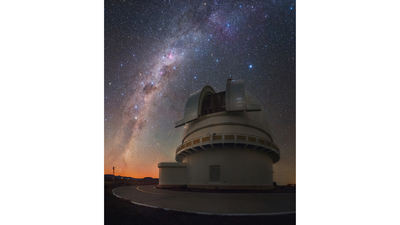
Du Pont Telescope
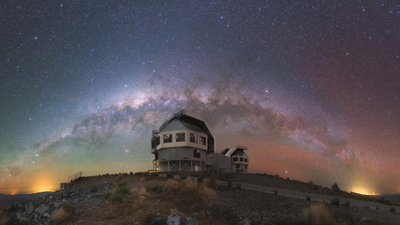
Magellan Telescopes
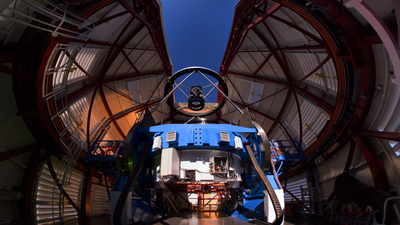
Magellan Telescope
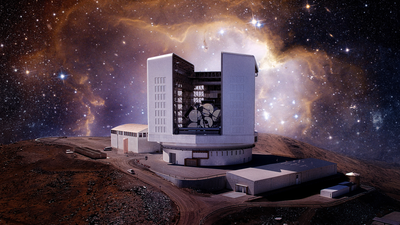
Giant Magellan Telescope
Construction moved quickly after that, and by 1971 Carnegie's first telescope, a 1-meter facility later named after Henrietta Swope, rose from the rocky ground that Buck and Adkison had photographed less than three years before. The decision to build at Las Campanas has been amply vindicated in the half-century since. The Atacama Desert's exceptionally dark, dry skies have established the observatory as one of the world's premier sites for astronomical research, and Carnegie has continued to expand its capabilities there: the 2.5-meter du Pont telescope saw first light in 1977, the twin 6.5-meter Magellan telescopes came online in 2000 and 2002 on Manqui peak, and the Local Volume Mapper began operating in 2023. The Giant Magellan Telescope, now under construction, will be the observatory's most powerful telescope yet.
Today, these black-and-white field photographs offer a rare glimpse into the final chapter of Carnegie's search for the perfect southern observatory site, capturing the landscape just before it was transformed into one of the world's leading centers for astronomical discovery.
To learn more about the founding of Las Campanas Observatory, read the full story: "The History of Las Campanas Observatory”