Object 25 | The Plate Vault Door

When George Ellery Hale established the Carnegie Science Observatories in Pasadena with funding from our founder Andrew Carnegie, he wanted to make sure the data taken by our astronomers would be preserved and available to the research community.
In the early 1900s, data protection meant fire safety. So the Observatories’ plate vault was built in the basement of the historic 1912 office building designed by celebrated Pasadena architect Myron Hunt with a multi-layer safe that would keep flames from the precious astronomical glass plates stored within.
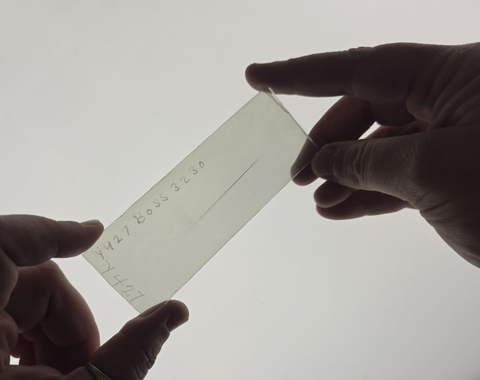
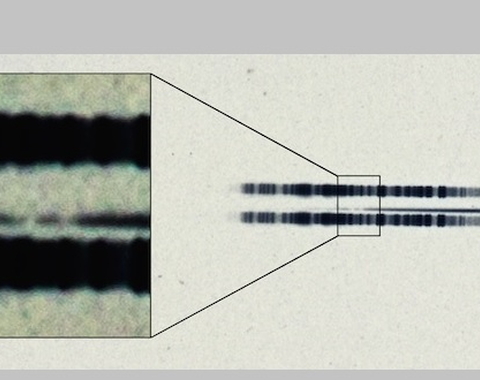
Although the collection was small at the time the facility was built, it grew to the world’s second largest, housing more than 200,000 glass plate negatives, including spectra, direct object images, and solar plates taken between 1892 and 1994 using telescopes at the Mount Wilson Observatory, Palomar Observatory, Las Campanas Observatory, and Kenwood Observatories—yet another example of Hale’s tremendous foresight.
We checked in with Observatories Librarian and Archivist Kit Whitten to learn more about the very stylish door guarding the entrance to the Plate Vault, which is the 25th object in our #Carnegie125 series.
Built by the Mosler Safe Company, the vault door relied on the same state-of-the-art technology that protects many priceless American artifacts. According to a blog on vault history by KL Security Enterprises Inc.: “Mosler products had the reputation of being some of the strongest and most secure in existence and their wealth of individual, international and government contracts indicated that people believed in that reputation.”
The Hamilton Ohio-based company was contracted to build the gold vault at Fort Knox, as well as the vault to house the U.S. Constitution, the Bill of Rights, and the Declaration of Independence at the National Archives.
A Mosler safe in Hiroshima, Japan, even survived the detonation of the nuclear bomb that leveled that city without any damage, a fact that the company used to reassure government and banking clients about the quality of its products.
Although the Mosler Safe Company went out of business in 2001, Carnegie remains confident in the protection its vault door provides to our precious historic assets, even when natural disasters like the devastating 2025 Eton Fire strike the region.
Related News