The tools of the planetary science trade

How do scientists study places they can never visit directly—deep inside Earth, inside distant rocky planets, or the ancient materials left over from the dawn of our Solar System?
At Carnegie Science’s Earth and Planets Laboratory, instruments designed to read chemical clues, recreate planetary conditions, and push tiny samples to extraordinary limits provide a passport to unreachable regions of our home planet and other worlds. Across clean chemistry labs, mass spectrometry facilities, and high-pressure experiments, these tools help researchers understand how planets form and evolve, the compositions of their interiors, and how the processes unfolding deep inside them can shape long-term habitability.
This photo essay explores that work through three EPL labs and the instruments that make it possible.
Measuring Planetary Materials
Inside Carnegie Science’s Mass Spectrometry Lab, researchers use a suite of specialized instruments to study the chemical and isotopic makeup of rocks, meteorites, and other planetary materials. From standards and sample wheels to lasers and mass spectrometers, each tool plays a distinct role in revealing how planets form, evolve, and develop the internal structures that shape their habitability.
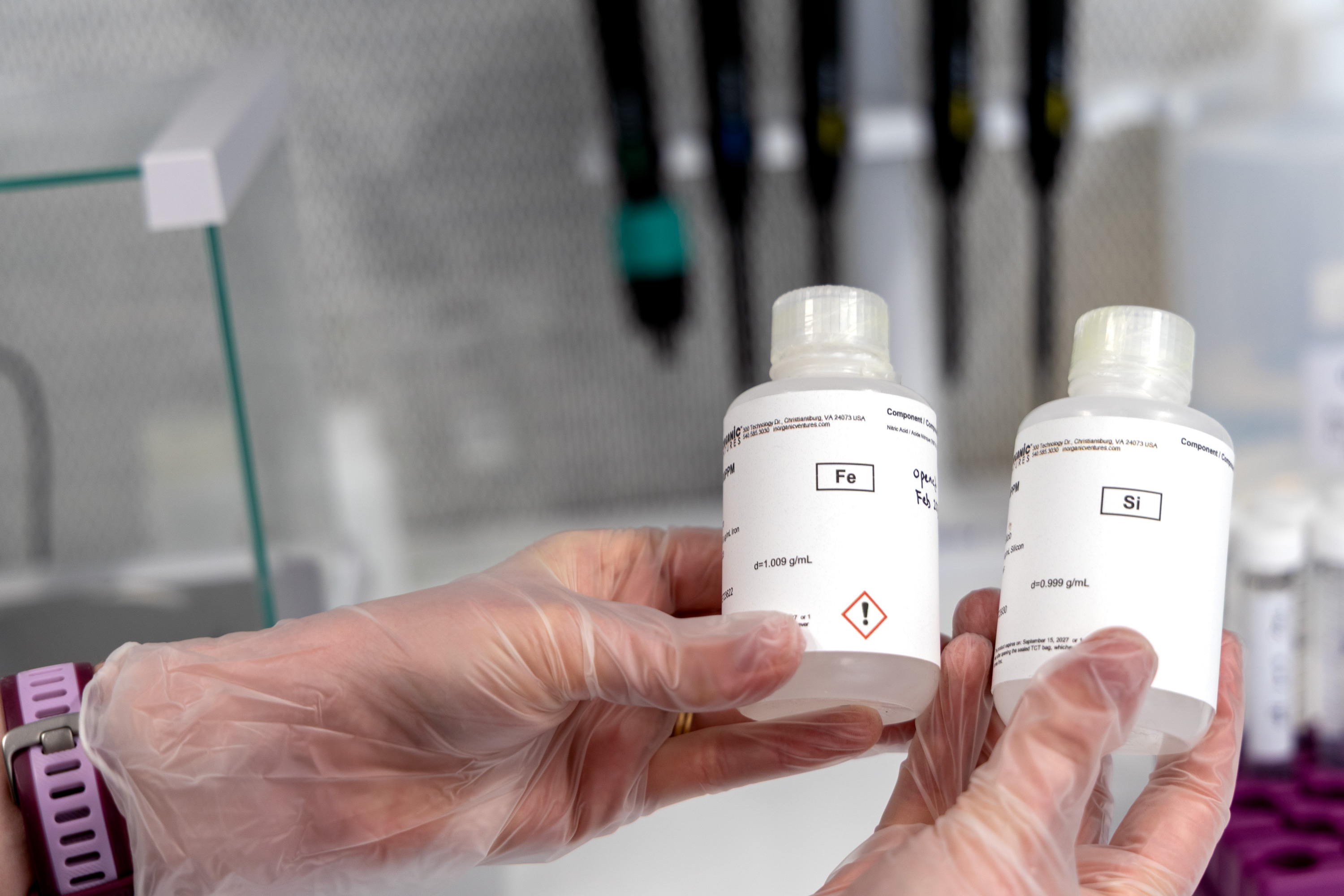
Elemental and isotopic standards
Elemental and isotopic standards serve as the lab’s reference materials, helping scientists calibrate their instruments and ensure that measurements of rock and meteorite samples are both precise and accurate. Researchers also create custom mixtures that mimic the chemistry of chondritic meteorites, allowing them to compare natural samples against carefully prepared synthetic standards before analysis begins.
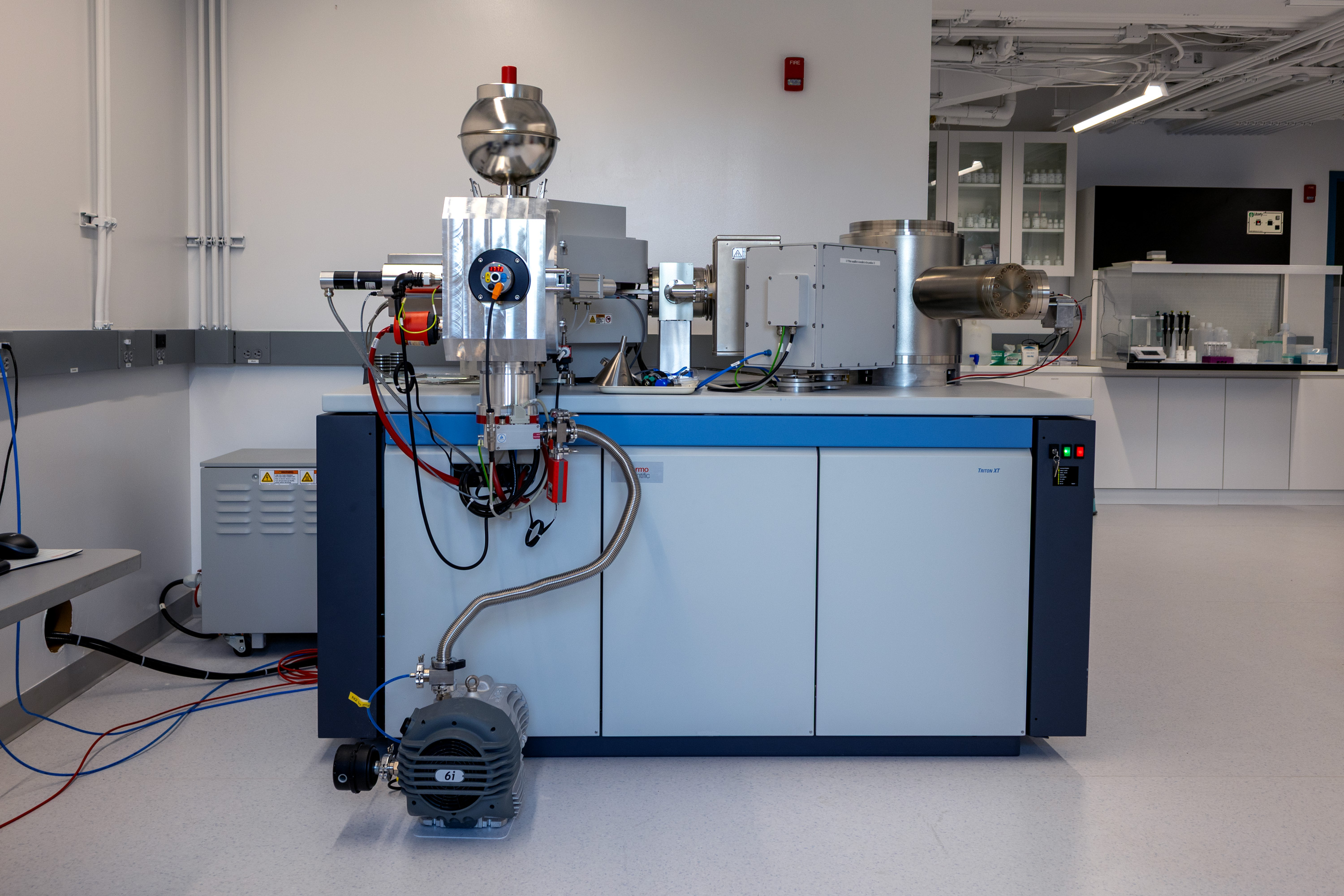
Thermal Ionization Mass Spectrometer (TIMS)
The Thermal Ionization Mass Spectrometer, or TIMS, is one of the Mass Spectrometry Lab’s highest-precision instruments. It works by heating a sample to such high temperatures that electrons are stripped away, creating ions. A magnet then bends the path of those ions according to their mass, separating them into different detectors, allowing scientists to measure subtle differences in isotopic ratios—differences that can reveal a sample’s origin and history.
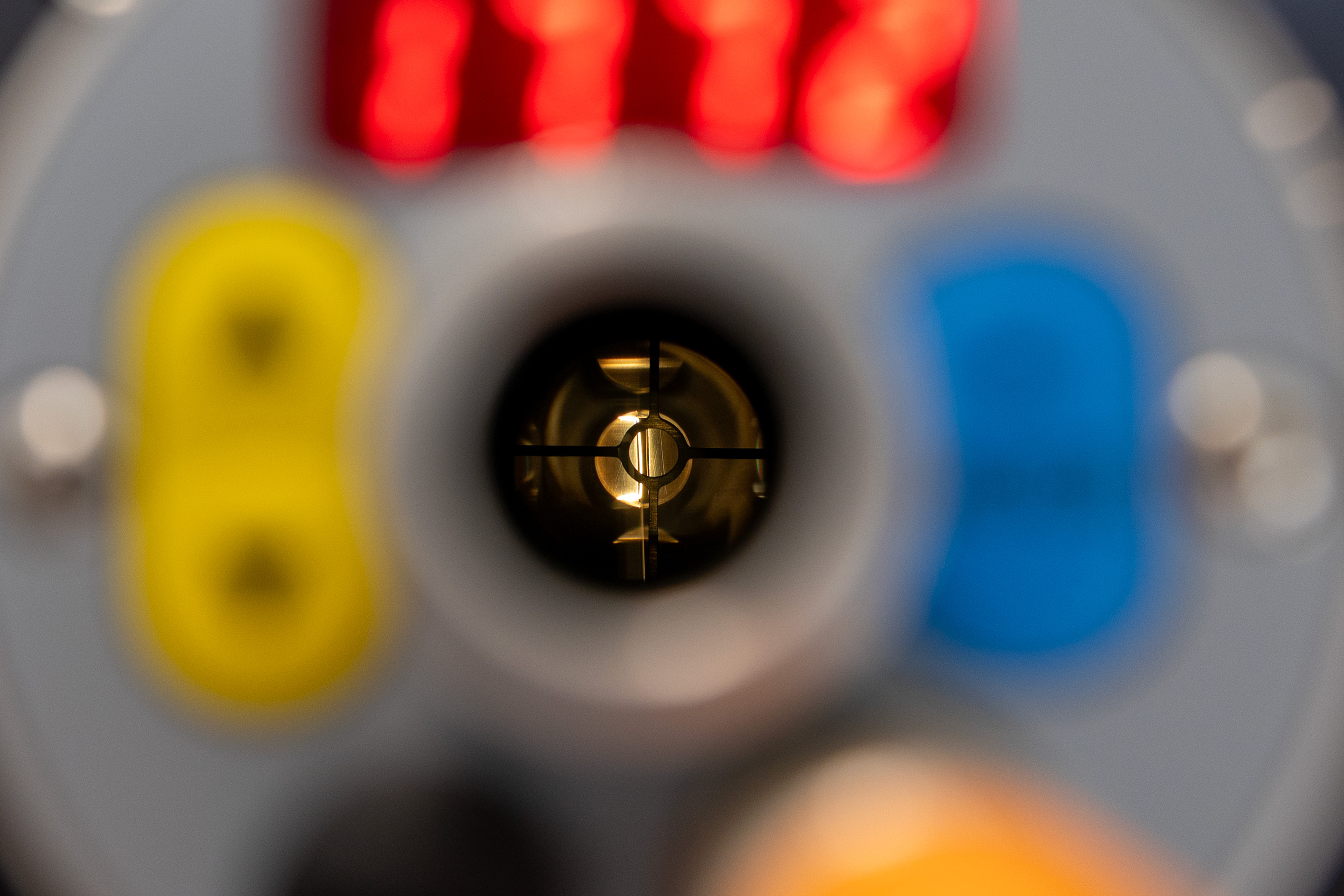
TIMS | Detail
Seen through the viewing port of the TIMS, a sample glows as it is heated to extreme temperatures—more than 1,800 degrees Celsius—until it ionizes. Unlike other instruments in the lab, TIMS relies on heat alone to create ions, a method that works for a limited set of elements but delivers exceptionally precise measurements for the materials it can analyze.
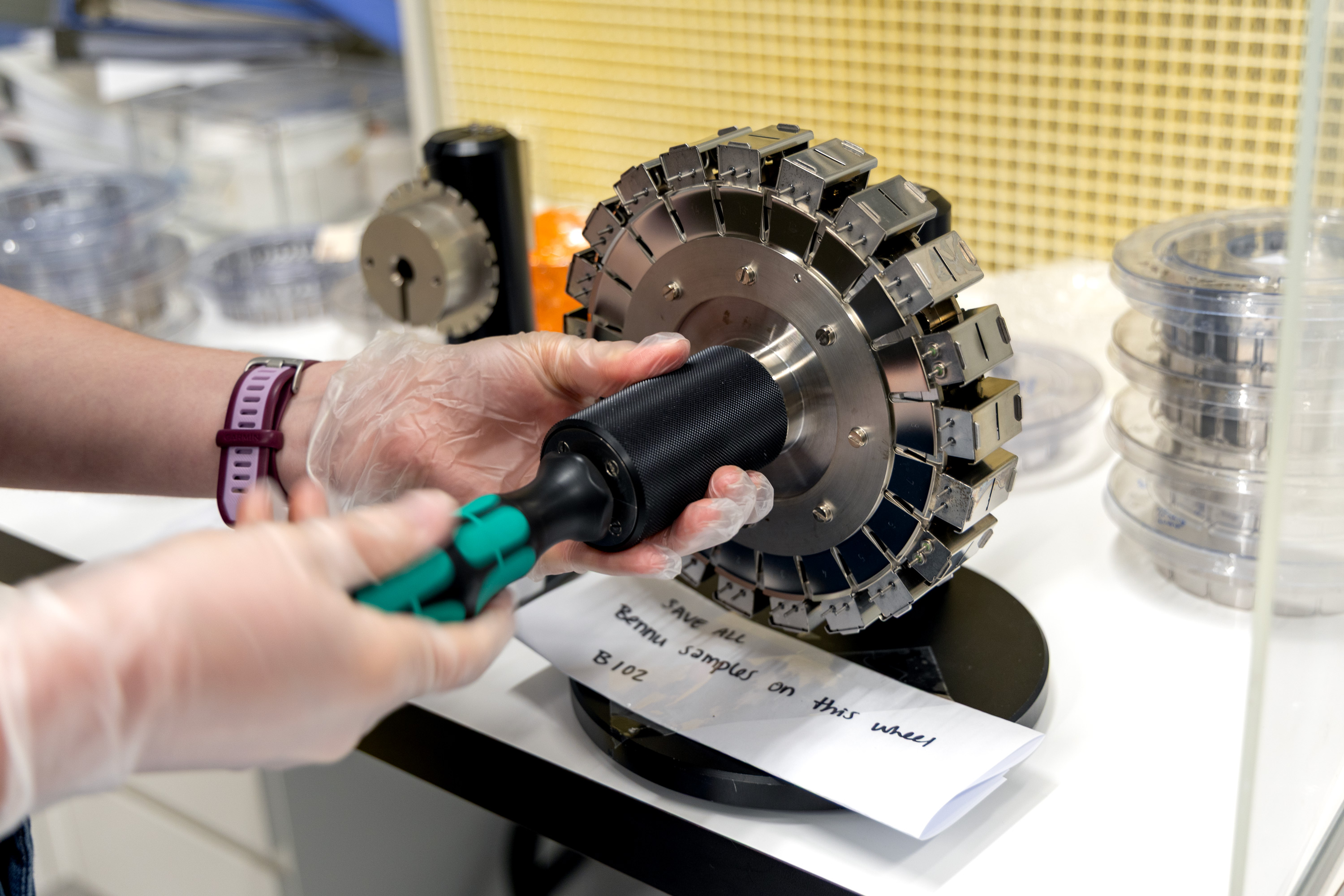
TIMS sample wheel with Bennu material
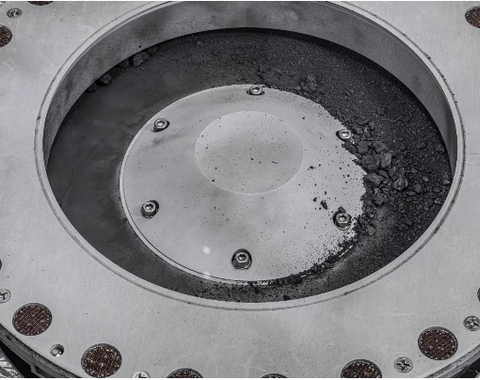
This sample wheel for the Thermal Ionization Mass Spectrometer holds tiny amounts of material dried onto metal filaments, alongside standards and comparison samples used to verify that each instance of measurement is performing as expected. This particular wheel includes samples from Bennu, the asteroid visited by NASA’s OSIRIS-REx mission—an especially precious material, since only very small amounts are available for analysis. Once loaded into the instrument, each filament is heated by an electric current until the sample glows and ionizes. Depending on the element being analyzed, a single result can take as long as 12 hours to produce.
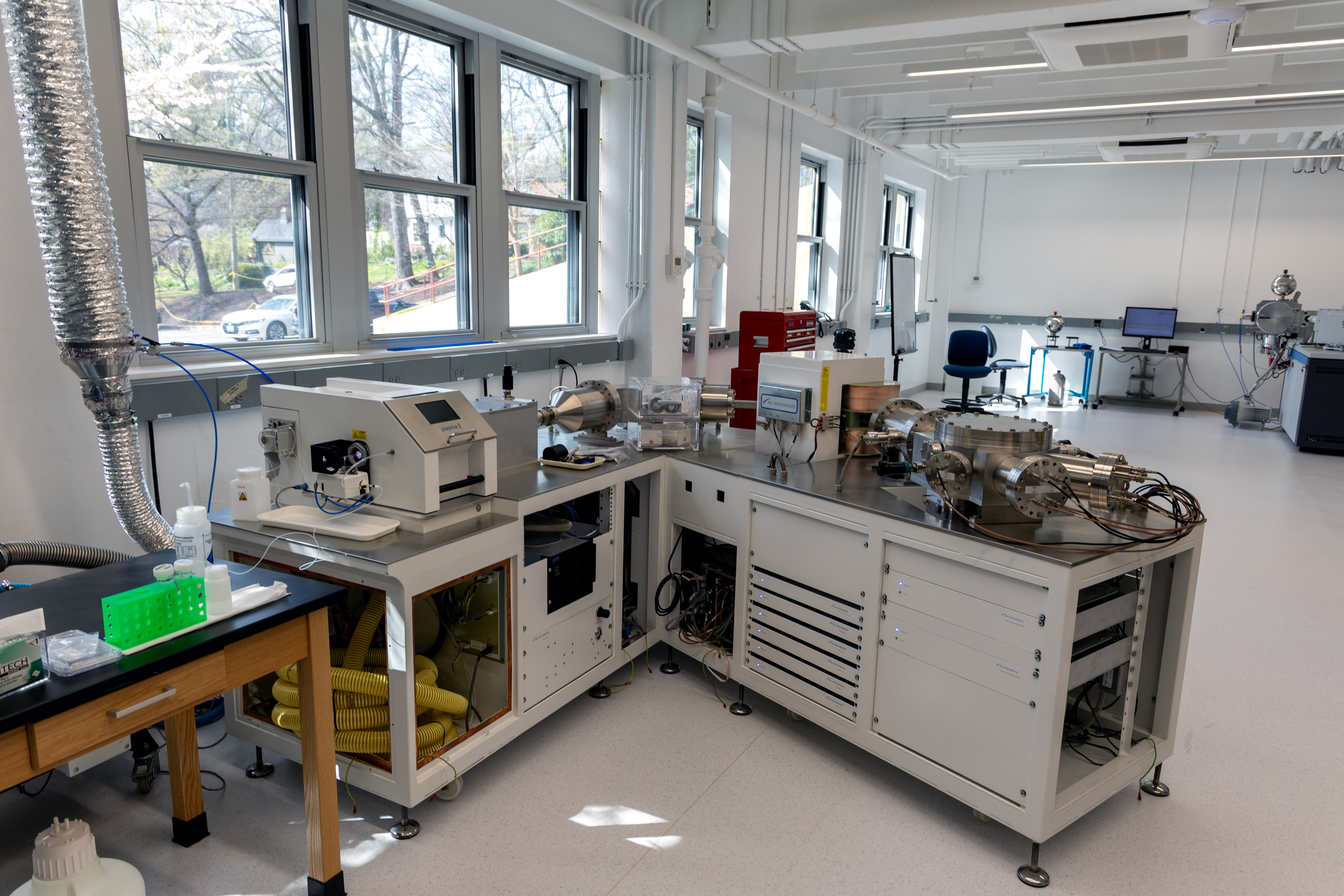
MC-ICP-MS
The lab’s multi-collector inductively coupled plasma mass spectrometer, or MC-ICP-MS, uses an ultrahot plasma source to ionize samples before separating their atoms by mass. Because the plasma can ionize a much wider range of elements than some other instruments in the lab, researchers can analyze many different kinds of materials and isotopes with it.
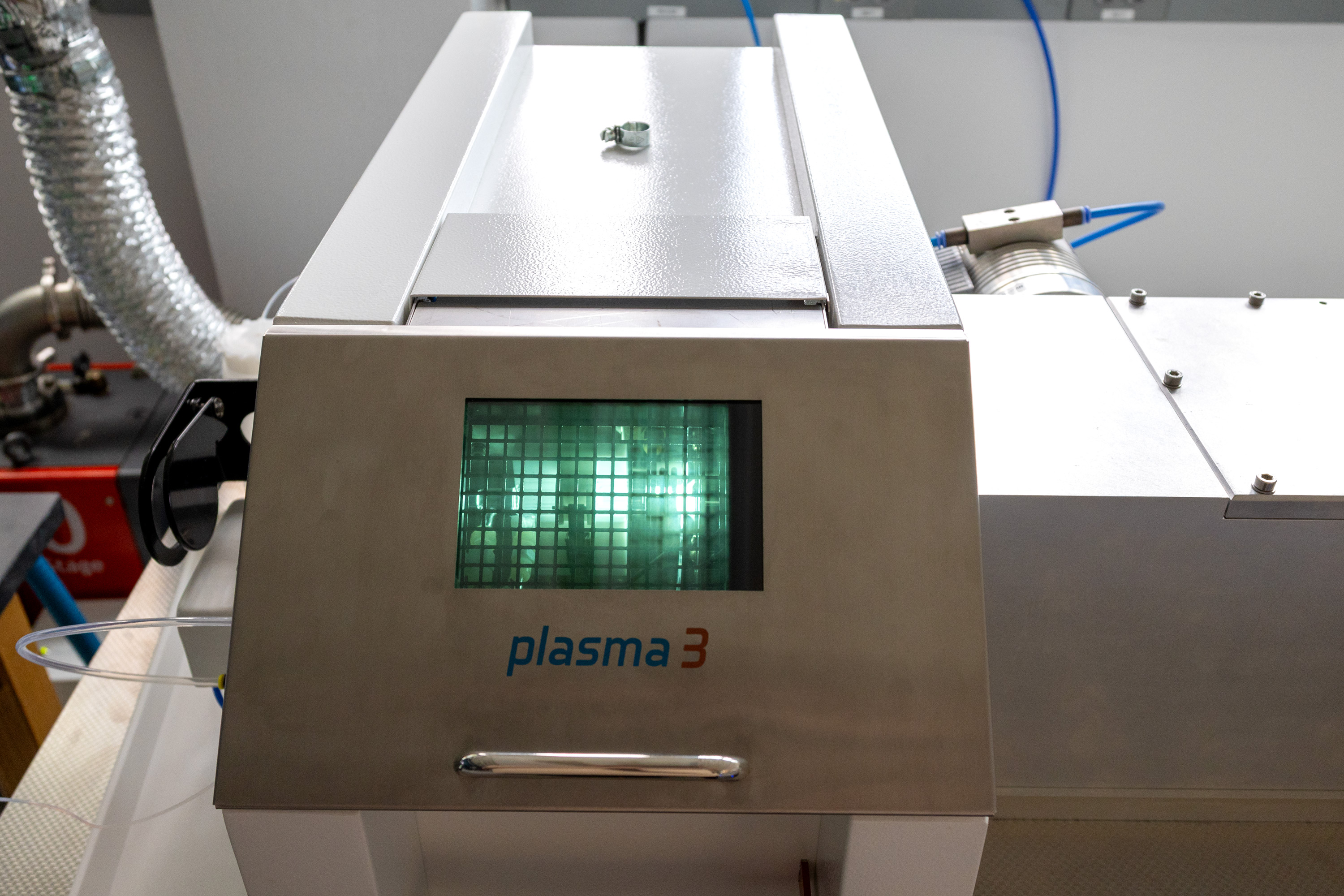
MC-ICP-MS | Plasma source detail
A glowing plasma inside the instrument heats incoming samples to extreme temperatures—comparable to the surface of the Sun—stripping away electrons and turning the material into ions. Those ions are then guided through the instrument for analysis.
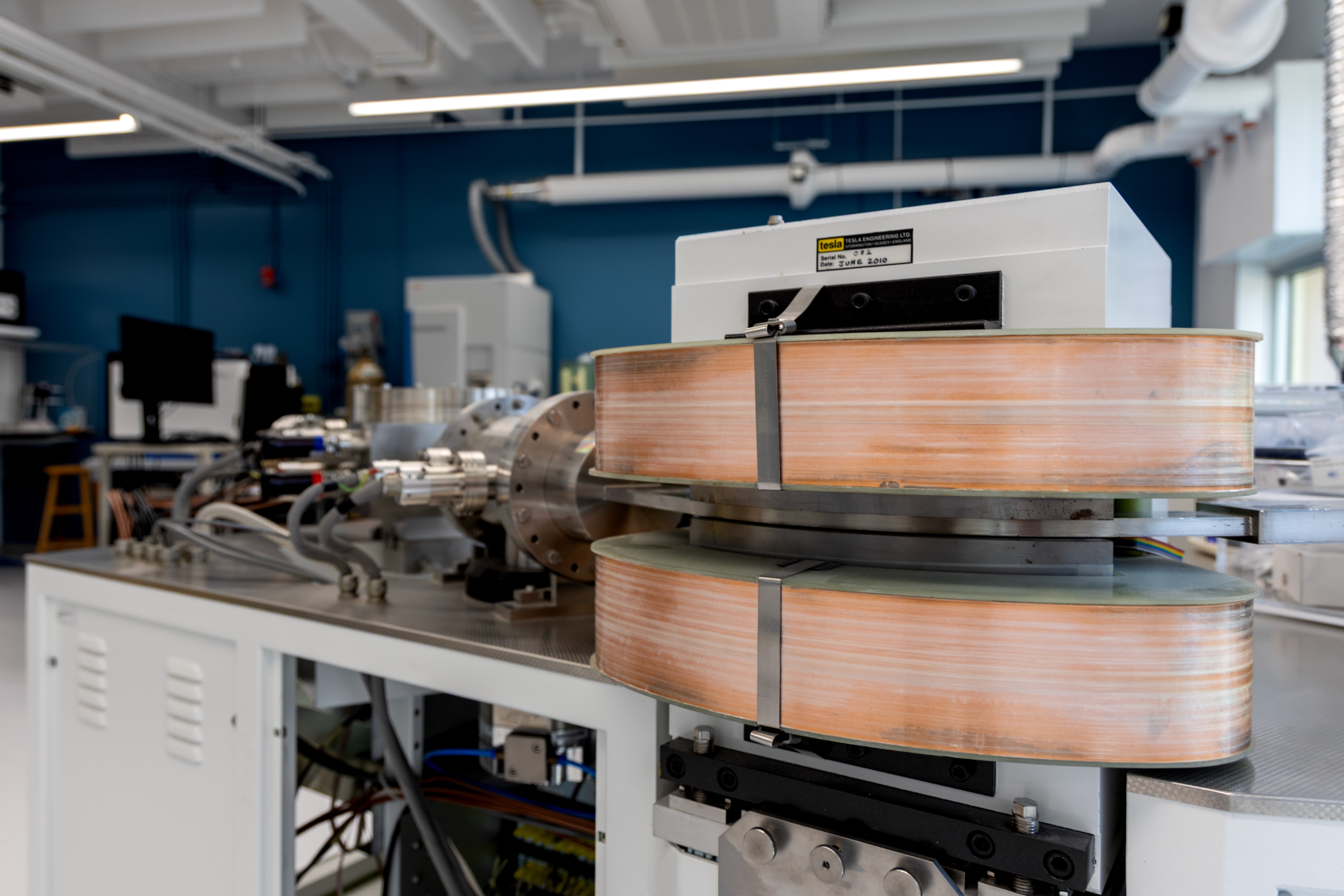
MC-ICP-MS | Magnet detail
After a sample is ionized in the plasma source, a series of lenses focuses the ion beam toward the instrument’s magnet, shown here. The magnet separates the ions by mass, allowing researchers to measure isotopic ratios that preserve clues to a sample’s formation and history.
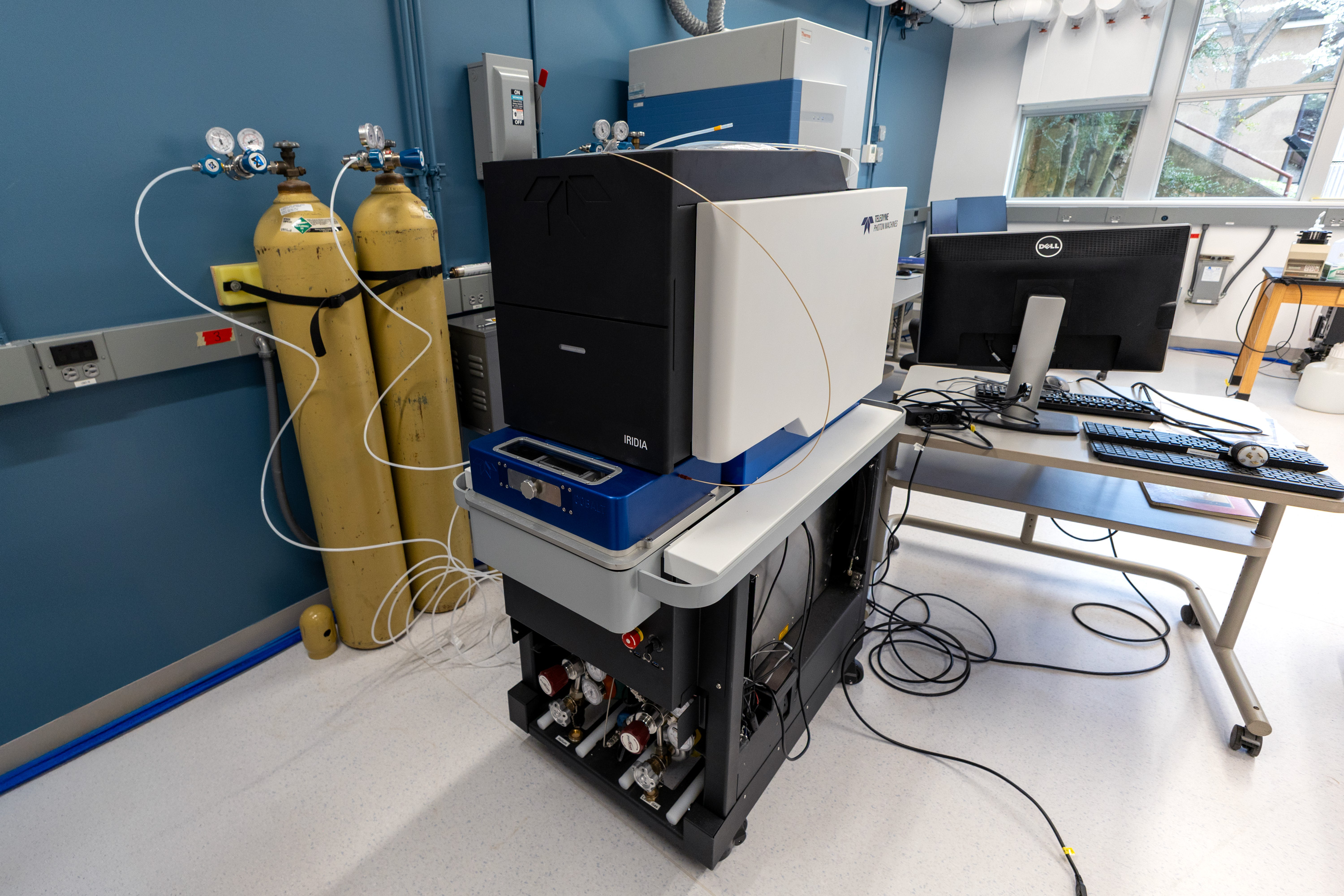
Laser ablation system
This 193-nanometer deep-ultraviolet laser allows Carnegie Science researchers to analyze solid rock and mineral samples directly, without first dissolving them in acid. Because its wavelength couples especially well with silicate minerals—the main ingredients of many rocks—it is a powerful tool for studying the trace element abundances and isotopic compositions of planetary materials.
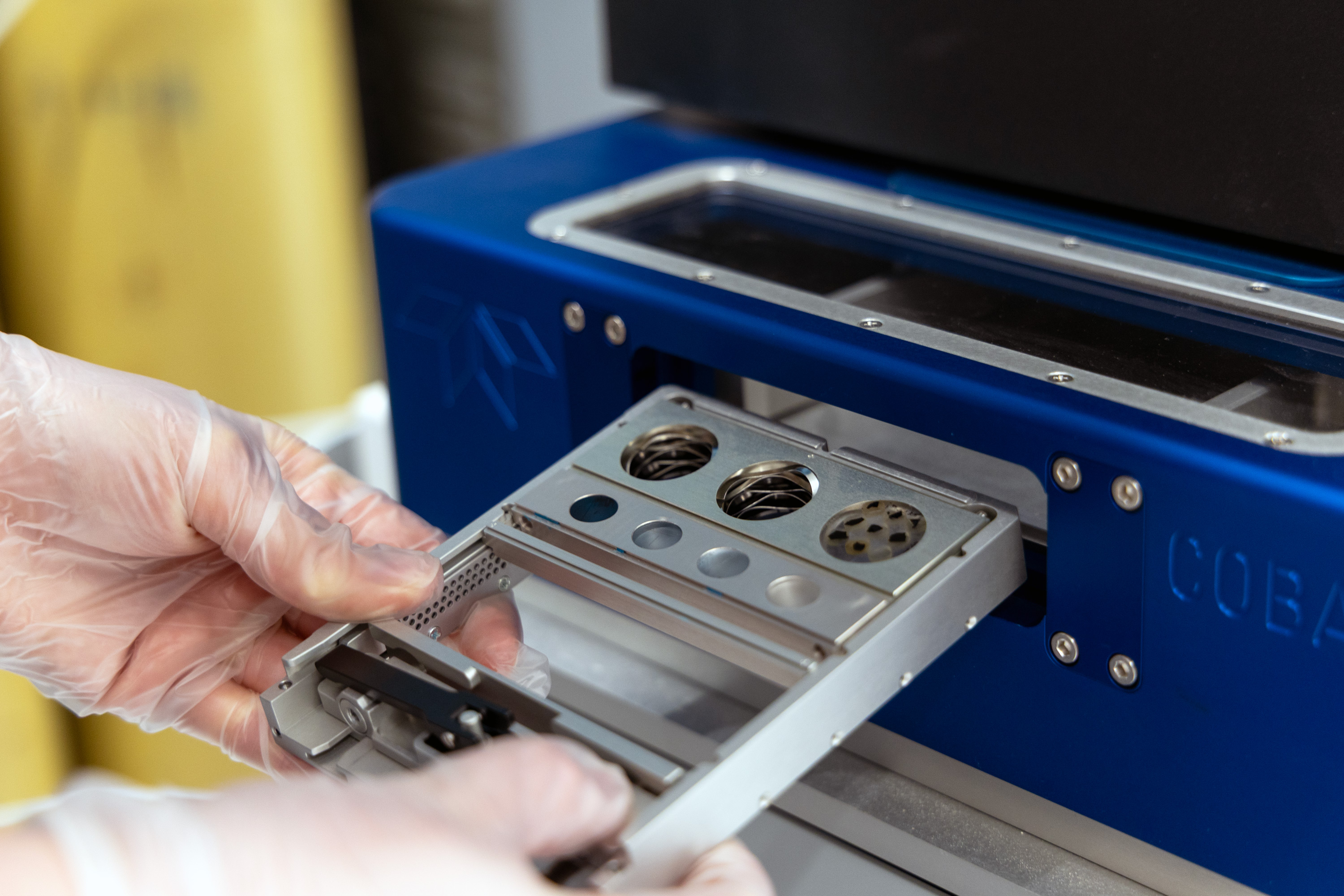
Laser ablation system | Sample chamber detail
Rock samples and standards are loaded into the laser chamber, shown here, where the instrument fires tiny pulses at carefully selected spots on the sample surface. Helium then sweeps the laser-ablated particles through tubing to a mass spectrometer for analysis.
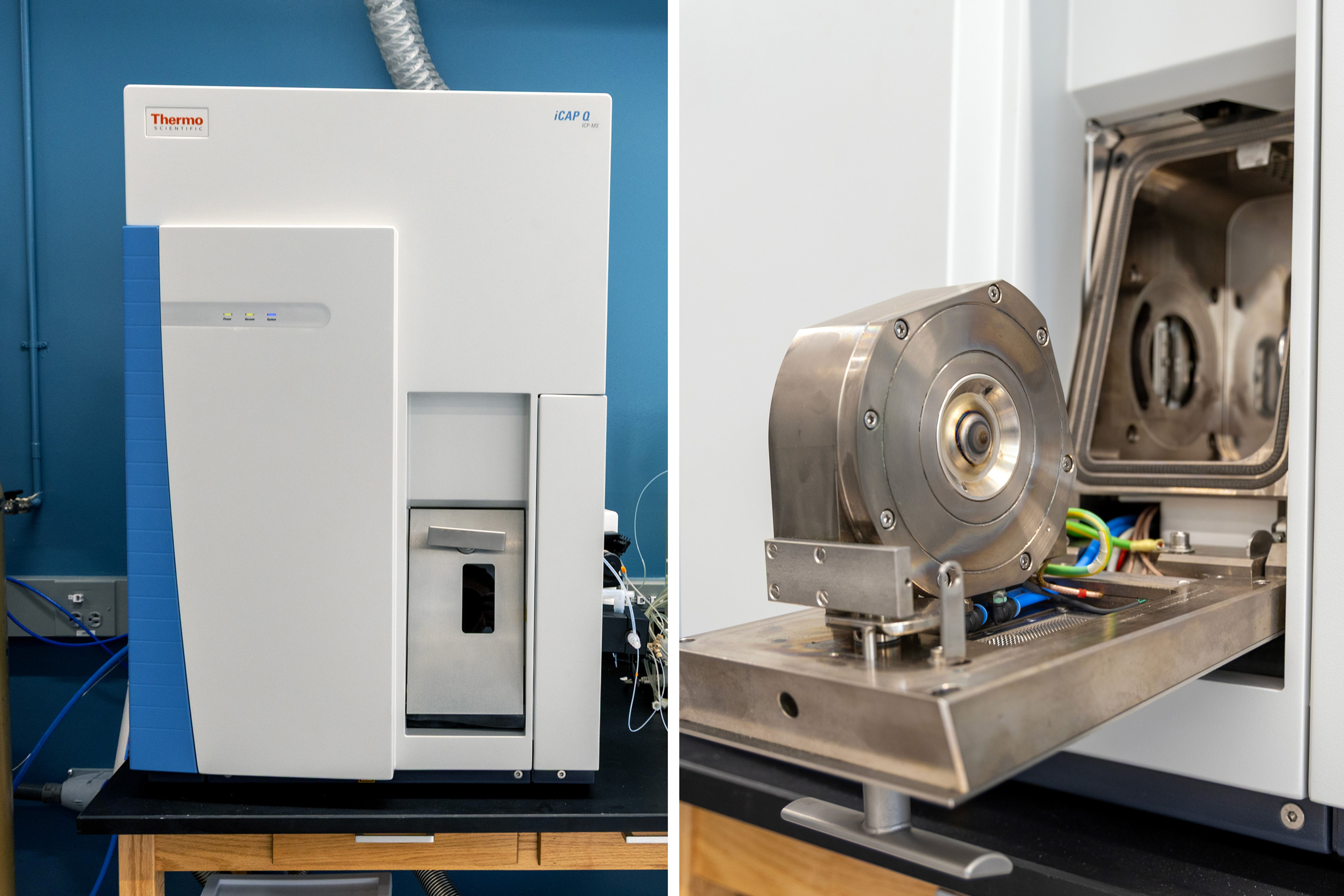
iCAP Q quadrupole plasma mass spectrometer
The iCAP Q, a quadrupole plasma mass spectrometer, is a daily workhorse in Carnegie Science’s Mass Spectrometry Lab. Researchers use it to quickly screen samples after preparation in the wet chemistry lab and to measure the trace, minor, and major element composition of rocks, water, and other inorganic materials. Although it is not designed for the ultrahigh-precision isotopic work done on some of the lab’s other instruments, its plasma source—heated to roughly 10,000 Kelvin, comparable to the surface of the Sun—can ionize much of the periodic table and process many samples in a short amount of time.
Preparing Planetary Clues
Before a sample reaches a mass spectrometer, it passes through a series of careful chemical steps in the clean wet chemistry lab. Here, researchers dissolve meteorites and terrestrial rocks, purify key elements, and reduce contamination to the lowest possible levels. This meticulous preparation makes it possible to extract meaningful chemical clues from planetary materials, revealing how planets formed, changed over time, and developed their interiors.
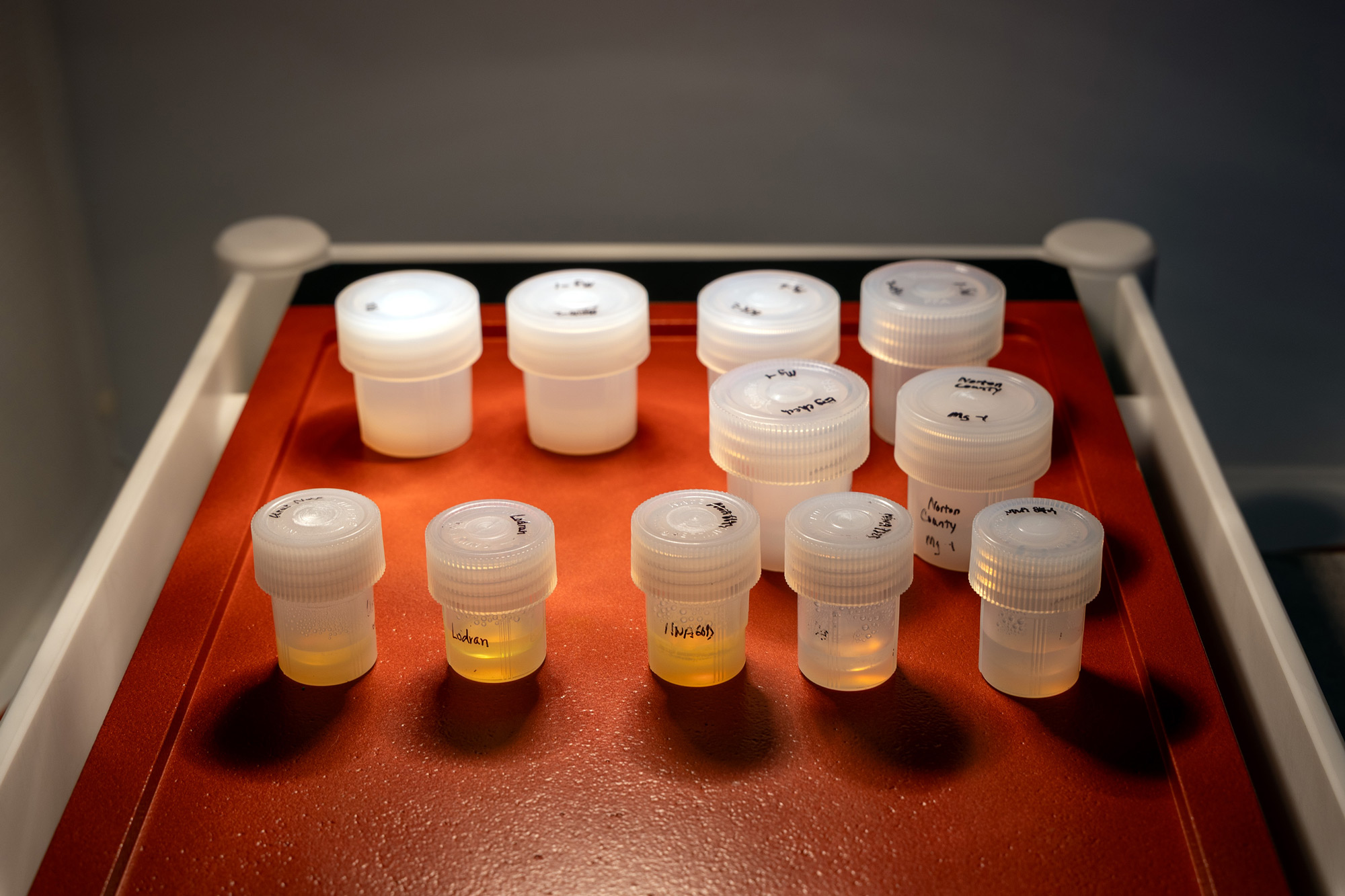
Meteorite dissolution
Meteorite samples are dissolved in hydrofluoric and nitric acid in the clean wet chemistry lab, where they are prepared for elemental and isotopic analysis. Measuring the chemical makeup of meteorites helps Carnegie Science researchers investigate how planets form, differentiate, and evolve, while also offering clues to the composition of planetary interiors.
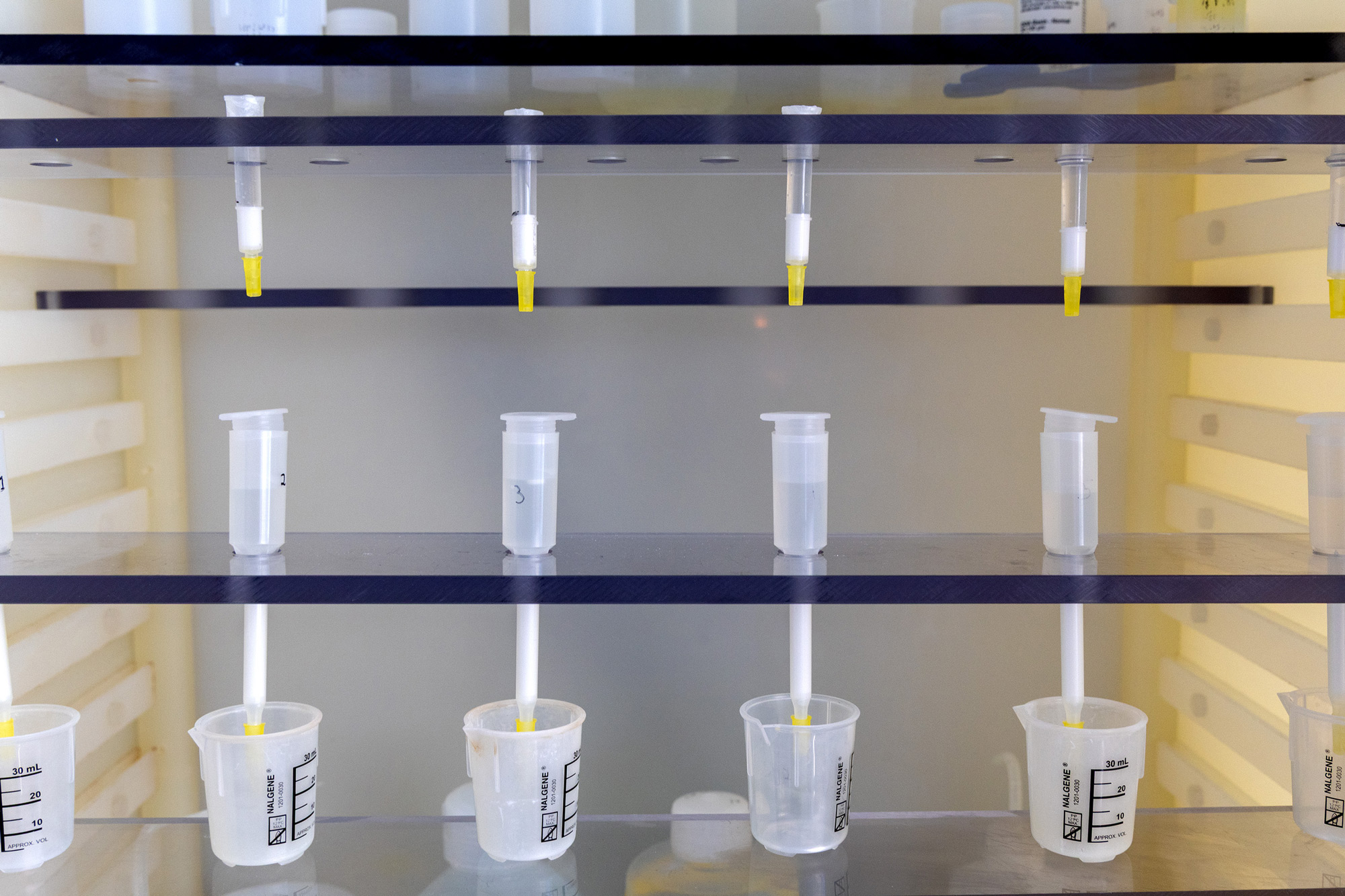
Ion extraction chromatography
Ion extraction chromatography is used to isolate specific elements for analysis. Because impurities can interfere with measurements, samples often pass through multiple columns before researchers obtain a sufficiently pure fraction, making it possible to collect the high-quality data needed to study Earth’s composition and the processes shaping its interior.
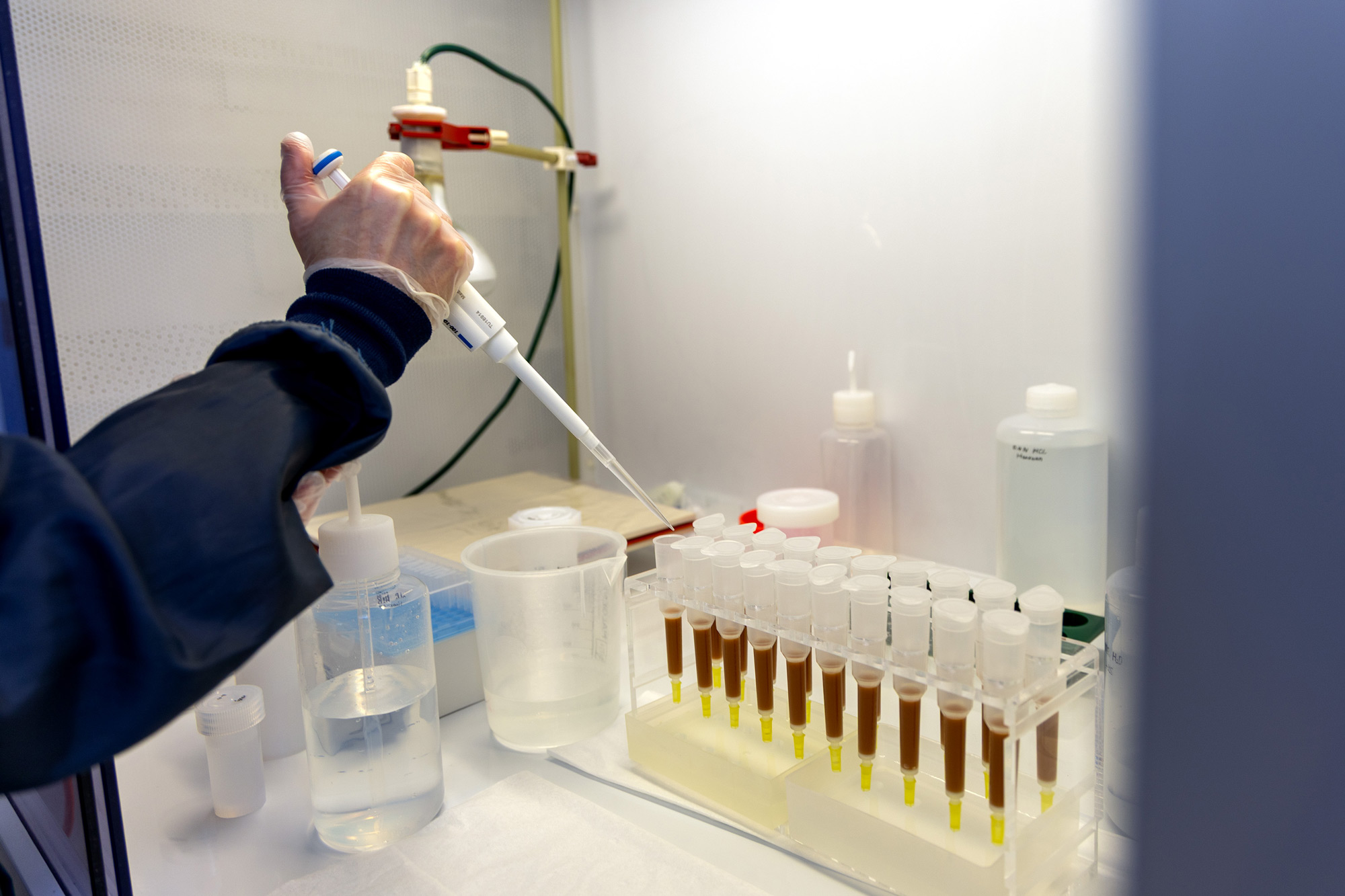
Silicon purification
Here, ion exchange chromatography is used to separate silicon from the rest of a dissolved sample.
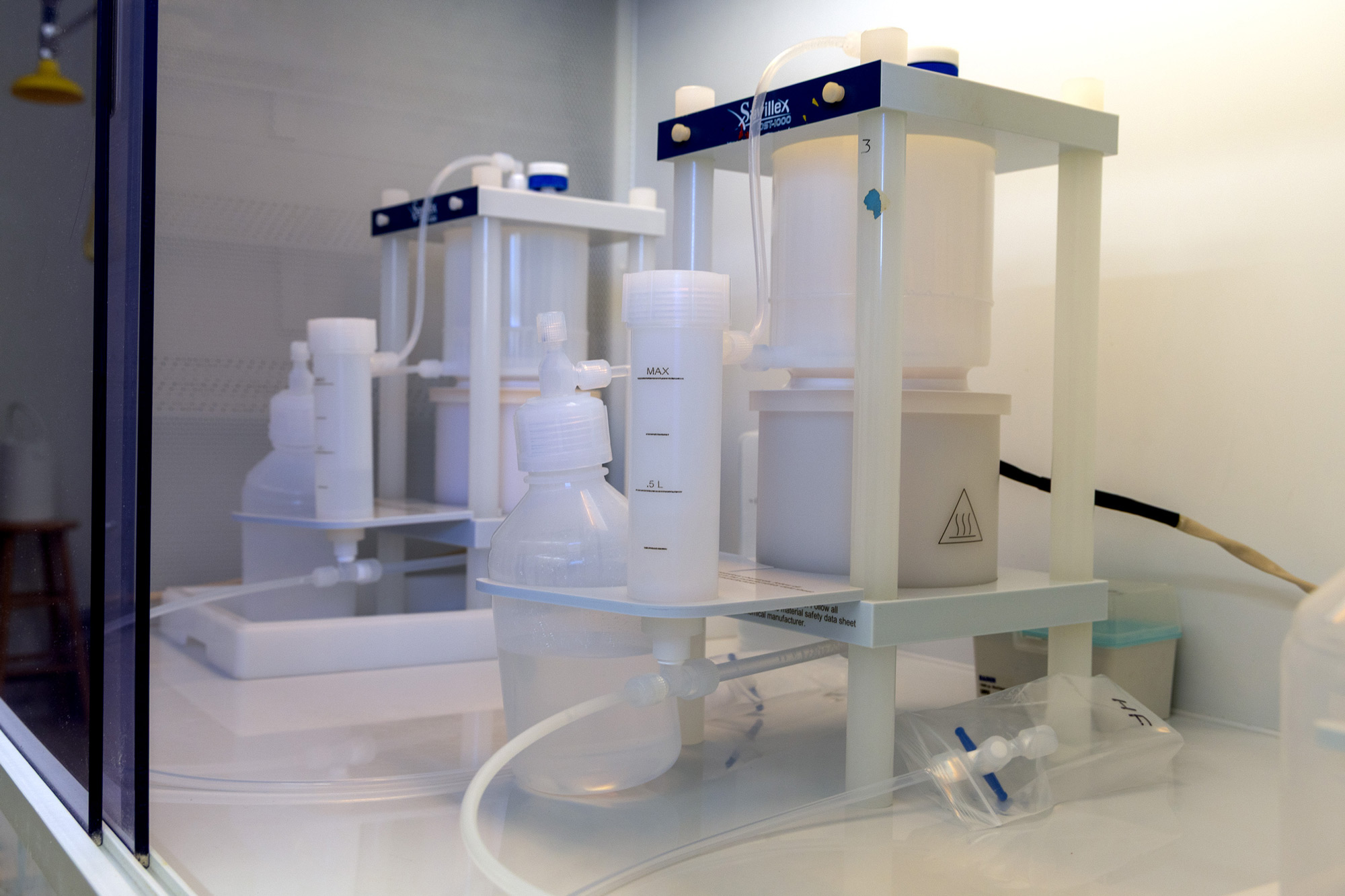
Ultrapure acid preparation
Reagents are distilled in sub-boiling acid stills to produce ultrapure acids for the clean wet chemistry lab. Keeping these acids extremely clean reduces contamination, lowers background signals, and helps researchers make more sensitive and precise measurements.
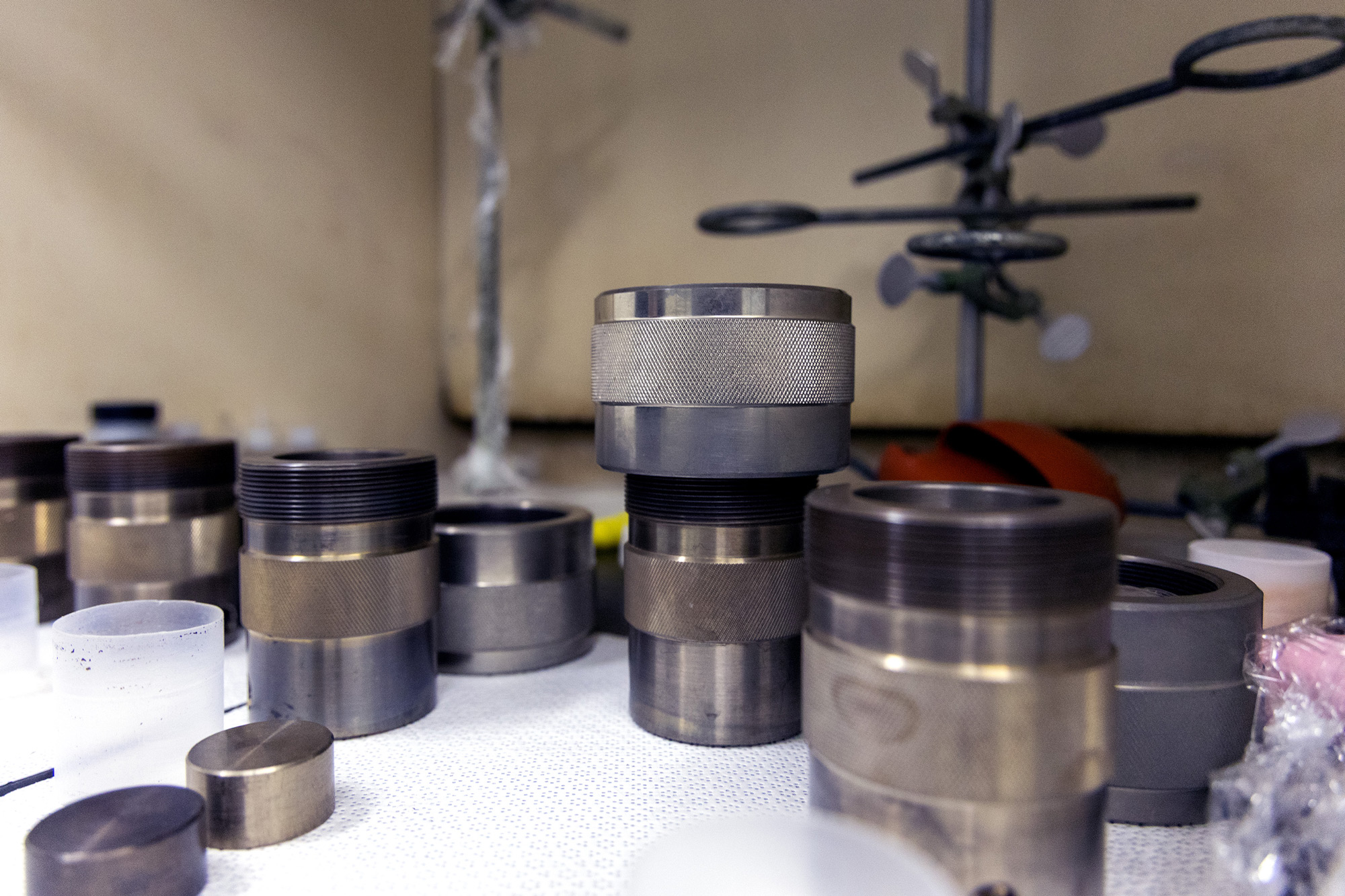
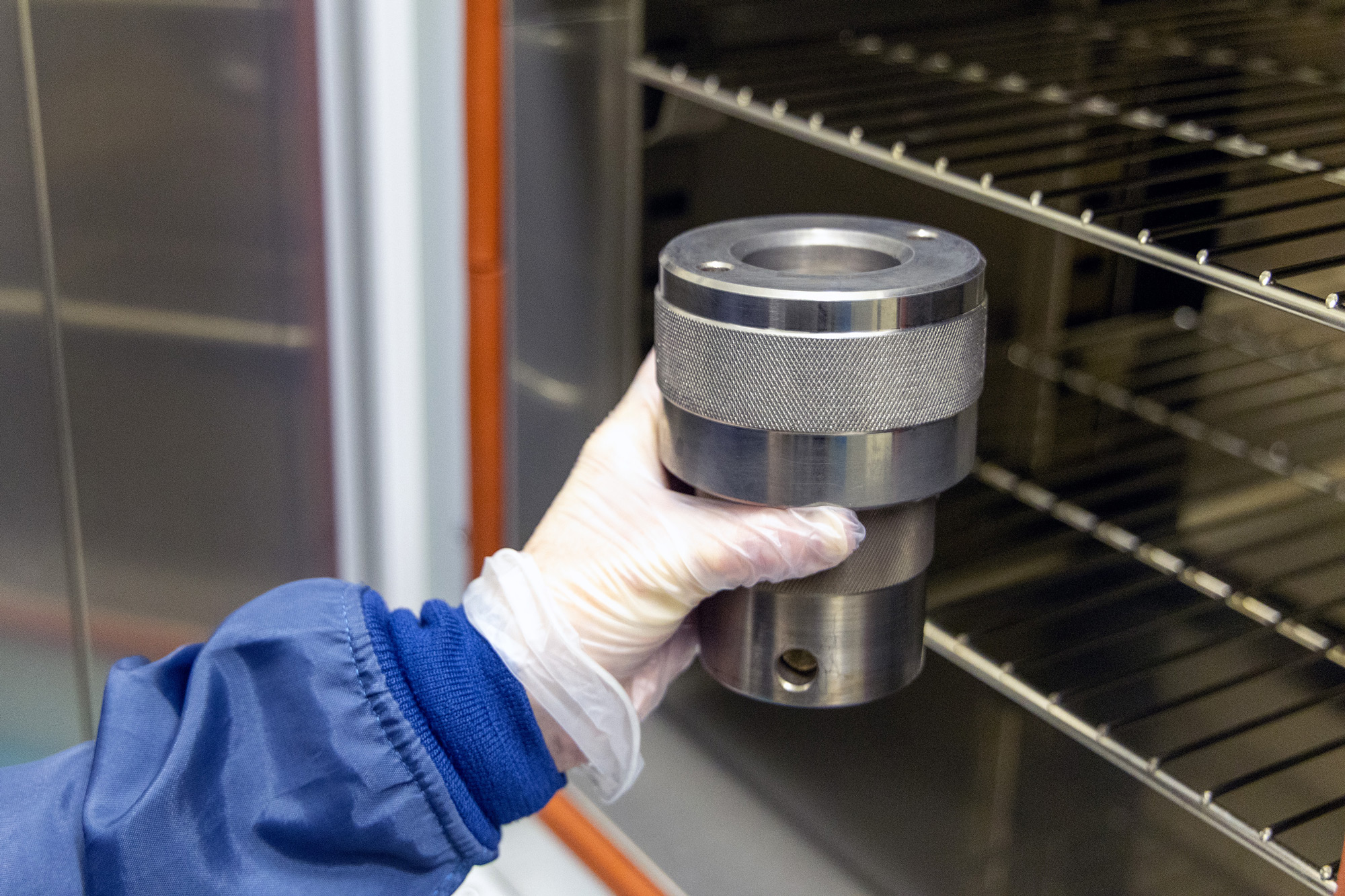
Parr bomb digestion
Some samples contain especially stubborn mineral phases that need stronger methods to dissolve completely. By sealing sample powders and acids inside stainless-steel containers called Parr bombs, researchers can heat them under high temperature and pressure, helping break down materials that would otherwise remain intact.
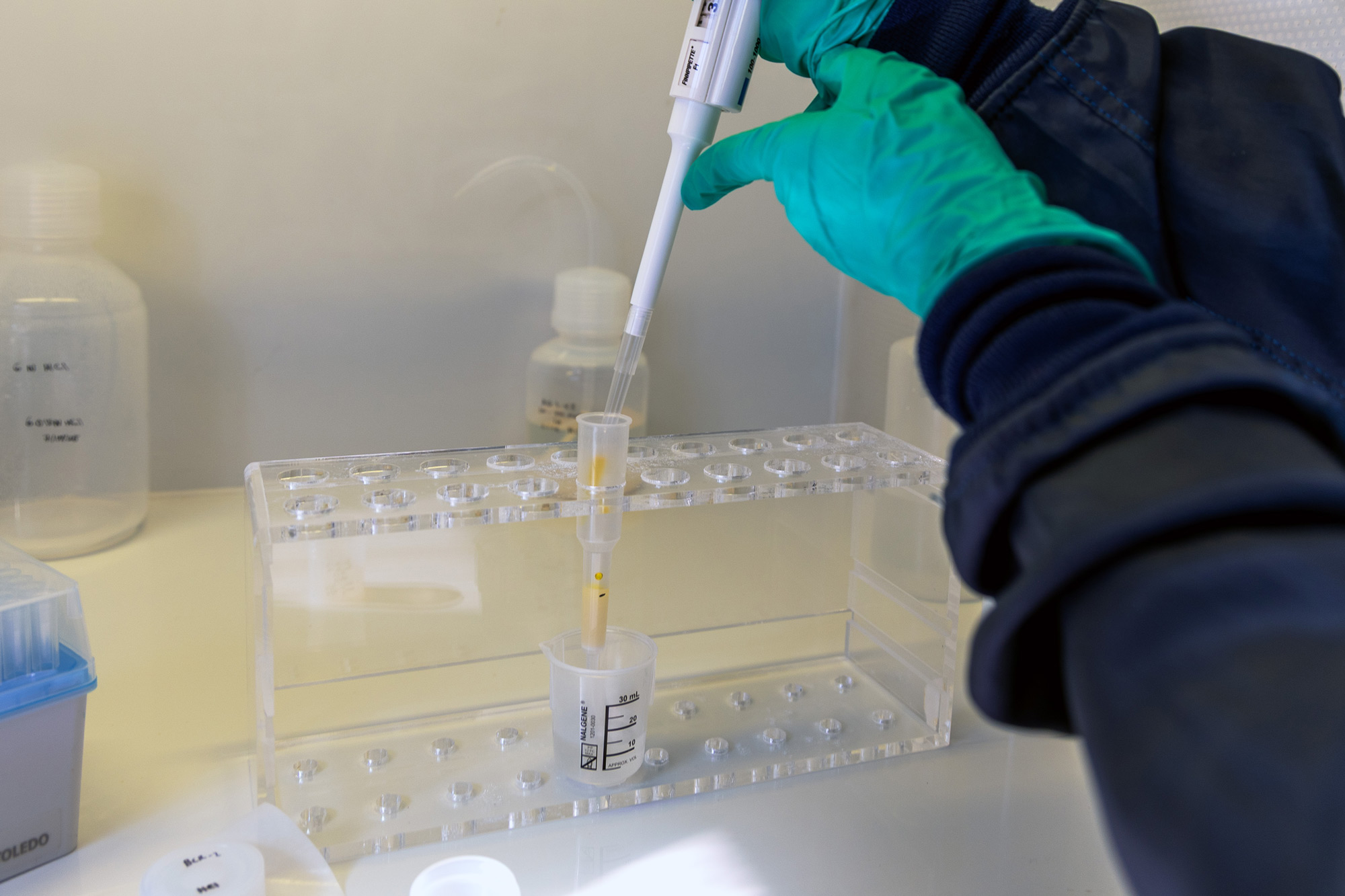
Iron separation
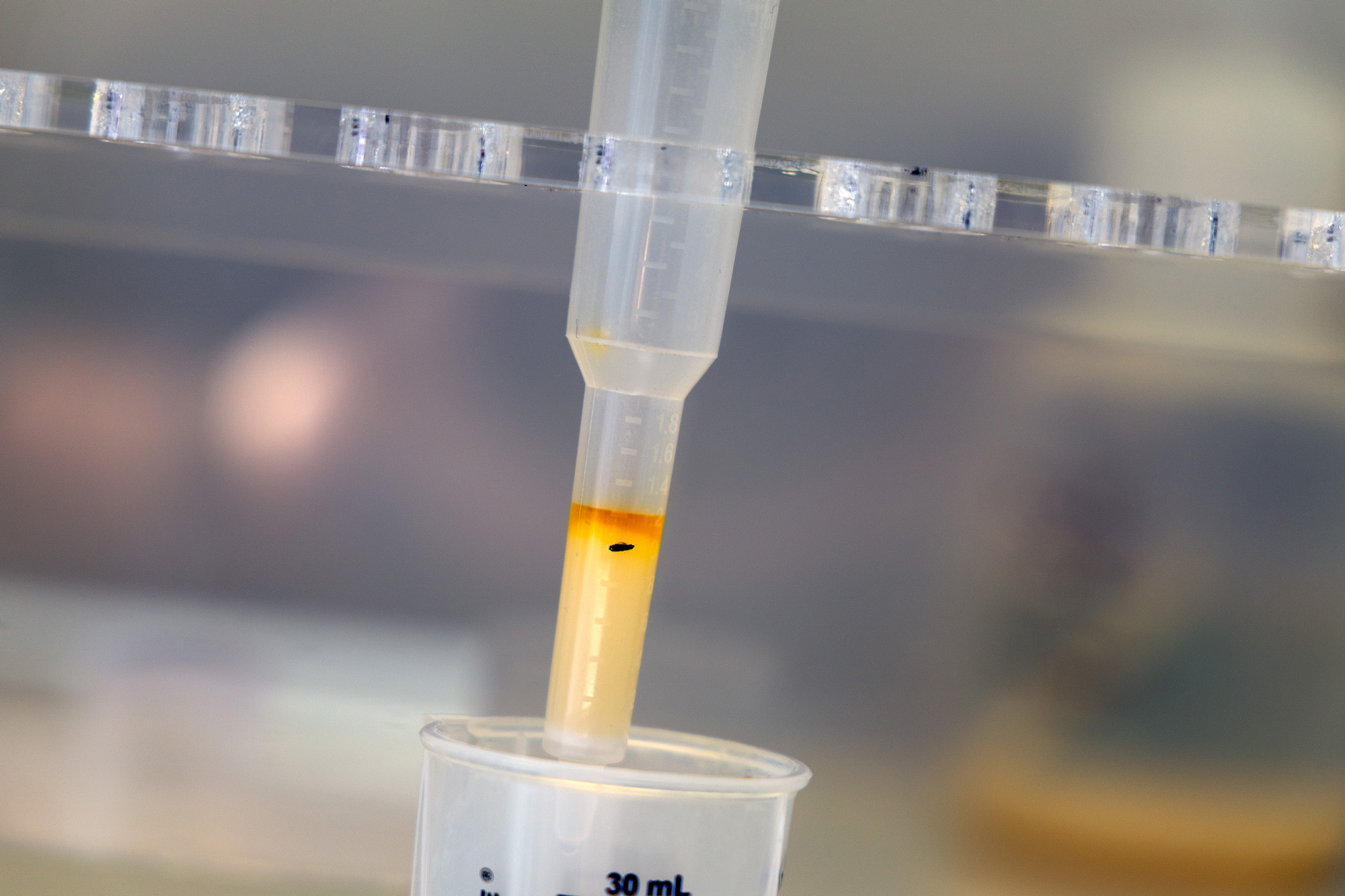
A dissolved rock sample is loaded onto an ion exchange column to separate iron from the rest of the material before its isotopic composition is measured. Because iron is a major part of both the cores and mantles of rocky planets, tracking how its isotopes are distributed can help researchers reconstruct how planets formed, grew, and separated into layers. Carnegie scientists use this approach on meteorites, Earth rocks, and experimental samples.
Iron separation | Detail
As the dissolved sample moves through the ion exchange column, iron is separated from the rest of the rock for later isotopic analysis. Among other applications, these measurements can help Carnegie Science researchers study how iron isotopes are divided between planetary cores and mantles, offering clues to how rocky worlds form and evolve.
Recreating Planetary Interiors
Much of what scientists know about the deep interiors of planets comes from clues carried by earthquakes, volcanic activity, and meteorites. In Carnegie Science’s high-pressure lab, researchers go a step further by experimentally recreating those otherwise unreachable conditions. Using presses and diamond anvil cells, they subject tiny samples to immense pressures and extreme temperatures, allowing them to study how planetary materials melt, transform, and move deep inside rocky worlds.
Piston cylinder cell assembly components
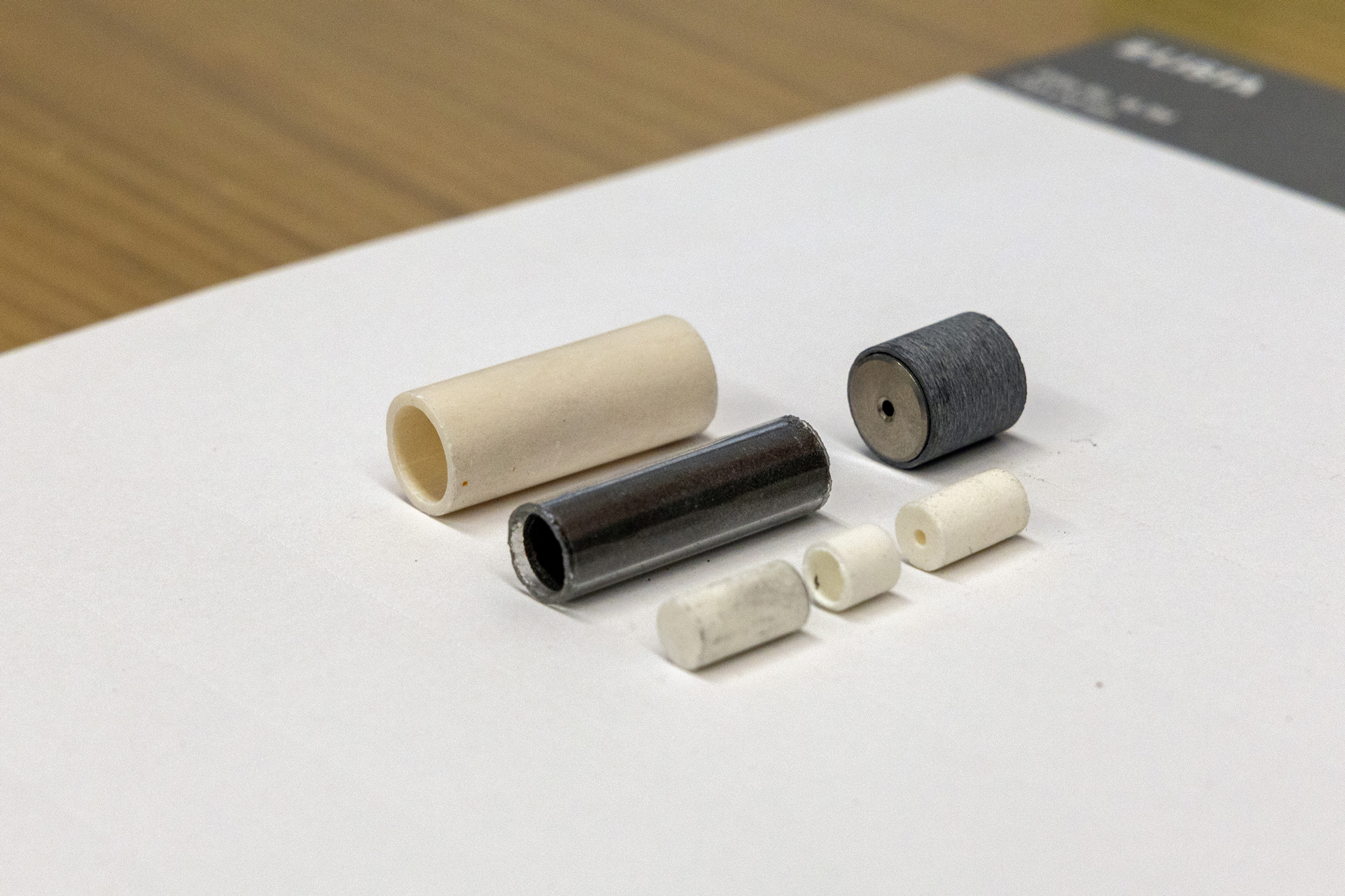
The individual parts of a piston cylinder cell assembly reveal the carefully engineered environment required for high-pressure experiments. Each component, from the pressure medium and glass liner to the graphite heater and ceramic insulators, plays a specific role in helping researchers control pressure and temperature as they recreate conditions found deep inside planets.
Piston cylinder stack
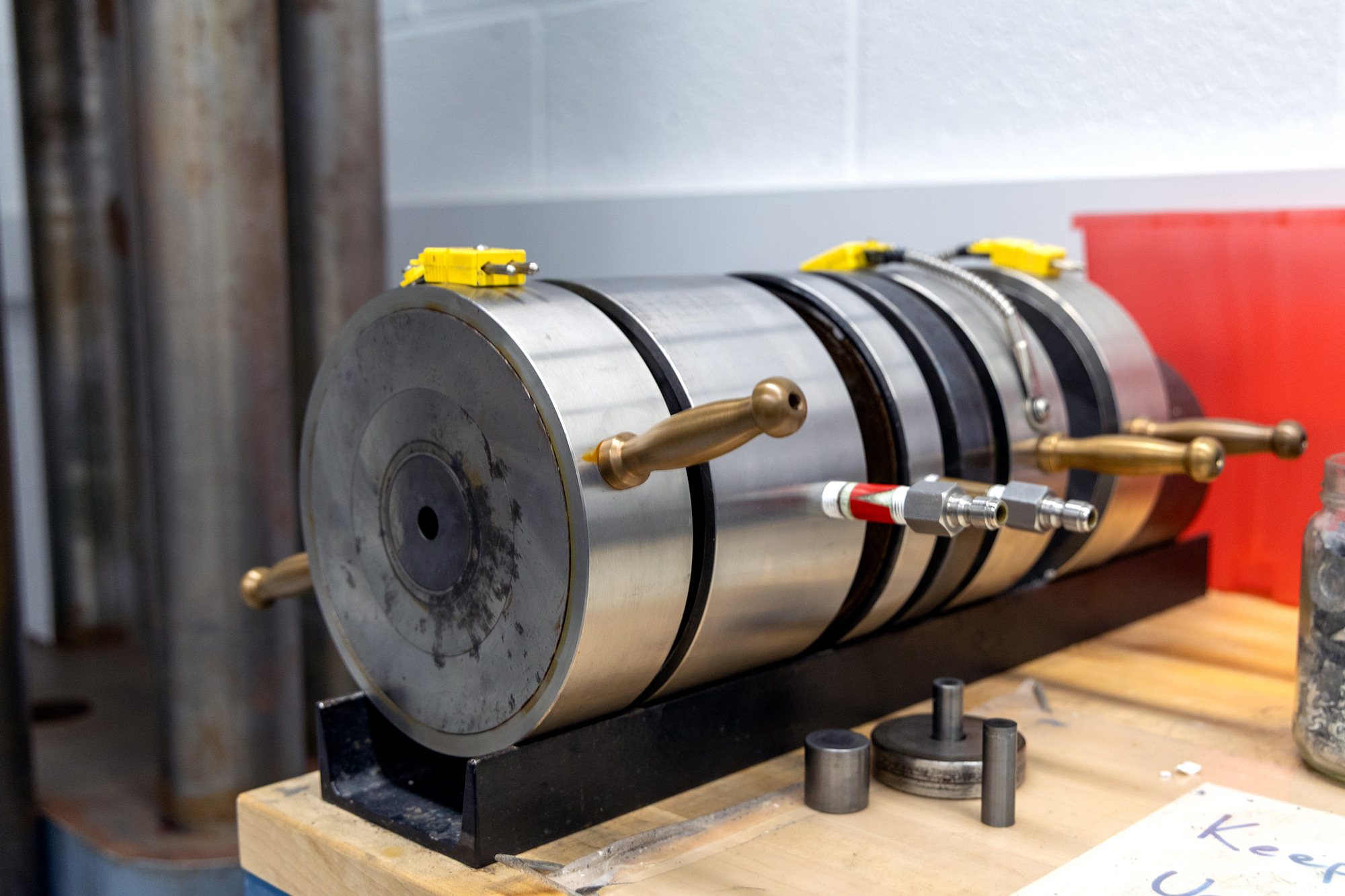
Resting on the bench before loading, this piston cylinder stack forms the link between the hydraulic press and the tiny sample at the center of an experiment. Its precisely machined components help channel immense force into a stable, controlled environment that can reproduce the pressures and temperatures of Earth’s upper mantle.
Piston cylinder apparatus
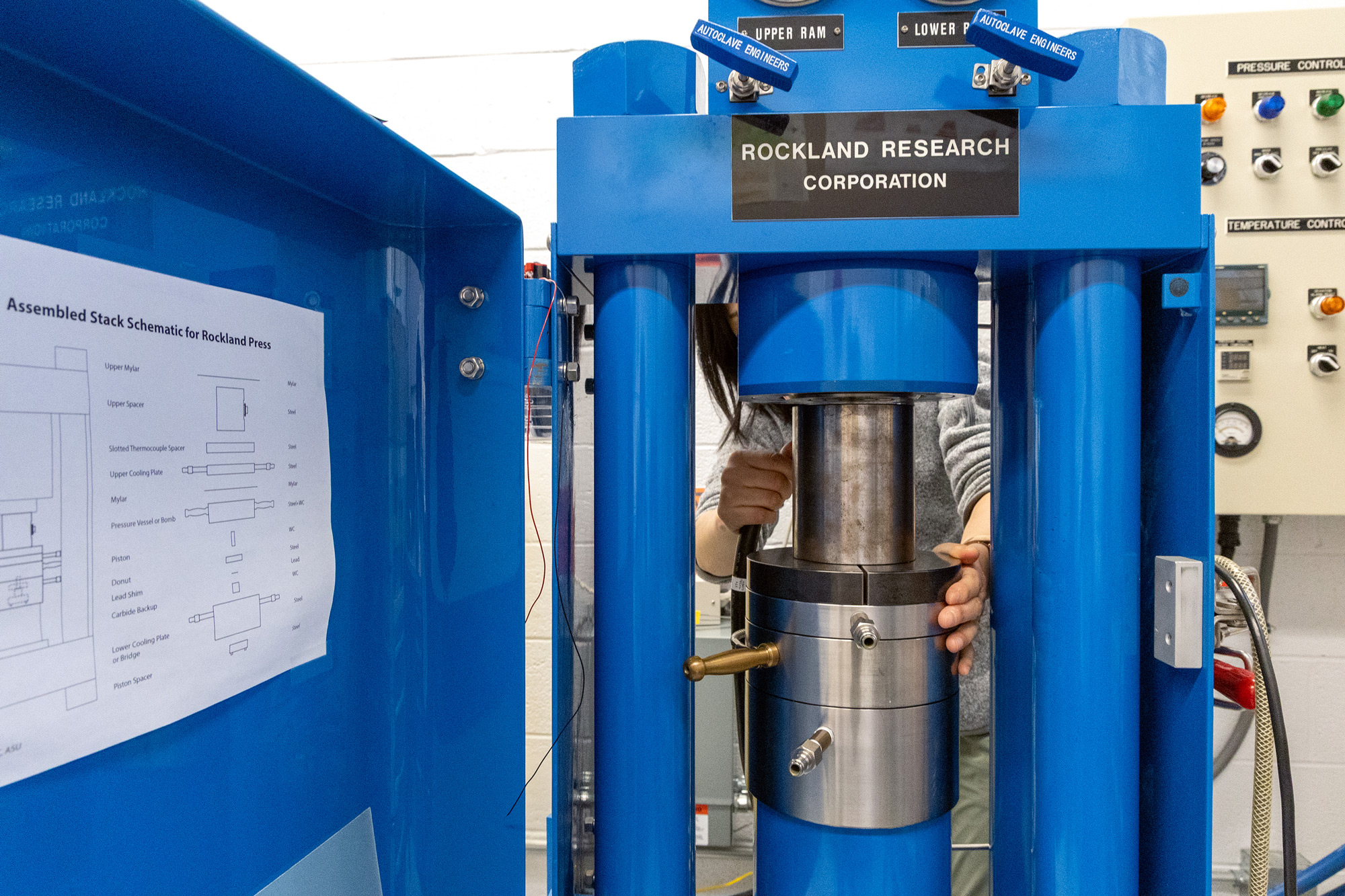
A Carnegie researcher positions the assembly inside a piston cylinder apparatus, a high-pressure instrument that can reach up to 3 gigapascals and 1,600 degrees Celsius. By recreating conditions found deep within Earth and other rocky bodies, the press allows scientists to study how minerals and melts behave inside planetary interiors.
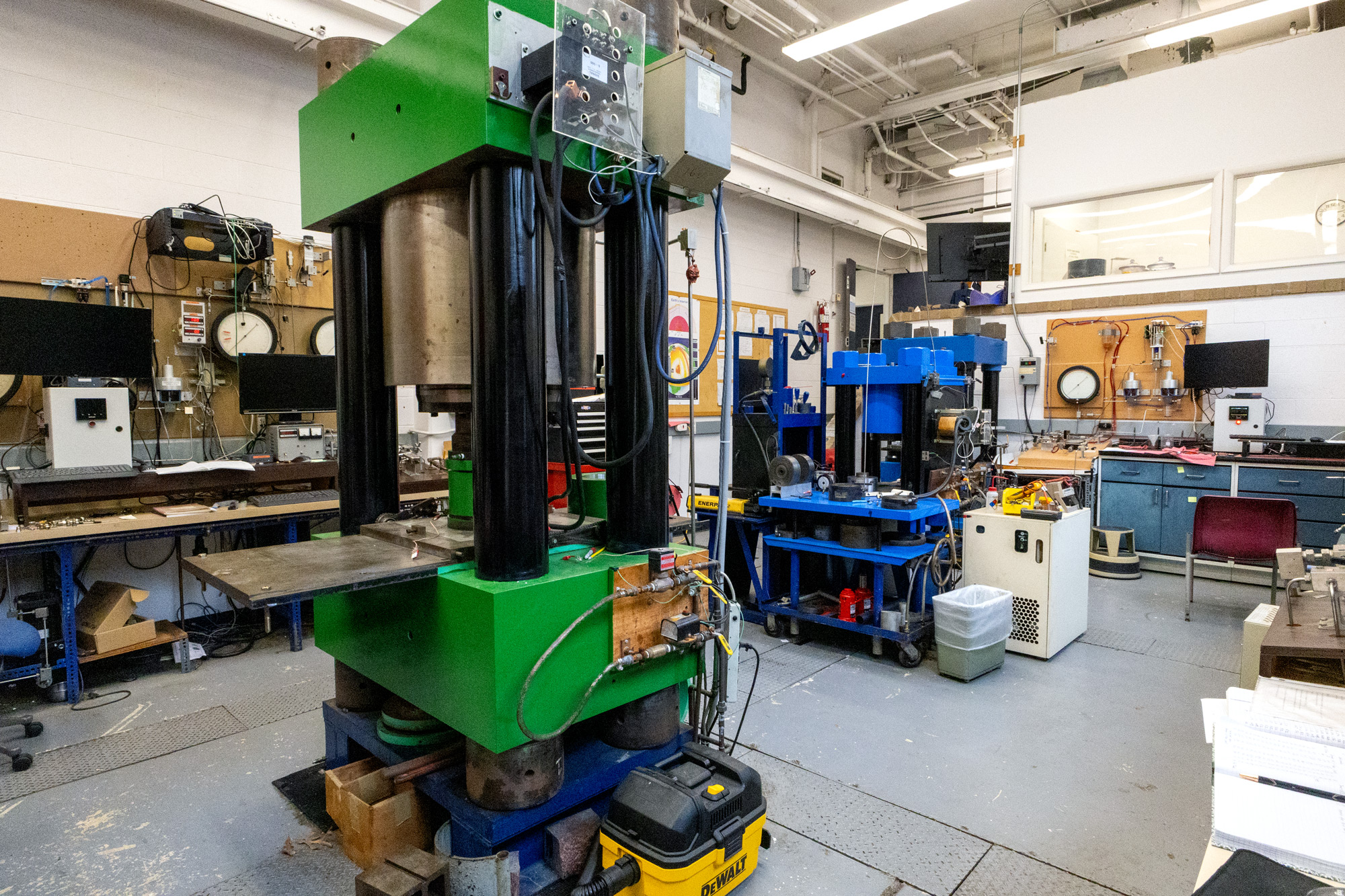
1,500-ton Walker-type multi-anvil press
Carnegie Science’s 1,500-ton Walker-type multi-anvil press is a workhorse for simulating the extreme conditions of Earth’s deep interior. Capable of reaching pressures up to 27 gigapascals and temperatures above 2,000 degrees Celsius, it can reproduce conditions as deep as the top of Earth’s lower mantle, roughly 700 kilometers below the surface.
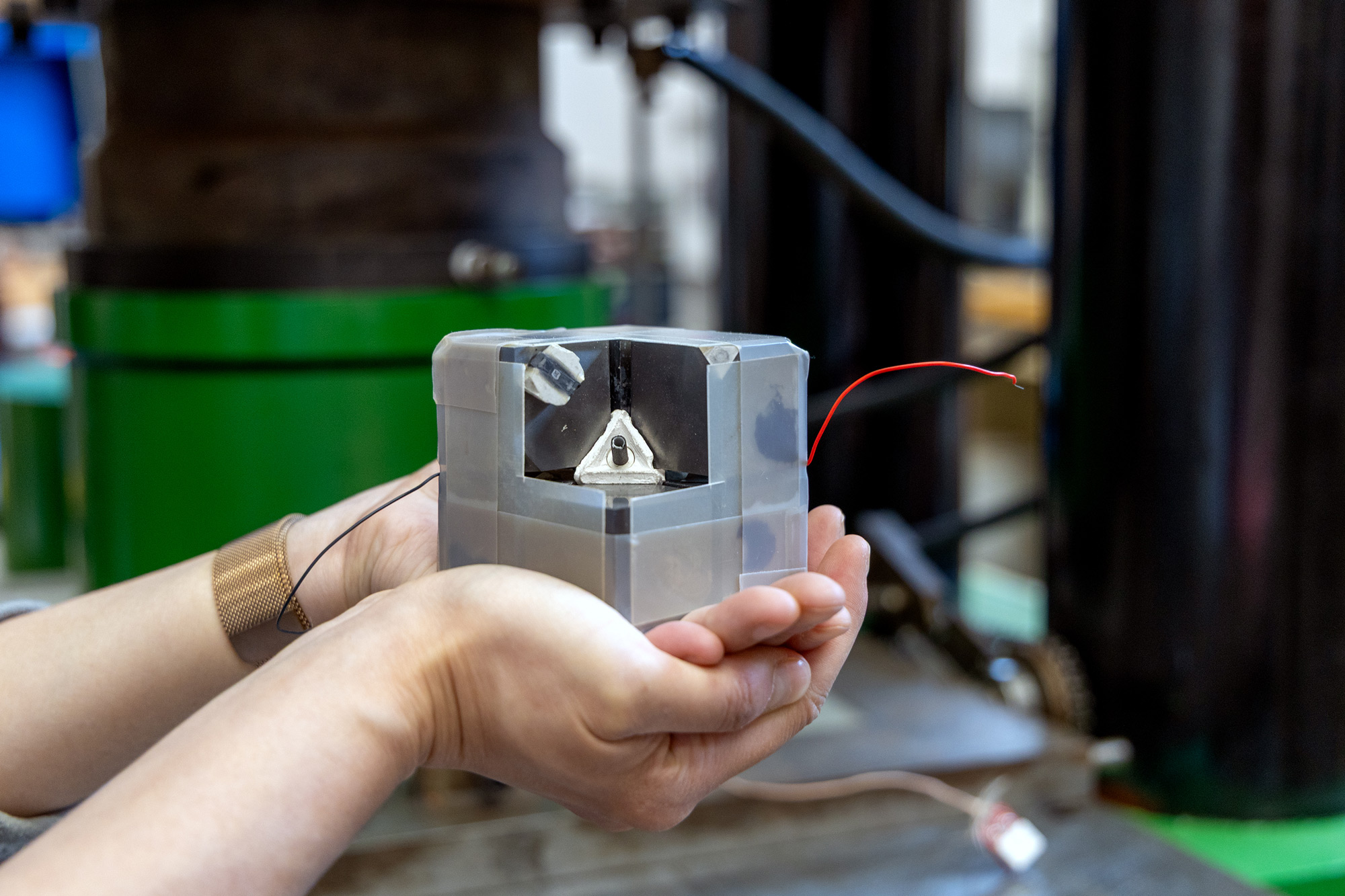
Multi-anvil cell assembly detail
A Carnegie researcher holds a multi-anvil cell assembly with one tungsten-carbide cube removed, revealing the octahedral pressure medium at the center of the eight-cube arrangement. Inside the assembly, a sample sealed in a metal capsule is heated by graphite and monitored by a thermocouple as researchers recreate the intense pressures and temperatures found deep inside planets. After the experiment, the recovered assembly can be analyzed to better understand how planetary materials change, react, and reorganize under extreme conditions.
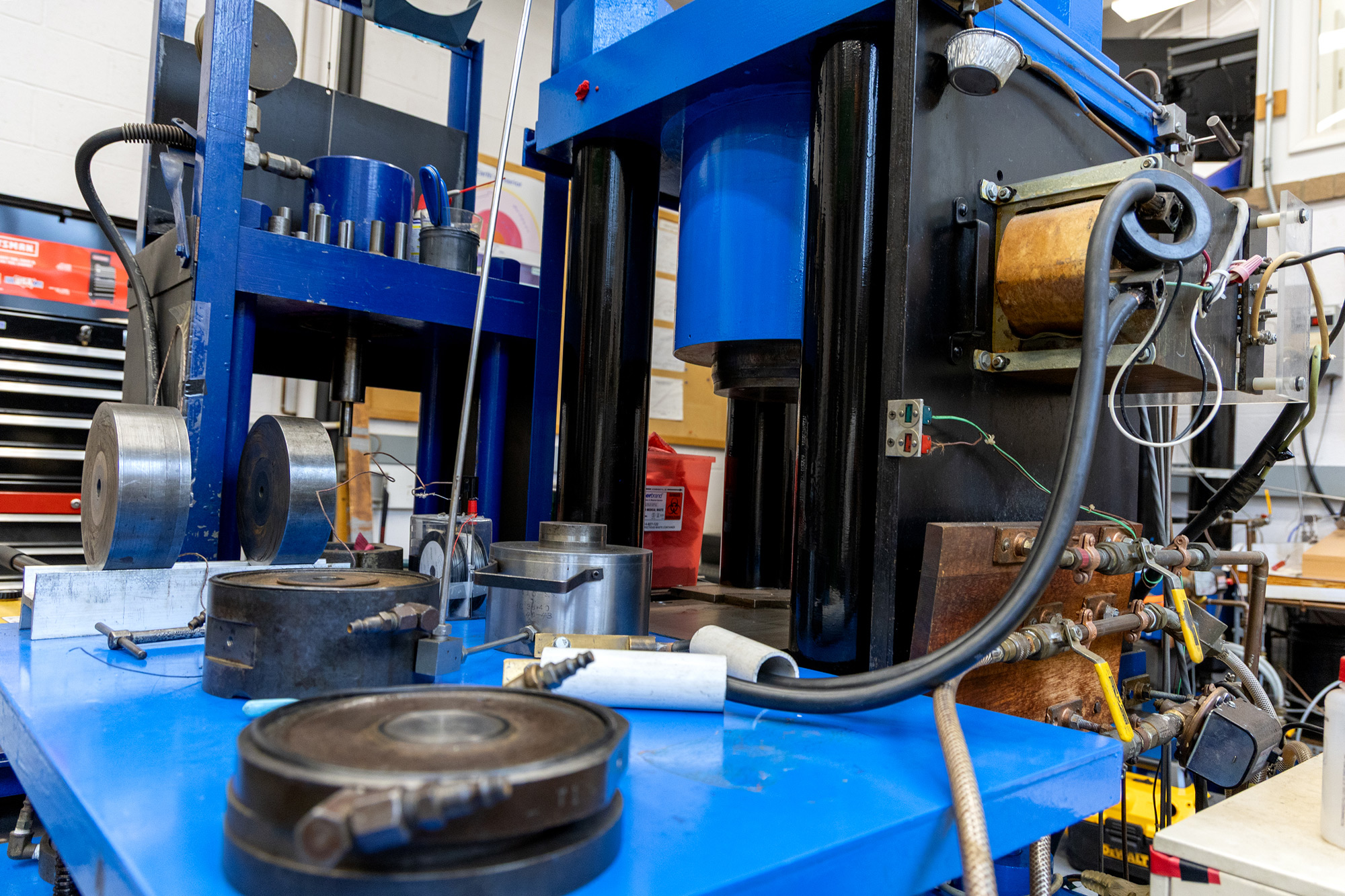
Boyd-England piston cylinder
Still standing in the lab more than 60 years after it was built, the Boyd-England piston cylinder is a landmark instrument in the history of high-pressure science. Developed in the early 1960s at Carnegie’s Geophysical Laboratory by Joe Boyd and Joseph England, it could reach pressures up to 4 gigapascals and temperatures above 2,000 degrees Celsius, opening an early window into the conditions of Earth’s uppermost mantle. Its relatively simple, effective design helped make it a standard tool in high-pressure laboratories around the world.
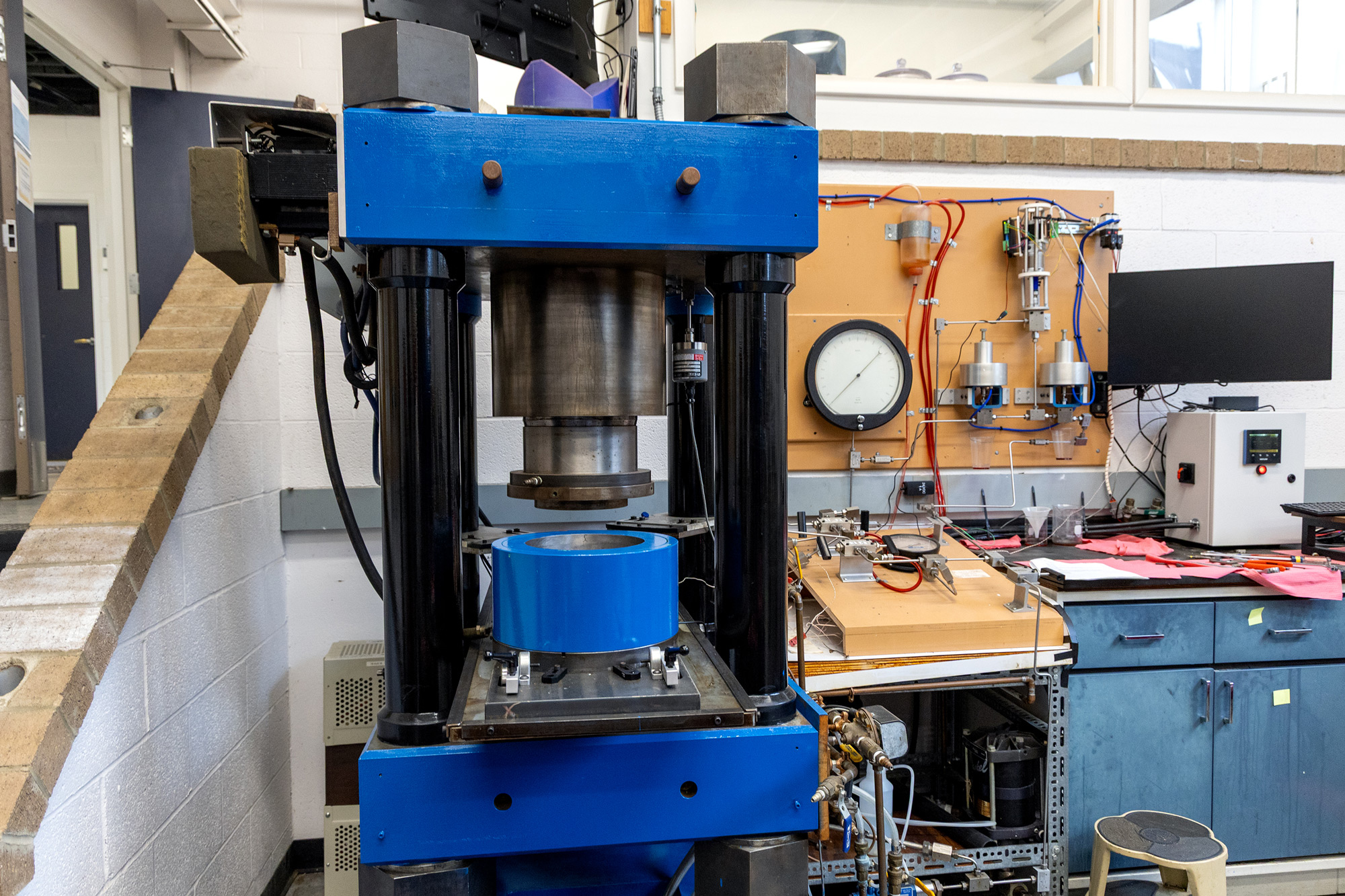
800-ton Walker-type multi-anvil press
Like Carnegie’s larger green press, this 800-ton Walker-type multi-anvil press can simulate conditions as deep as the top of Earth’s lower mantle. Having two multi-anvil presses of different tonnages gives researchers greater experimental flexibility and throughput, allowing more simultaneous investigations into the mineral physics and geochemistry that shape planetary interiors.
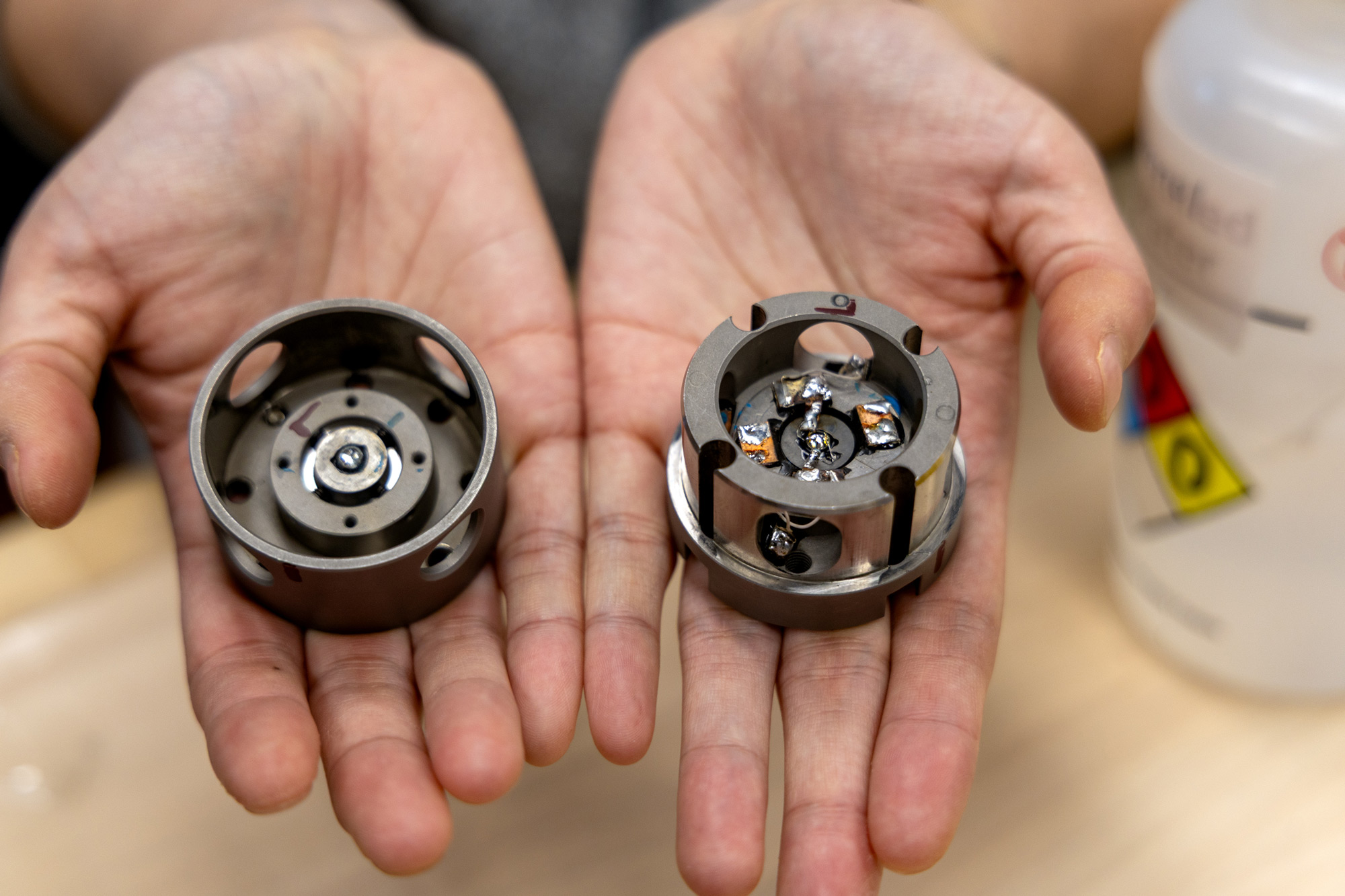
Diamond anvil cell
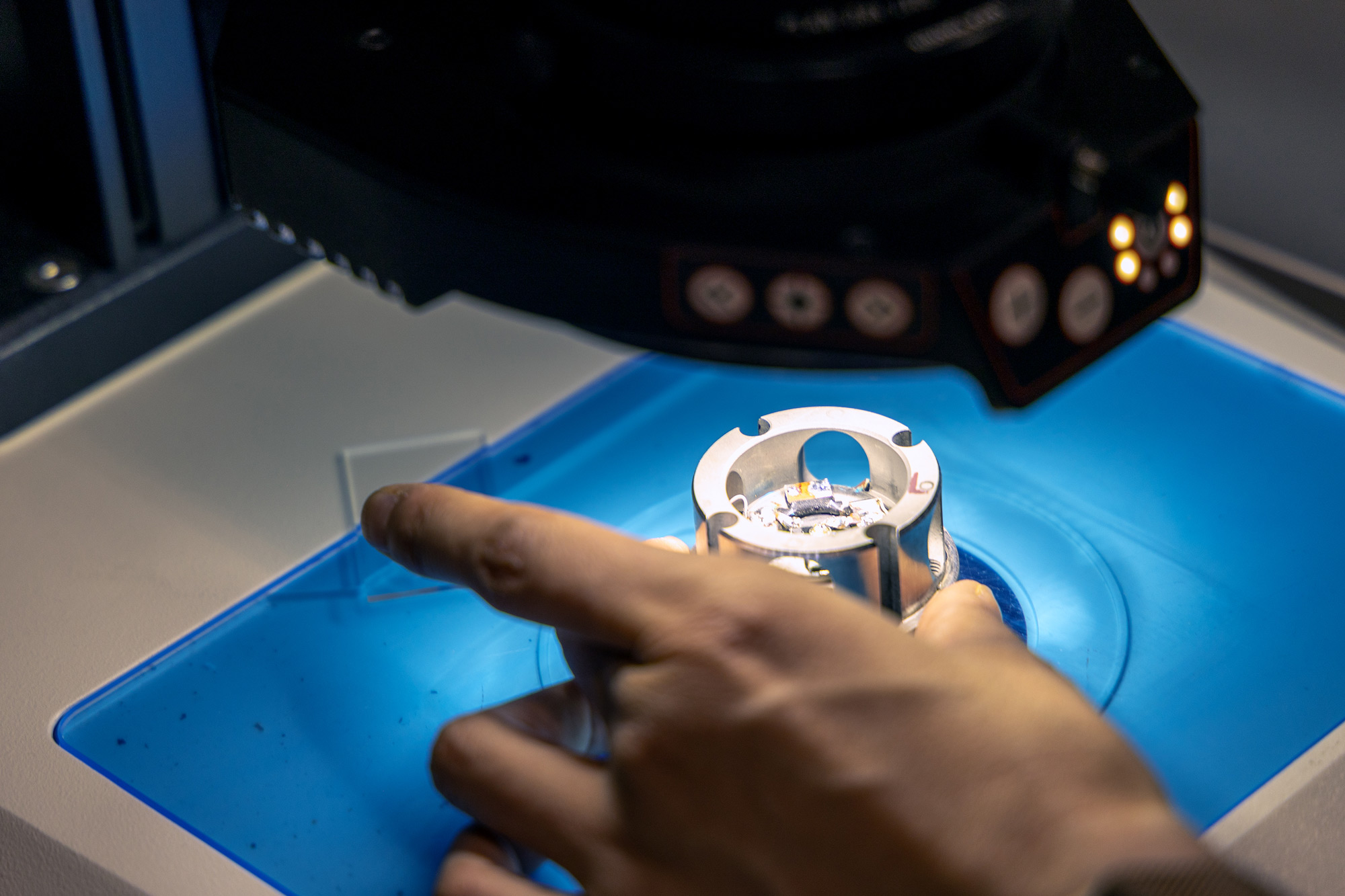
Small enough to fit in a pair of hands, a diamond anvil cell is one of the most powerful pressure devices in existence. Tiny diamonds at its center squeeze a microscopic sample to pressures comparable to those at Earth’s core, and when paired with laser or resistive heating, the instrument can recreate some of the most extreme conditions found anywhere inside a planet.
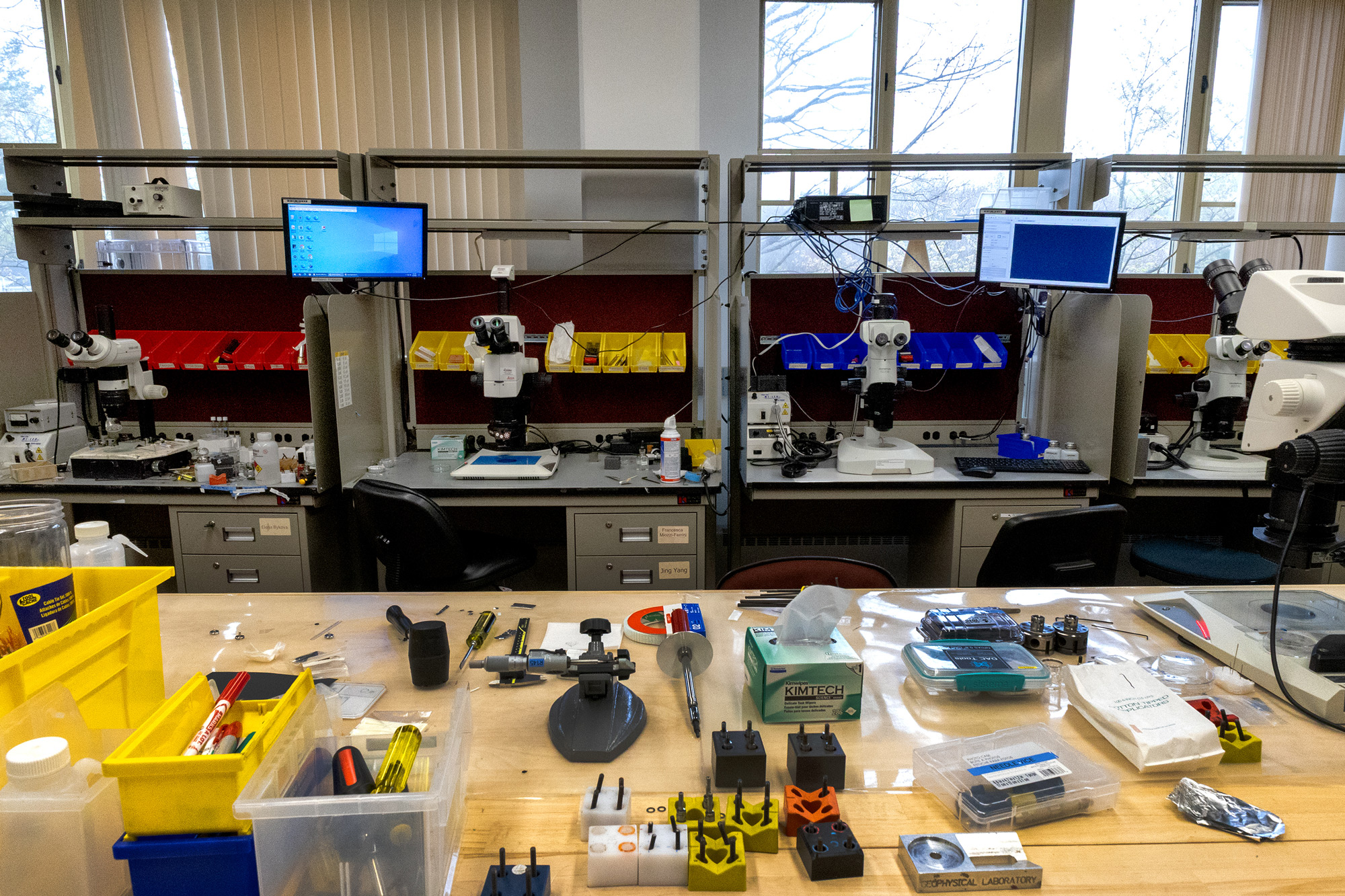
DAC sample preparation laboratory
Behind every diamond anvil cell experiment is a meticulous preparation process. In this laboratory, researchers use microscopes and specialized tools to align diamonds, assemble gaskets and pressure media, and position samples only tens of micrometers across—precision work that is essential for experiments designed to replicate the deepest and hottest parts of planetary interiors.
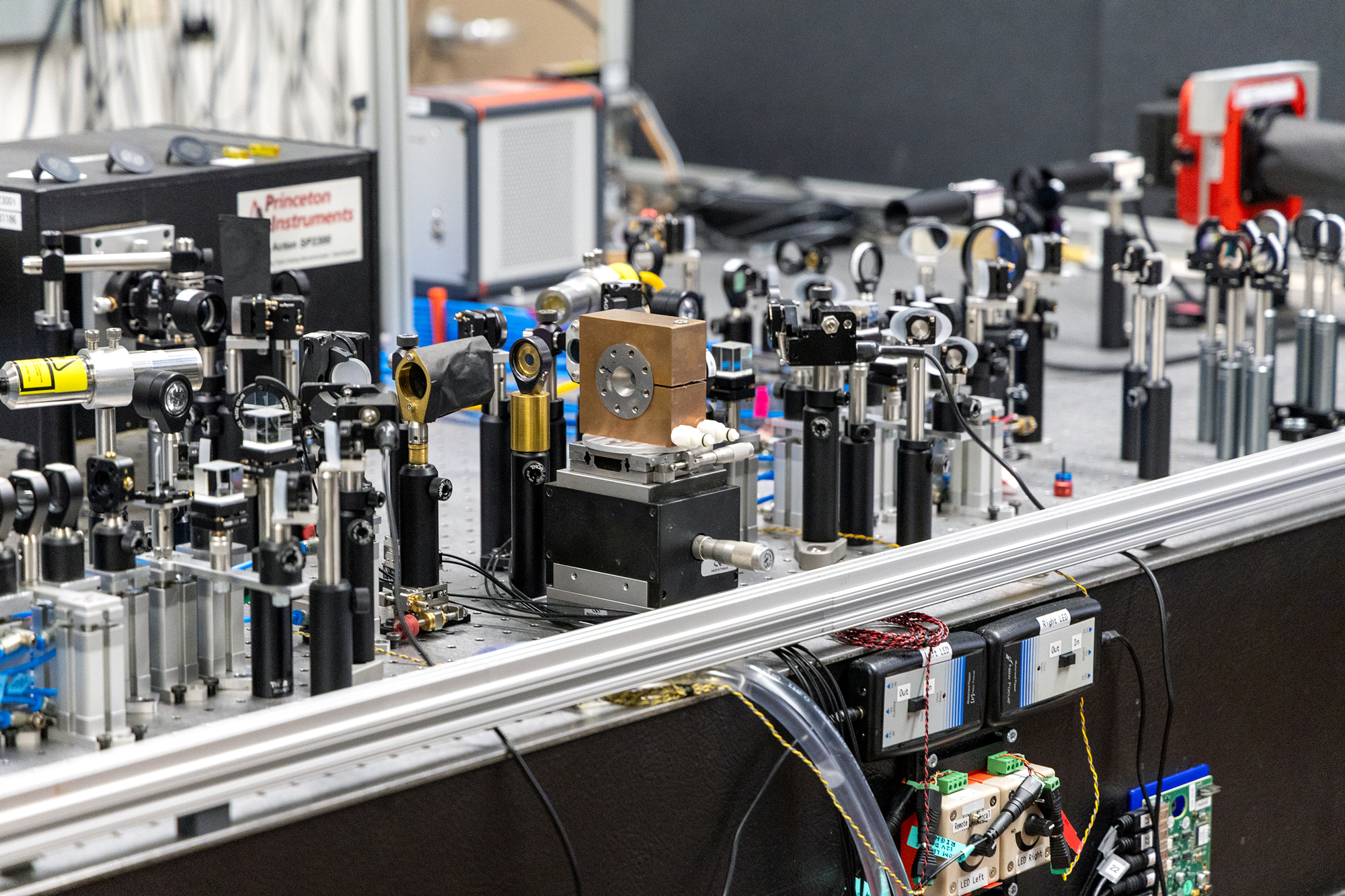
Laser-heated diamond anvil cell setup
This laser-heated diamond anvil cell setup allows researchers to squeeze a sample to enormous pressures and then heat it with a focused infrared laser to temperatures of up to about 5,500 degrees Celsius. Scientists use clues from earthquakes and volcanic activity to build models of what lies deep inside planets, but experiments like this make it possible to test those ideas directly in the lab. By recreating the extreme conditions found in planetary interiors, the system helps researchers investigate phase changes, melting, and heat flow in places like Earth’s mantle and core.
Featured Researchers