Stargazing Without a Telescope

The night sky has inspired humanity for millennia.
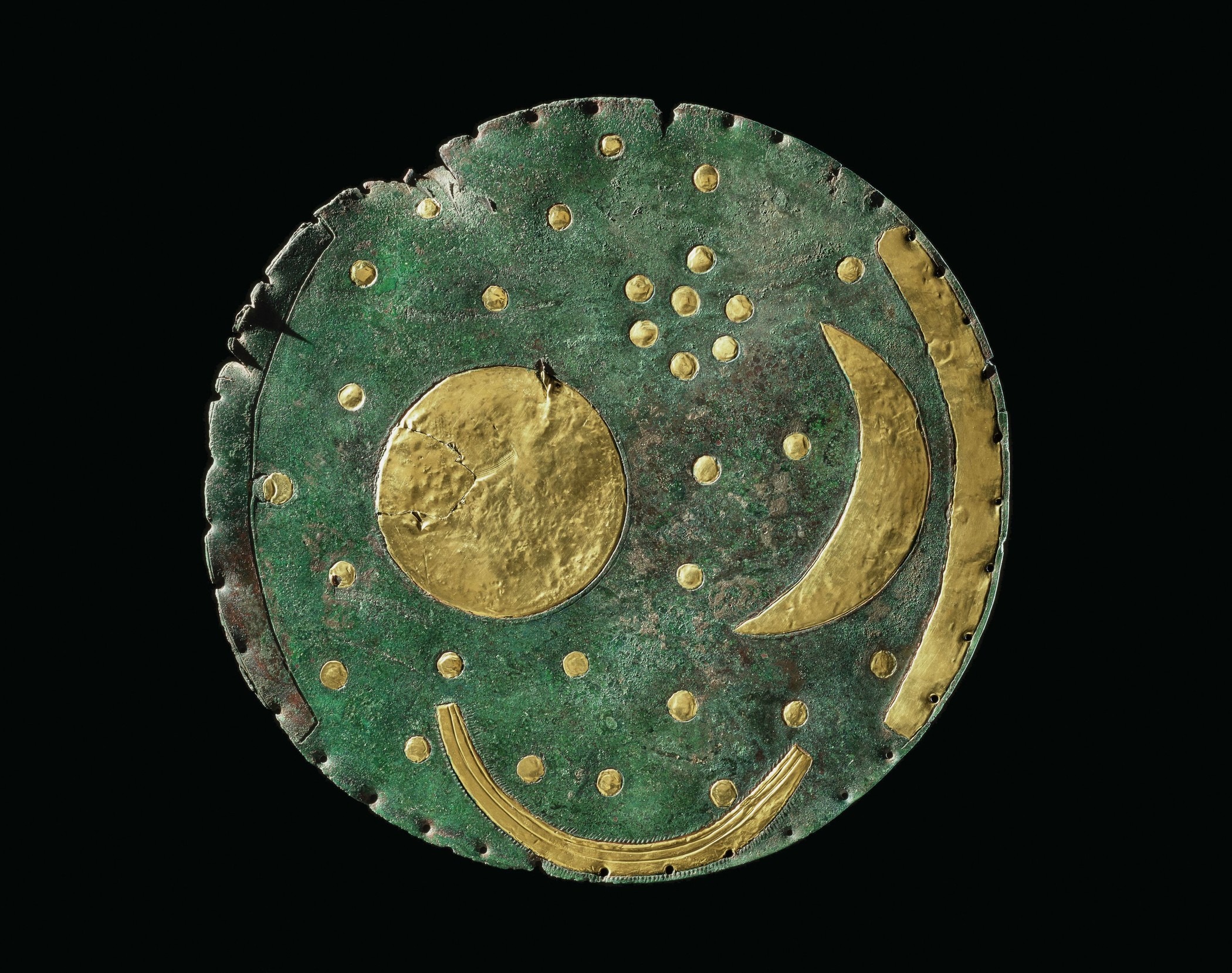
From the 7,000-year-old stone circle at Nabta Playa in Egypt—thought to be the world’s first astronomical site—to the approximately 3,600-year-old Nebra Sky Disc—believed to be the world’s oldest surviving astronomical map--people have looked to the skies for timekeeping, navigation, and inspiration.
And now you want to get in on the fun too. But how do you get started in your new life as a stargazer?
Just Look Up!
Jack Piotrowski, an astronomer and instrumentation specialist at the Carnegie Science Observatories, says the first step to becoming a backyard astronomer is to get to know what’s going on in the sky.
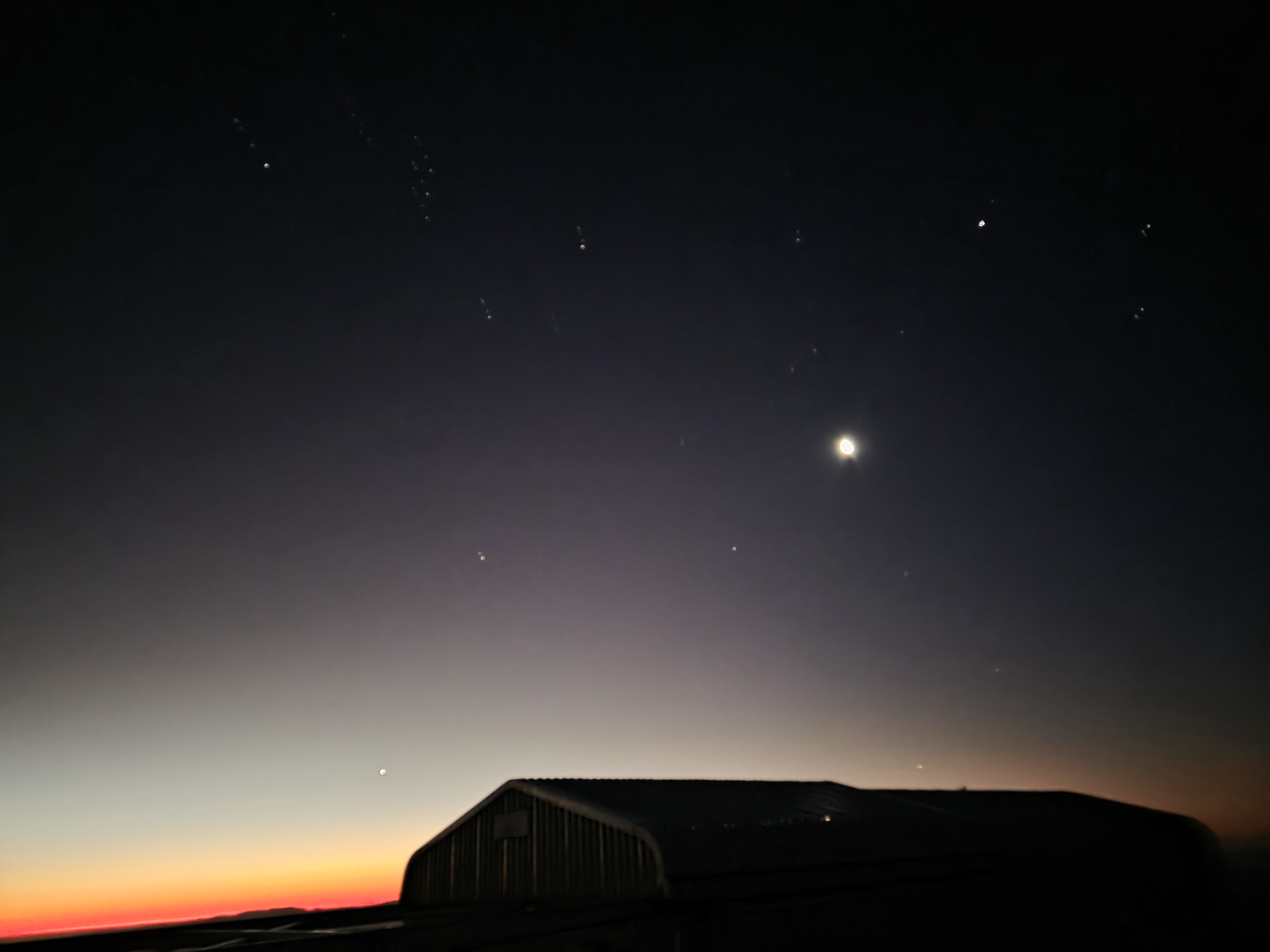
“Learn about the eight phases of the Moon, which cycle about every 29.5 days, and about what happens during lunar eclipses, when the Earth passes directly between the Sun and the Moon and Earth’s shadow falls on the lunar surface,” Piotrowski says.
Another important rule to keep in mind, according to Observatories astronomer and outreach lead Jeff Rich, is that stars twinkle and planets don’t.
“Starlight has to travel a lot farther to reach our eyes here on Earth. Even when looked at using our powerful telescopes, they appear as tiny points of light in the sky. This great distance means that their light is more disrupted by passing through our atmosphere, which causes the scintillation that we call twinkling,” Rich explains.
By contrast, the other planets in our Solar System are much closer and their light is less refracted by Earth’s atmosphere, appearing as a steady glow. Their proximity means that while they look like stars to the naked eye they appear as tiny disks when viewed through a telescope.
Five of the planets in our Solar System--Mercury, Venus, Mars, Jupiter, and Saturn--can be easily seen with the naked eye. Under perfect stargazing conditions Uranus can sometimes be spotted if you know exactly where to look for it.
“Because Venus and Mercury are so close to the Sun, they are best spotted at dawn and dusk,” adds Rich.
Up Your Game With Binoculars
Did you know that binoculars are a great stargazing tool? They’re more affordable than telescopes and no expertise is required to have a great viewing experience. Plus they are easy to pack up and take with you anywhere.
Binoculars are excellent for viewing Solar System objects and even some very bright stars and galaxies, according to Rich.
“Using a decent set of binoculars, you can see a lot of detail on the lunar surface, including craters, mountains, and valleys,” Rich says. “You can also see some of the brighter moons around other planets, particularly Jupiter’s Io, Europa, Ganymede, and Callisto. Plus, maybe Saturn’s Titan if the conditions are just right.”
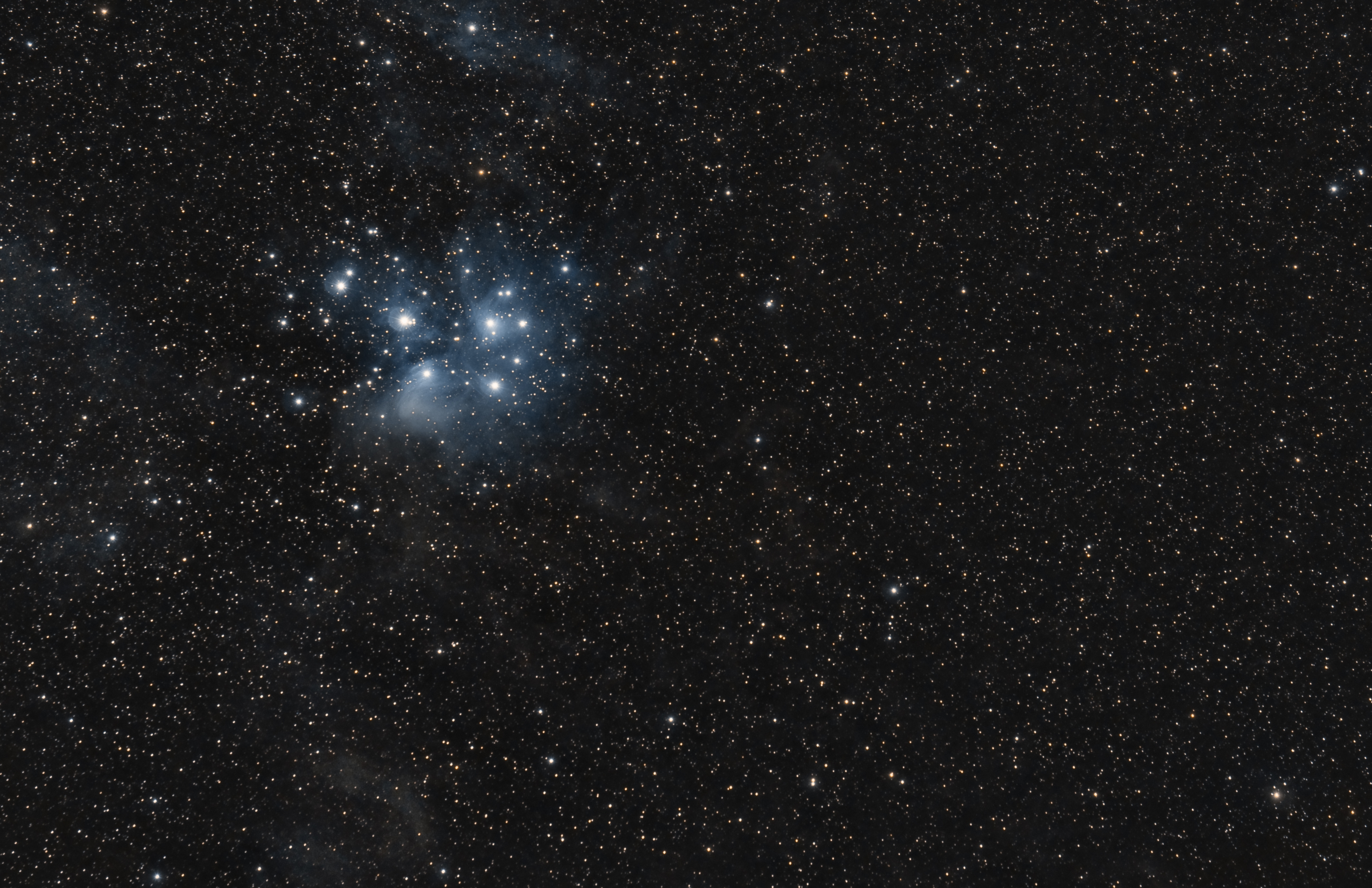
Binoculars can even be used to get a closer look at more distant celestial objects like the Pleiades star cluster, the Orion nebula, or the Andromeda galaxy.
Binoculars use lenses and prisms to increase how much light from distant objects enters your eyes, enabling you to see fainter things with greater detail, Piotrowski says.
He explains that if you’re looking to buy or borrow a pair of binoculars, they’ll be designated with a set of numbers separated by an X symbol. The first number is the magnification, or how much larger an object appears, and the second number is the diameter of the lens (in millimeters) or how much light it can gather. The larger the lens diameter, the better the binoculars will be for looking at faint objects.
“I would say 8x42 is the most commonly used for stargazing,” Piotrowski concludes. “They gather about 36 times more light than the naked eye does. Increasing the magnification will theoretically allow you to see more, but it means more sensitivity to motion, so you need a very steady hand or a tripod to really take advantage of it. Another great option is finding a comfortable chair or lying down somewhere to look at the night sky! That makes holding binoculars much easier.”
Even if you later graduate to a telescope, binoculars can still prove useful for quickly finding objects that you want to view.
