Planetary Habitability: The Origin of Water
More than 6,000 planets have now been discovered beyond our solar system, sparking a fundamental question: could any of these worlds support life?
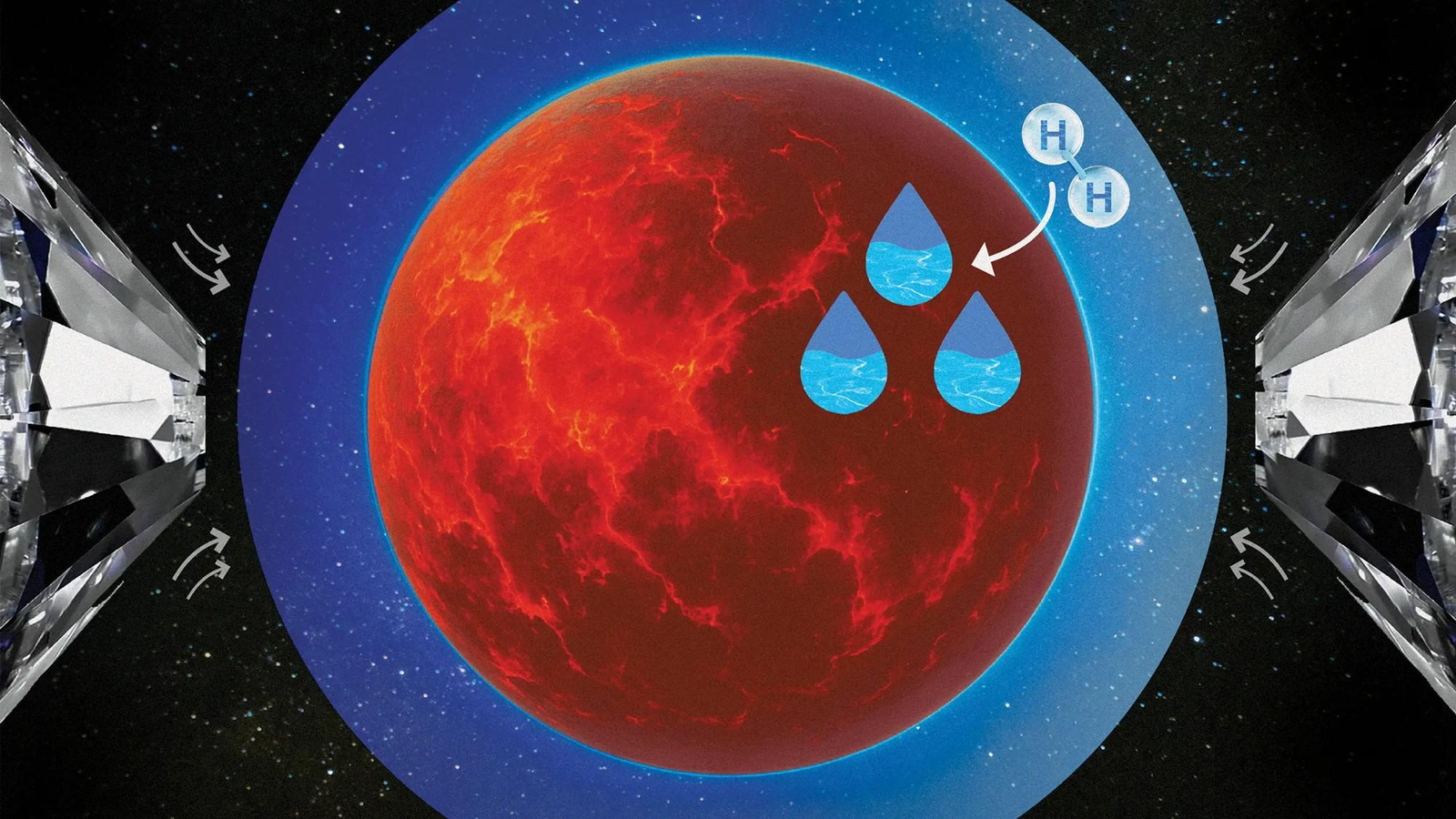
A key ingredient for life as we know it is liquid water. In this talk, I will describe our research into how water can form naturally during the earliest stages of a planet’s history. Many young planets are thought to be covered by vast oceans of molten rock, called magma oceans, and surrounded by thick atmospheres rich in hydrogen. Our theoretical and laboratory experiments show that when hydrogen in the atmosphere reacts with molten rock, large amounts of water can be produced. Remarkably, this process could have generated enough water on Earth to fill its oceans, while also storing a comparable amount deep inside the planet. These findings suggest that water—and therefore the potential for habitable conditions—may arise more easily on rocky planets than previously thought, improving the chances that some of the many known exoplanets could be capable of supporting life.