Overview
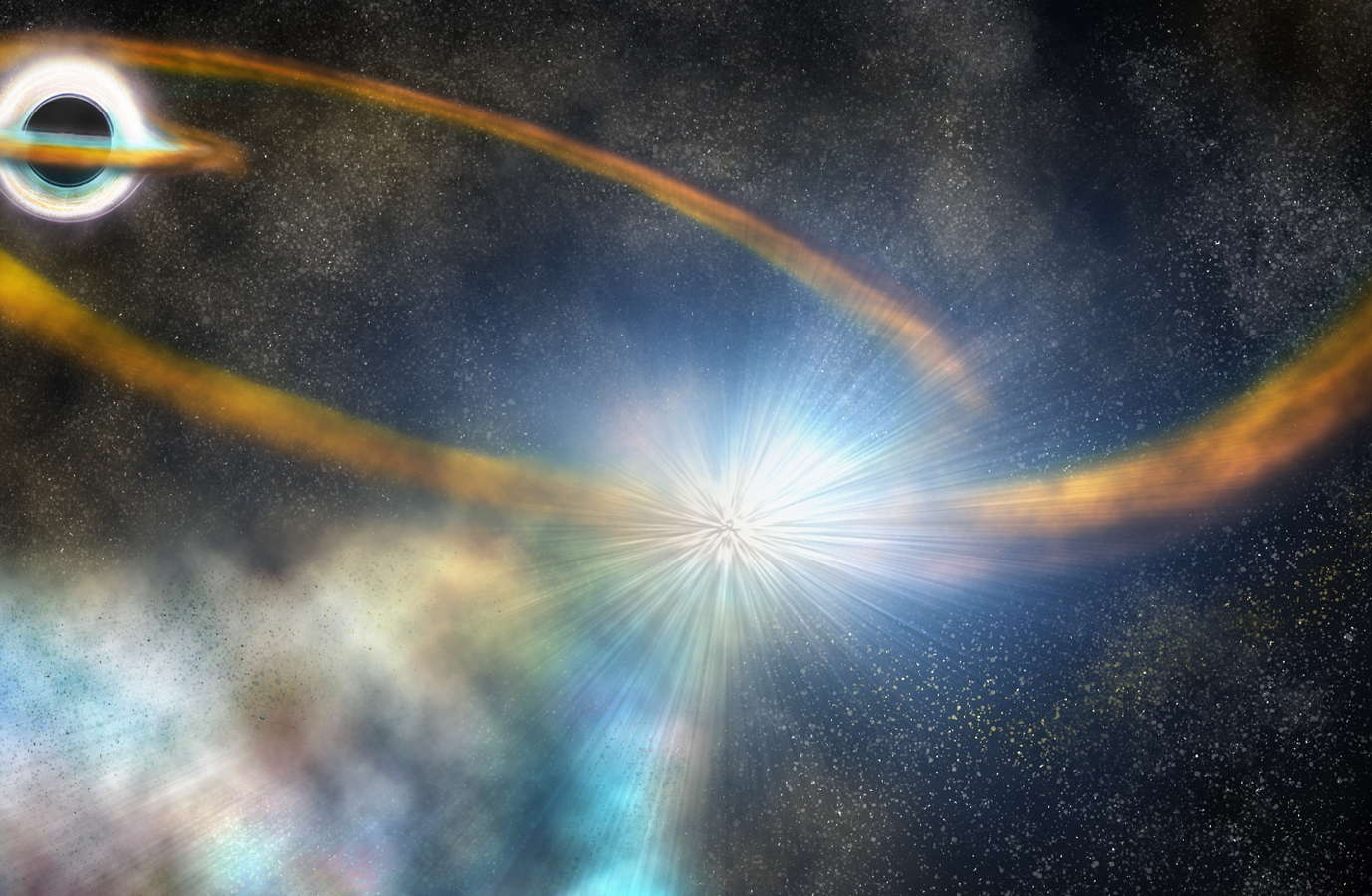
The supermassive black holes at the centers of galaxies power the most energetic phenomena in the universe and evolve alongside their hosts, but much remains unknown about their origins and growth. One of the most promising avenues for studying supermassive black holes and galactic nuclei is through the tidal disruption of stars that orbit too close to the black holes. These ‘tidal disruption events’ light up hidden supermassive black holes and encode information about the properties of both the black holes and their environments. While transient surveys have observed these for the past decade and a half, the number of detections is about to explode with the onset of LSST. I will show how we can combine theoretical models with observations to use tidal disruption events to probe the black hole mass function, the limits of black hole growth, and learn about how the local environment near the central black hole connects to large scale changes in the galaxy.