Carbon, nitrogen, and sex: The secret lives of hornworts
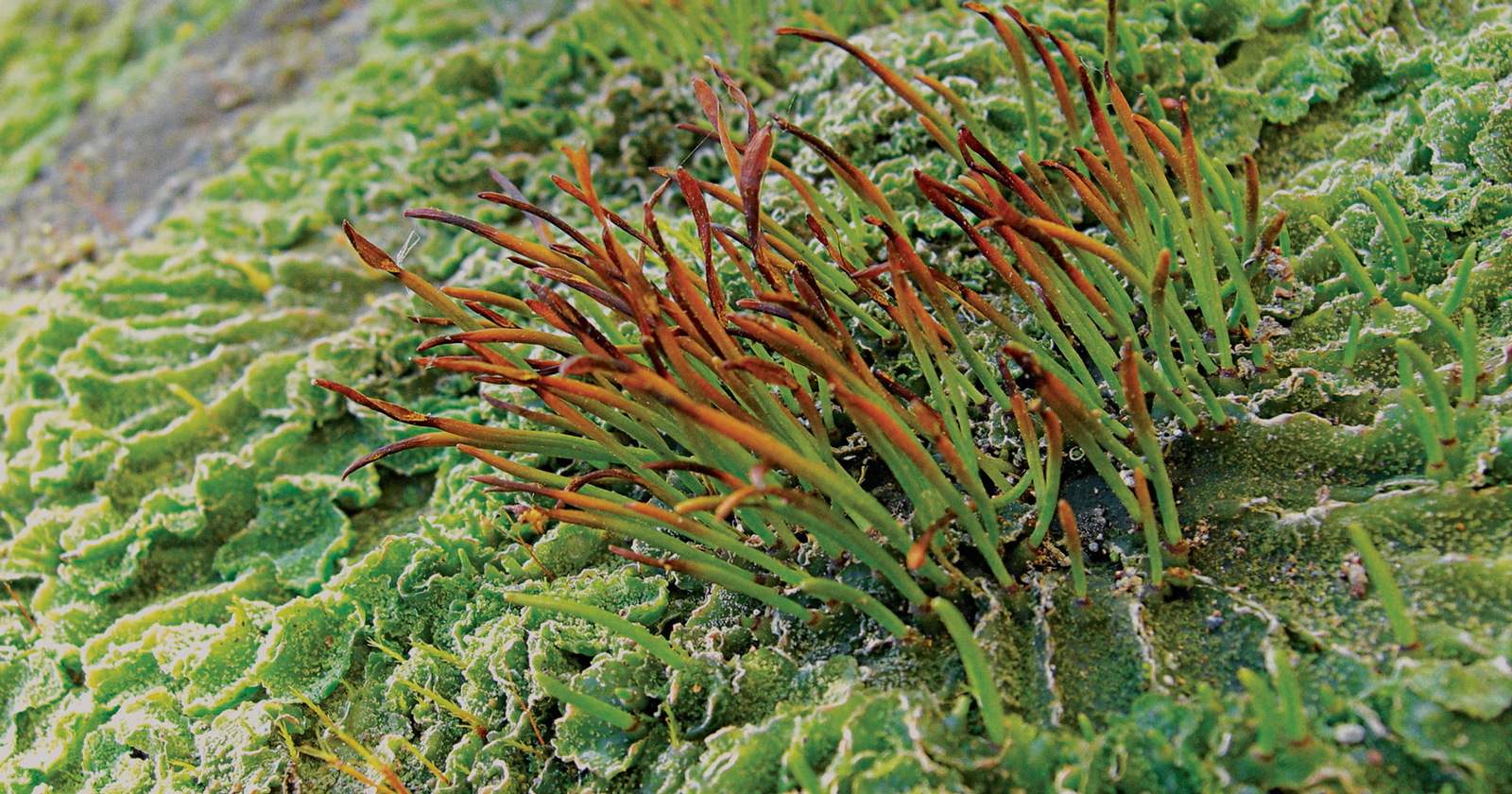
Hornworts represent one of the three bryophyte lineages and are evolutionarily and biologically distinctive. They diverged from other extant land plants more than 480 million years ago, placing them in a pivotal position for reconstructing early land plant evolution. In addition to their deep phylogenetic significance, hornworts possess a suite of remarkable traits, including well-differentiated sex chromosomes, obligate endophytic symbioses with N₂-fixing cyanobacteria, and pyrenoids composed of Rubisco condensates that underpin a biophysical CO₂-concentrating mechanism (pCCM). To enable mechanistic and comparative studies in this lineage, we have established a pan-phylum genomic framework and substantially enhanced genetic transformation efficiency across multiple hornwort species. Leveraging these resources, we are dissecting the origin and evolution of hornwort sex chromosomes, elucidating the molecular basis of cyanobacterial symbiosis, and uncovering the principles governing Rubisco condensation and pyrenoid function.