Bringing the Universe to Pasadena: Carnegie’s Commitment to Outreach

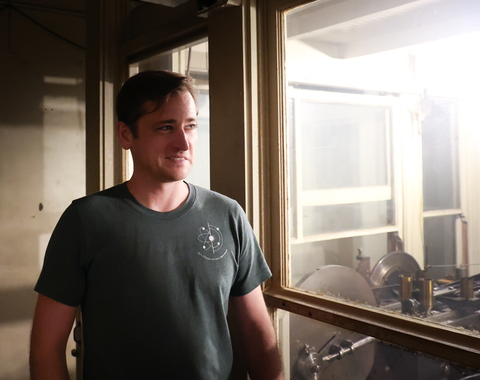
When Jeff Rich joined Carnegie Observatories in 2016, he arrived with a simple idea: if you are doing extraordinary science in someone’s backyard, the least you can do is invite them in.
“Pasadena’s public schools are underfunded, a lot of the kids are underprivileged,” Rich says. “We have a crowd in our backyard who we want to actively reach out to and let them know—here’s all this cool stuff that’s happening, here’s why it’s fun, and you could do it.”
Rich, who leads education and outreach programming for Carnegie Observatories in Pasadena, had been doing volunteer public outreach since graduate school at the University of Hawaii, where he helped run the astronomy department’s community engagement program. When he arrived at Carnegie, he built on that experience to create something broader, more intentional, and more deeply connected to the community Carnegie calls home.
Science on Their Terms
At the heart of Carnegie’s outreach is a simple goal: meet people where they are. Whether at schools, libraries, science nights, community festivals, or public events, Rich wants to create opportunities for people to take part in science, not just hear about it.
“Everybody loves an activity,” he says. “Even adults want to look through a telescope or step inside a planetarium.”
The inflatable planetarium, purchased with support from the Pasadena Community Foundation, has become one of the most beloved tools in Carnegie’s outreach program. Rich first used an inflatable dome during his time in Hawaii, where the response from schoolchildren was immediate and unmistakable. Once he arrived at Carnegie, he went looking for funding to get one of his own.
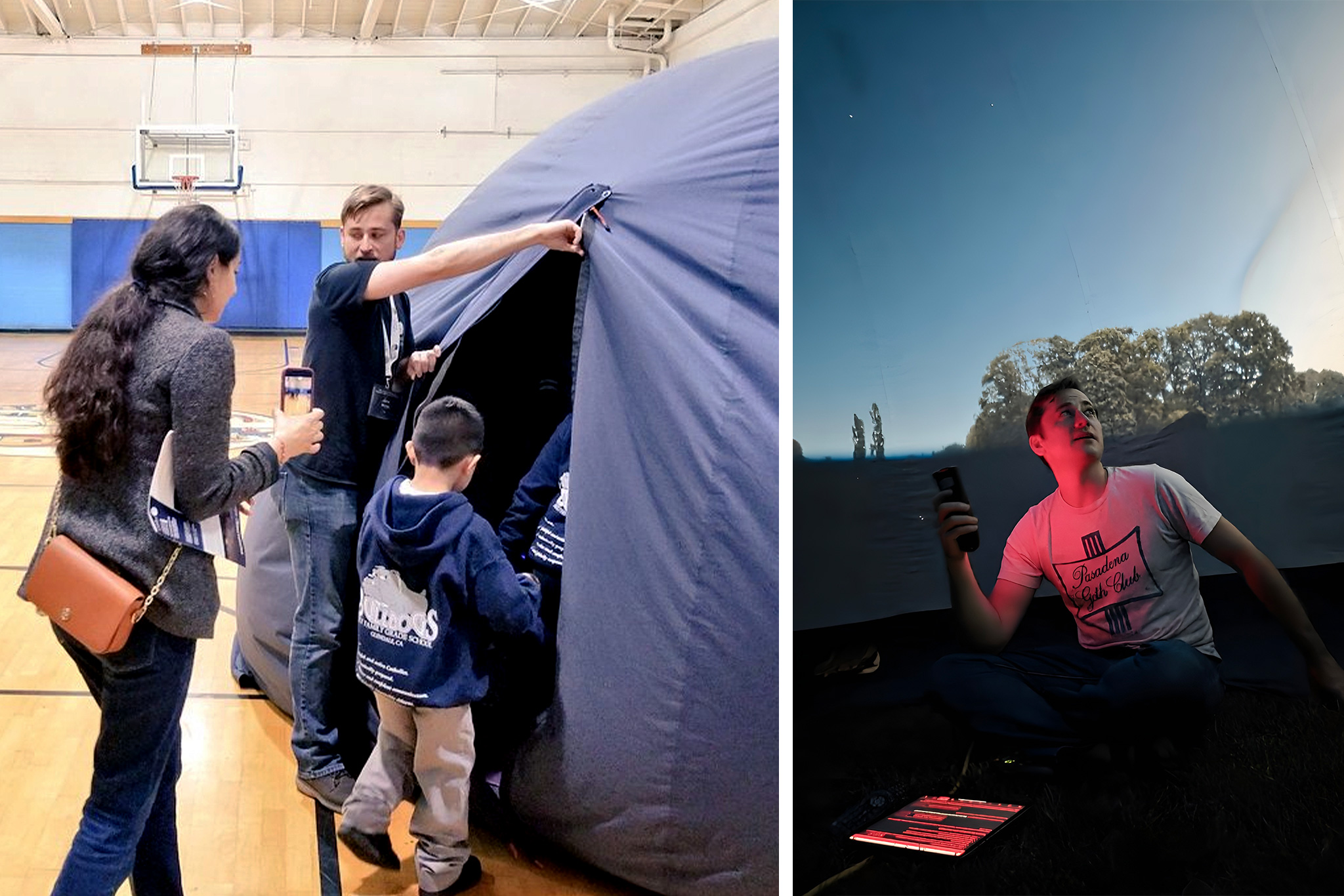
Inside the dome, Rich tailors the program to each audience. He might begin with the night sky over Pasadena, then show how the sky changes from Alaska, Mexico, or Chile, where Carnegie’s Las Campanas Observatory (LCO) telescopes sit under some of the darkest skies on Earth. Along the way, he weaves in the science Carnegie astronomers actually do, using in-house 360-degree photos of the LCO domes to give audiences a glimpse inside a world most people have never imagined stepping into.
Another staple is the spectroscopy demo, which uses simple diffraction grating glasses to split light into rainbows and introduce one of the basic tools astronomers use to study the universe. Rich will tell a classroom: “did you know these are the same kind of bulbs our telescopes use to calibrate their data?” It is a small connection, but one that makes the science feel immediate rather than abstract.
A City of Astronomy
Pasadena is home not only to Carnegie, but also to Caltech, NASA’s Jet Propulsion Laboratory (JPL), the Infrared Processing and Analysis Center (IPAC), the Pasadena City College astronomy program, the Planetary Society, and project offices for two of the world’s largest next-generation telescopes. For a city of roughly 140,000 people, that concentration of astronomy and space science is remarkable.
Rich and his colleagues wanted to celebrate that.
The result is City of Astronomy, a coalition of Pasadena-based organizations that hosts large public events designed to engage local space-lovers of all ages. In June, the group organized a half-day science fair at the Pasadena Convention Center in conjunction with a meeting of the American Astronomical Society, three just-for-fun Astronomy on Tap programs, and a hands-on activities evening for kids at the Villa Park Community Center.
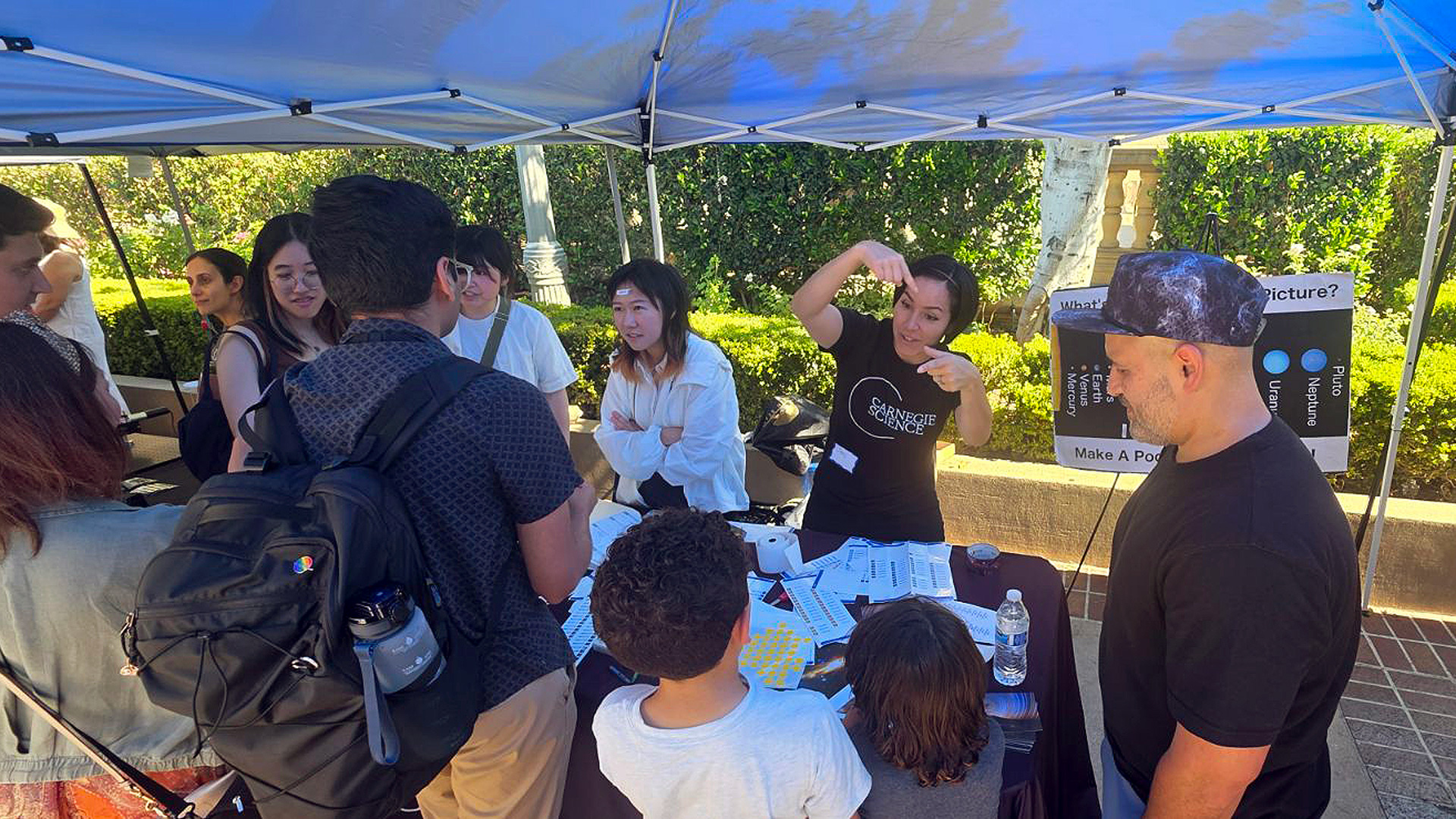
Congressional Representative Judy Chu and Pasadena Mayor Victor Gordo attended the Convention Center event, which drew about 2,500 people over a few hours.
Chu expressed enthusiasm for the crowd’s energy, noting that the city is “a global hub for groundbreaking science, technological innovation, and space exploration” that is responsible for some of the most impressive breakthroughs in the field of astronomy.
“It’s so wonderful to see the energy that is here,” she told a packed presentation space, adding that she was particularly excited to see the young people who were engaged in STEM learning.
More than 3,000 people participated in the 2026 City of Astronomy programs across five days.
After the most recent City of Astronomy event, Mayor Gordo expressed interest in making it an annual tradition.
“We’ll have to make that happen,” Rich says.
Going Where the Audience Is
Rich is also always looking for new audiences—people who might never seek out a science event on their own, but who might encounter Carnegie through something they were already planning to do.
“Sometimes people just want to talk to a scientist,” he says. “And that’s a way that I always feel like we can connect what we do with the public.”
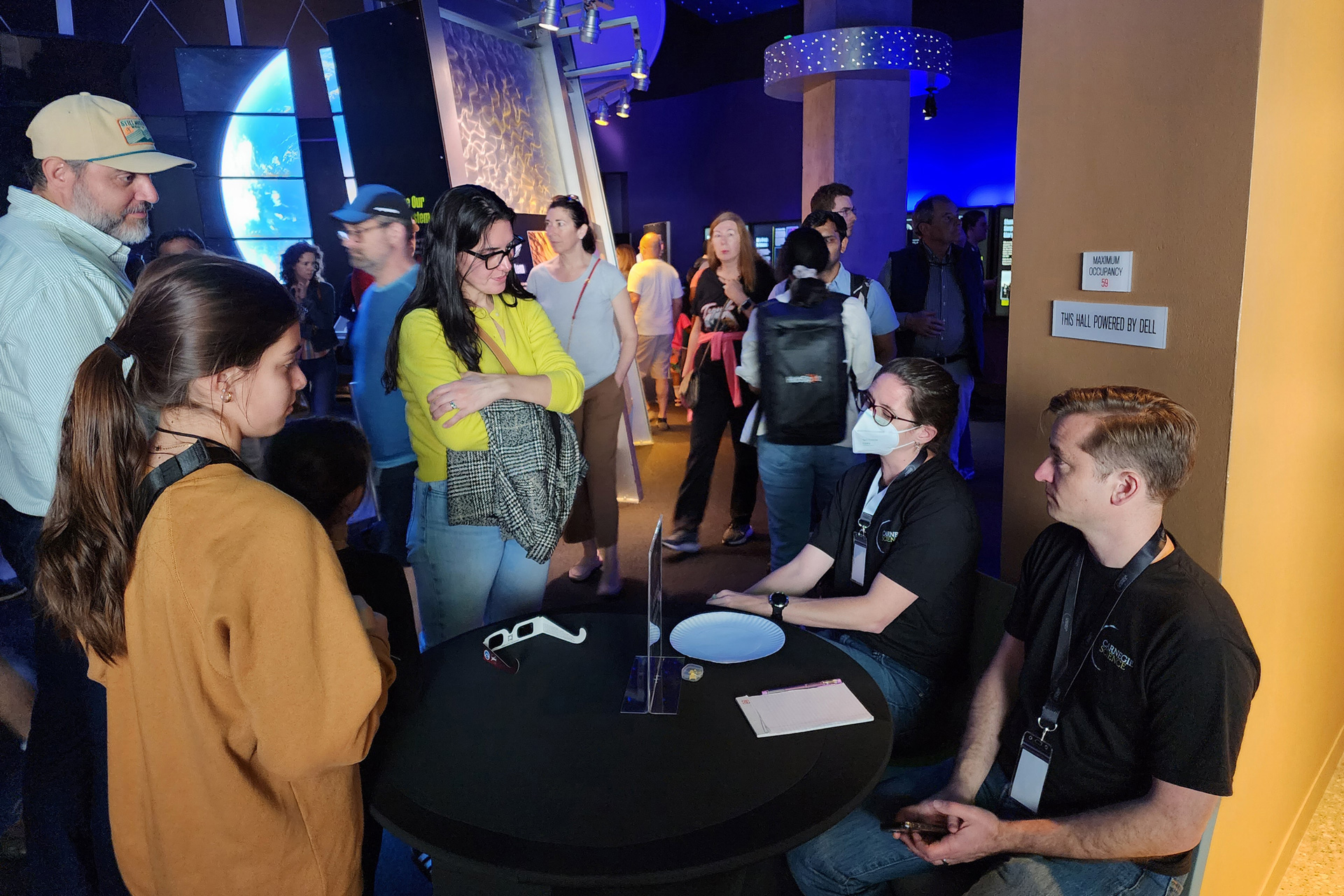
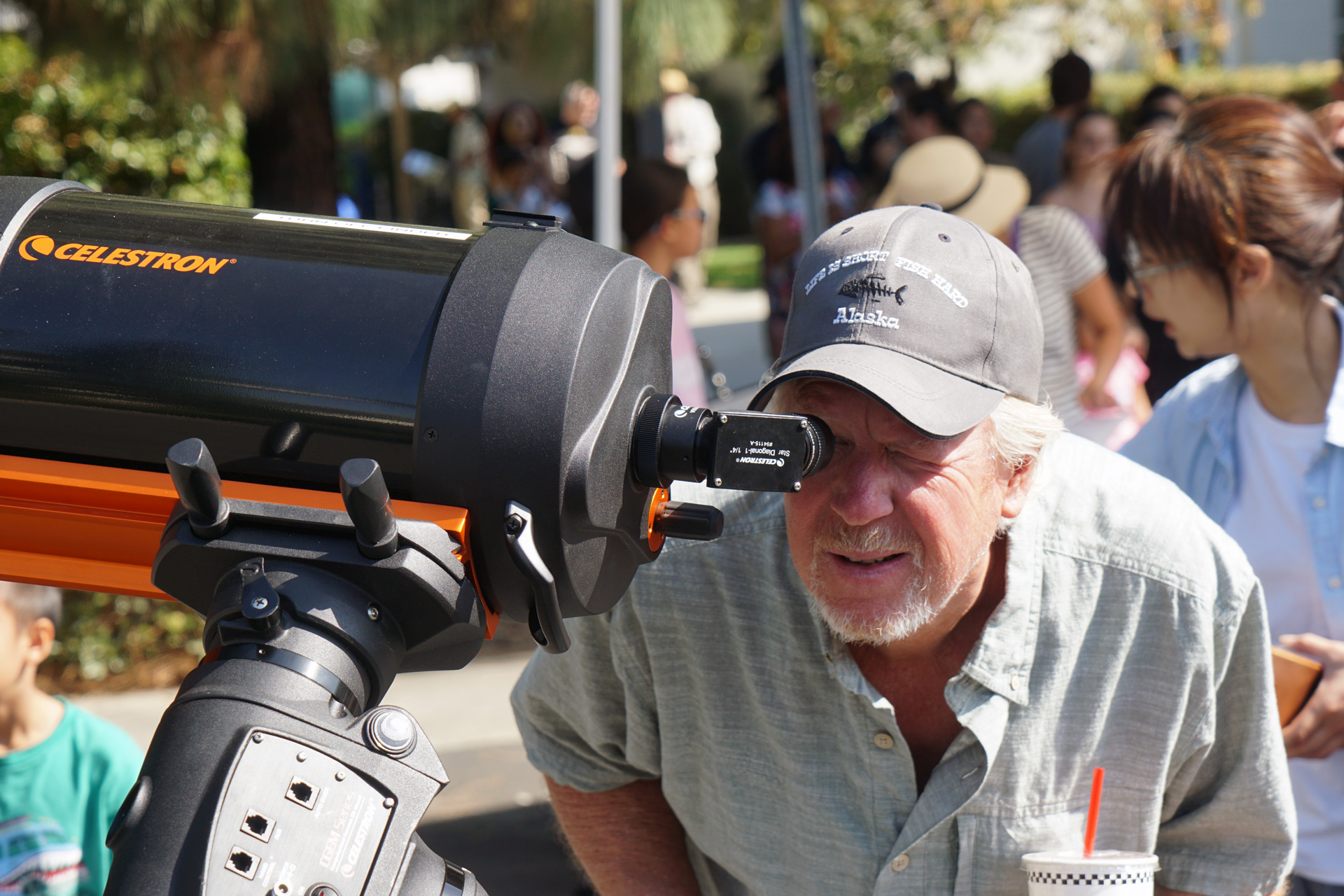
That has meant bringing telescopes to unexpected places, including an evening event at LACMA, where guests moved between cocktails, exhibits, and views through the eyepiece.
“I don’t usually get tipsy people at the telescope,” Rich says, laughing. “But it’s a completely different crowd than we would get here.”
It has also meant setting up a telescope outside a documentary screening and maintaining a presence at science festivals across the Los Angeles area. Each event offers another chance to reach people who may never have thought about the science happening nearby in Pasadena.
“The drawback to our astronomy events in Pasadena is you start getting the same people over and over again, which is good,” Rich says. “That means they like you and they want to keep coming back. But we want to grow and hit crowds we might not otherwise reach.”
Opening the Doors
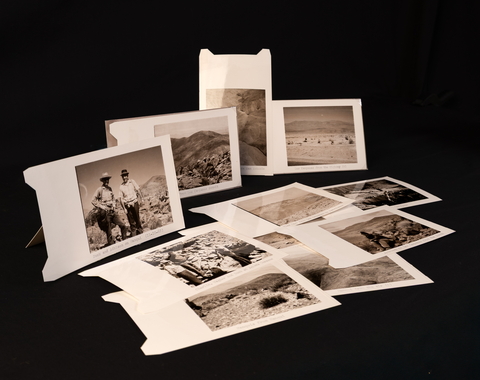
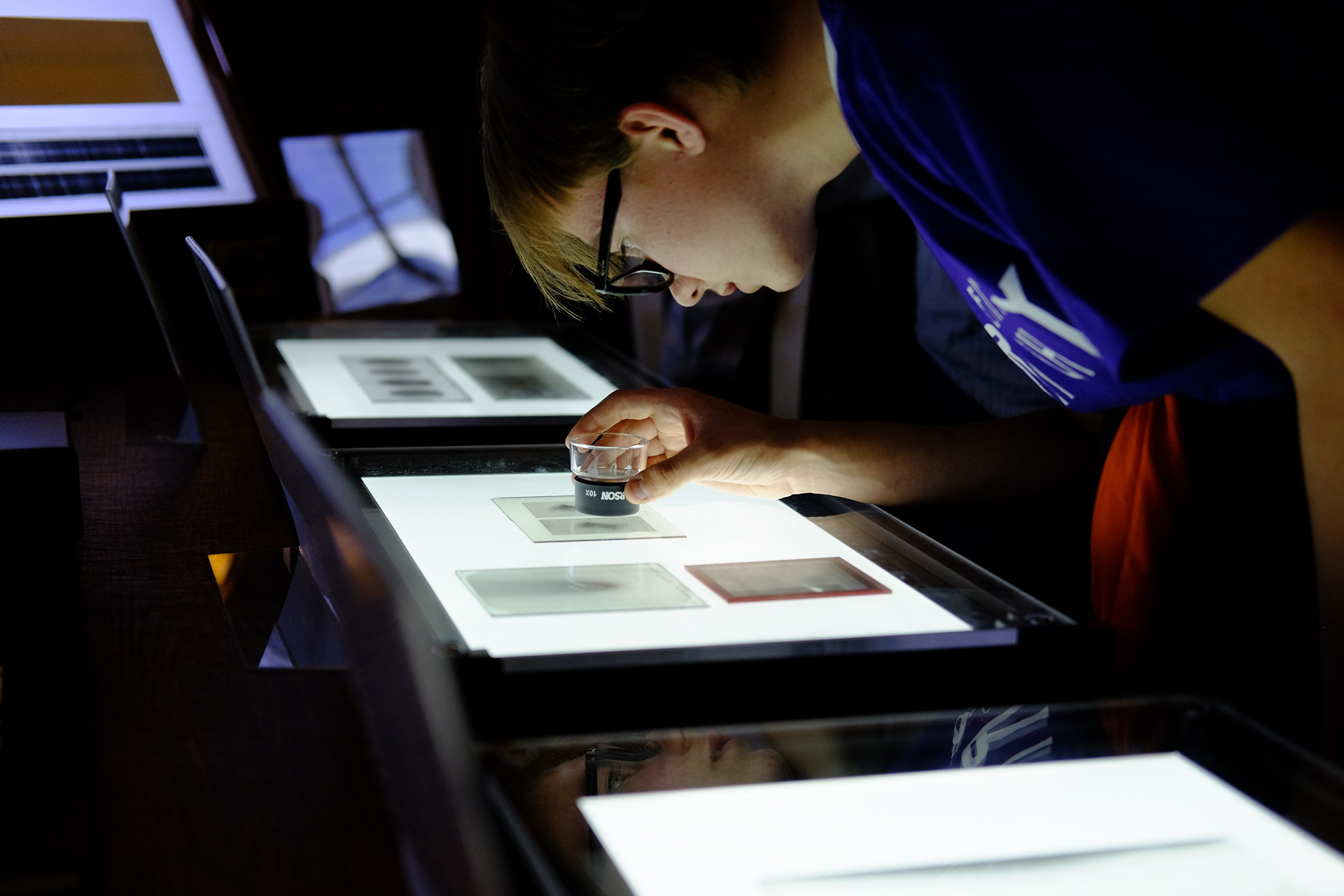
The signature event of Carnegie’s outreach calendar is the annual Open House, held each October on the Observatories campus in Pasadena. Free, family-friendly, and packed into three hours, it draws more than 700 people for hands-on crafts and educational activities, solar telescope viewing, historic photographic plates from the library, machine shop demonstrations, a 3D videogame in the "Visualization Laboratory,” and talks from Carnegie scientists on topics tied to whatever is captivating the astronomy world that year.
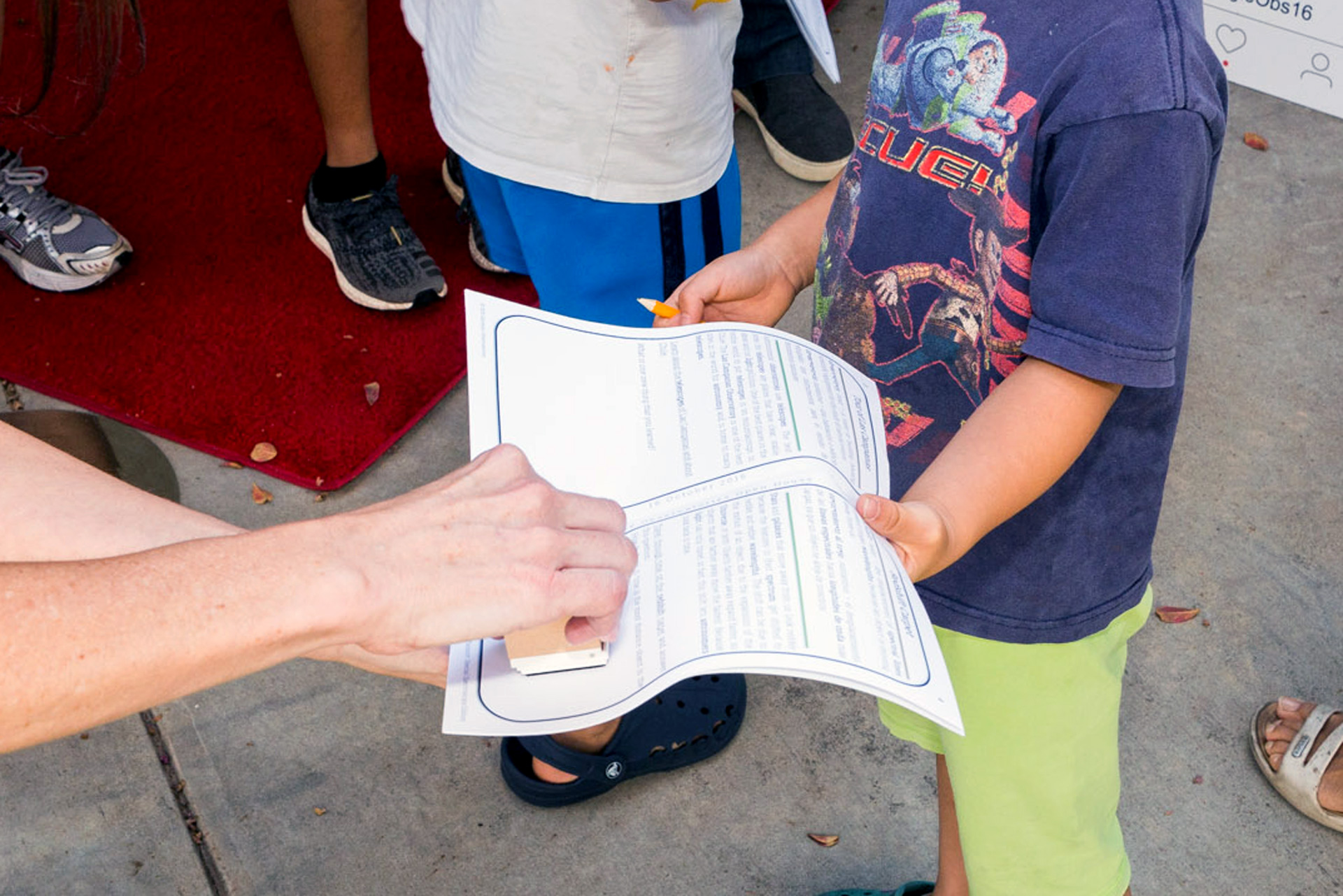
One unexpected hit is the passport—a card visitors get stamped at each station as they make their way around campus. It started as something for kids, but adults wanted in on, too.
“There’s something about having a physical thing to hold, a record of where you’ve been, that makes people want to see it all,” Rich says.
Building Something That Lasts
Beyond one-off events, Rich has been working toward something more systematic: a program that brings Carnegie astronomers into Pasadena schools on a regular basis.
The goal is simple, but ambitious. By the time students graduate from Pasadena schools, Rich wants each of them to have had some kind of contact with a Carnegie astronomer—a meaningful encounter that connects them to the science happening in their own community.
“We’re building a generation of people who know what Carnegie does, know where to find us, and know to look out for us,” Rich says.
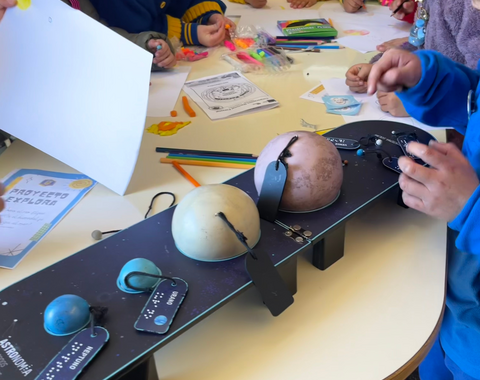
This summer, Rich and colleague Jessica Soto are piloting a new program with the Pasadena Educational Foundation's five-week summer camp, bringing Carnegie astronomers into classrooms once a week to work with third, fourth, and fifth graders on basic astronomy lessons. The sessions are hands-on and activity-driven, but they are also built around the idea that meeting a real scientist can make science feel more possible.
“I would like the students to see that it’s not just old guys that do science,” he says. “Not everyone’s going to become a scientist, but you kind of want them to know this is a job that anyone can do.”
The longer-term goal is to reach middle schoolers. Around seventh or eighth grade, young people begin forming lasting ideas about who they are and what they can become. Rich wants Carnegie Science to be part of that conversation—not to push students toward astronomy, but to leave the door open.
What Success Looks Like
Success in outreach can be hard to measure, but Rich knows what it feels like when it happens.
For him, it is engagement: someone asking a question, coming back to the next event, or showing up at Open House and saying they came because of a school visit two years ago. It is unsolicited feedback—knowing that people were paying attention, and that something stuck.
“The classic is, as long as one person learns something and carries it with them, that’s success,” he says. “It feels good.”
What drives him goes beyond mere metrics. Carnegie scientists are doing remarkable work, and the people of Pasadena, especially students, deserve to know about it.
“We do outreach because we want to share the work we do,” he says. “We think it’s exciting. And because a lot of us have a sense of service to the community.”
Related Content