Astronova Postdoctoral Fellowship


Opportunities
Proposals for original projects are welcome, but prospective Fellows may also choose to contribute to onpoing efforts.
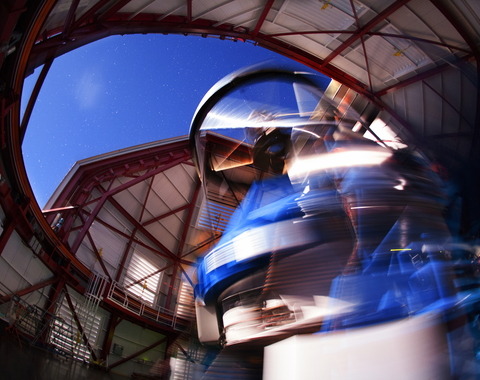
Carnegie SkyWorks Pathfinder is a concept for a flexible, scalable platform for flight-qualifying space-based instrumentation, that will allow Carnegie scientists and engineers to prototype, integrate, and test the technologies needed for future orbital observatories. The Carnegie lead of the Carnegie SkyWorks Pathfinder is Juna Kollmeier.
FALCON is a wide field, multi-object optical spectrograph under conceptual design for use at Magellan. While the optical design is well developed, significant effort in all other aspects of instrument design are needed. The Carnegie lead on FALCON is Jeff Crane at the Observatories in Pasadena.
The GMT Commissioning Camera is under final design. Opportunities exist to contribute to assembly, integration and testing as well as data pipeline development. The Carnegie lead on GMT ComCam is Jeff Crane at the Observatories in Pasadena.
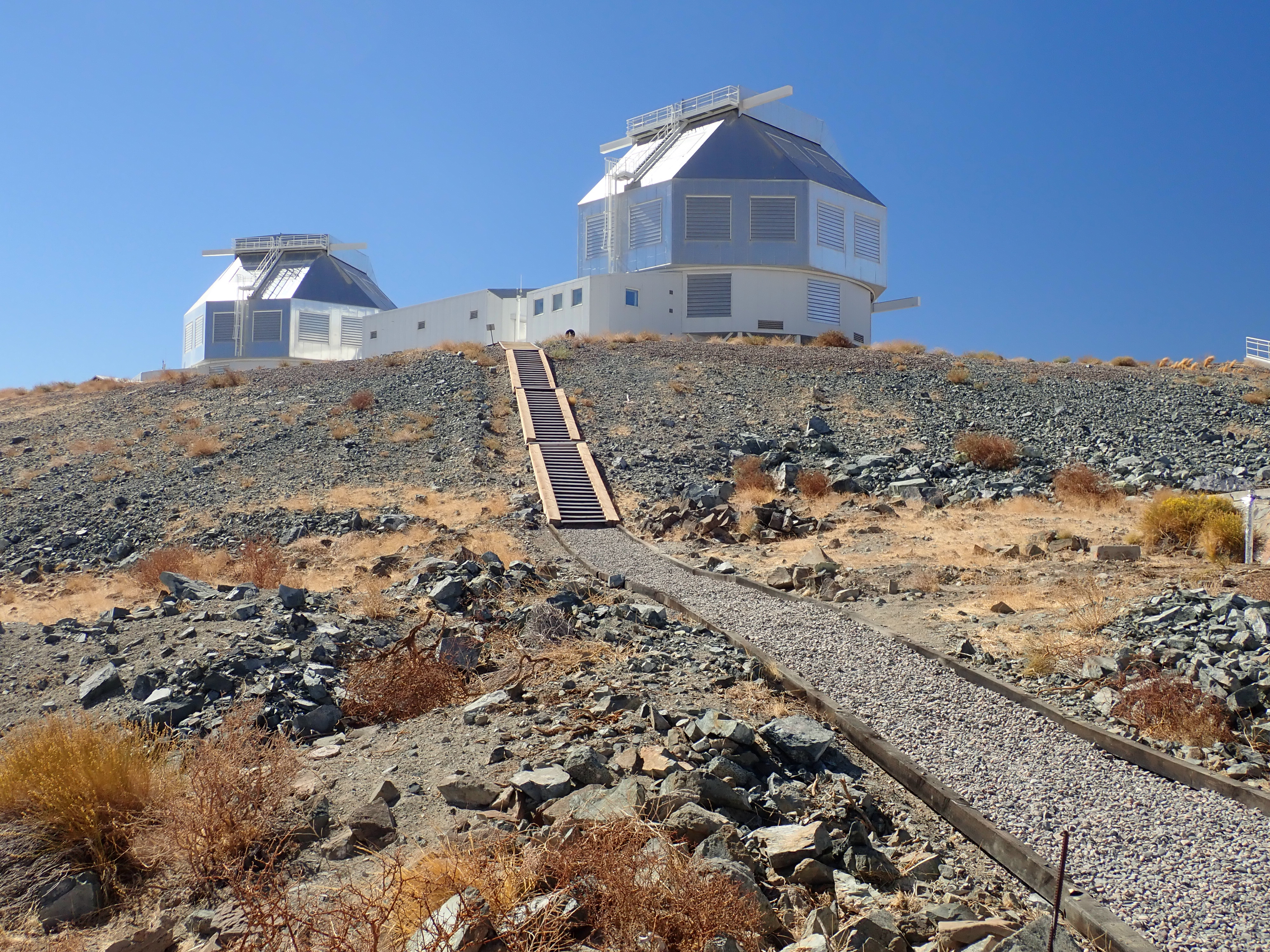
MagNIFIES is a wide-band, high-resolution infrared spectrograph to be deployed on Magellan in preparation for its ultimate deployment on the GMT as GMTNIRS. The Carnegie lead on MagNIFIES is Alycia Weinberger at the Earth and Planets Laboratory in Washington, DC.
MIRMOS is a multi-purpose infrared spectrograph for Magellan with an integral field unit, a multi-slit spectroscopic system, and a slit spectrograph with a diffuser to provide high precision spectrophotometry. The Carnegie lead on MIRMOS is Nick Konidaris at the Observatories in Pasadena.
SDSS is a large astronomical survey using facillities at Apache Point Observatory and Las Campanas Observatory, currently planning its sixth phase, which will deploy new instrumentation at multiple sites, including a new large integral field unit system, as part of the Local Volume Mapper 2 program. The Carnegie lead on LVM2 is Guillermo Blanc at Las Campanas Observatory in Chile.
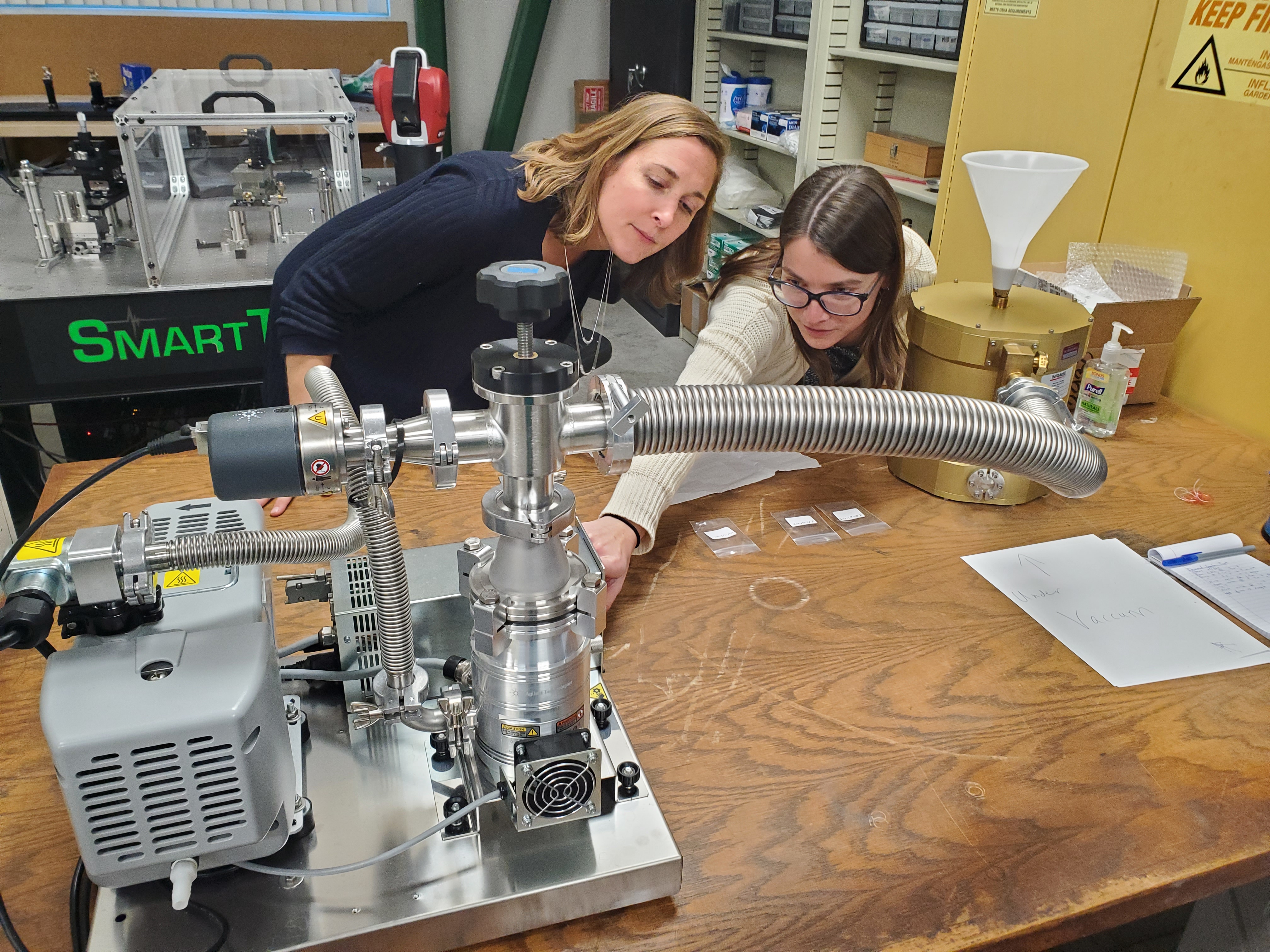
Sephira is an intensity interferometry project using an array of telescopes to use third-order photon correlations to construct images of stellar surfaces, designed as a prototype system to explore this technique for the first time in astronomy. The Carnegie lead on Sephira is Nick Konidaris at the Observatories in Pasadena.
Via is a wide-field fiber spectrograph planned for installation on the Magellan Clay telescope. nearing its commissioning and data pipeline development stages. The Carnegie lead on Via is Ana Bonaca at the Observatories in Pasadena.
Faculty
Guillermo Blanc studies the interstellar medium of galaxies, is the Interim Director at Las Campanas Observatory, and is a Program Head of the Local Volume Mapper 2 for the sixth phase of SDSS.
Visit BioJeff Crane focuses on high-precision radial velocity measurements of exoplanet host stars. He co-leads FALCON, a wide-field, wide-band optical spectrograph, and serves as PI for the Giant Magellan Telescope Commissioning Camera.
Visit BioJuna Kollmeier works on structure formation in the universe on all scales. As an observationally-oriented theoretical astrophysicist with broad interests, she works on the development of theoretical ideas ranging from planet formation to cosmology and the instruments and platforms that enable testing those ideas. She is the SDSS-V Director and is currently working on developing a pathfinder instrument for a small space telescope.
Visit BioSteve Shectman co-leads FALCON and is currently building ROSIE, a wide-field image slicer that adds capability to the Carnegie-developed IMACS imaging spectrograph.
Visit BioAna Bonaca probes the Milky Way’s stellar streams to infer dark matter distributions. She co-leads the Via project and mentors fellows on the design, development, and testing of the instrument.
Visit BioDan Kelson studies galaxy formation and evolution. He develops data reduction pipelines and analysis techniques for multiple instrumentation projects.
Visit BioNick Konidaris leads the design and construction of optical and infrared instruments. He is the PI for MIRMOS (a multi-object near-infrared spectrograph), Henrietta (an exoplanet atmosphere spectrograph), and Sephira (a visible-light intensity-interferometer spectrograph utilizing Hanbury Brown–Twiss imaging techniques).
Visit BioAlycia Weinberger (based at EPL) studies planet formation. She is a co-investigator on the MagNIFIES high-resolution infrared spectrograph and develops its science and operational requirements.
Visit Bio
Technical Facilities & Resources
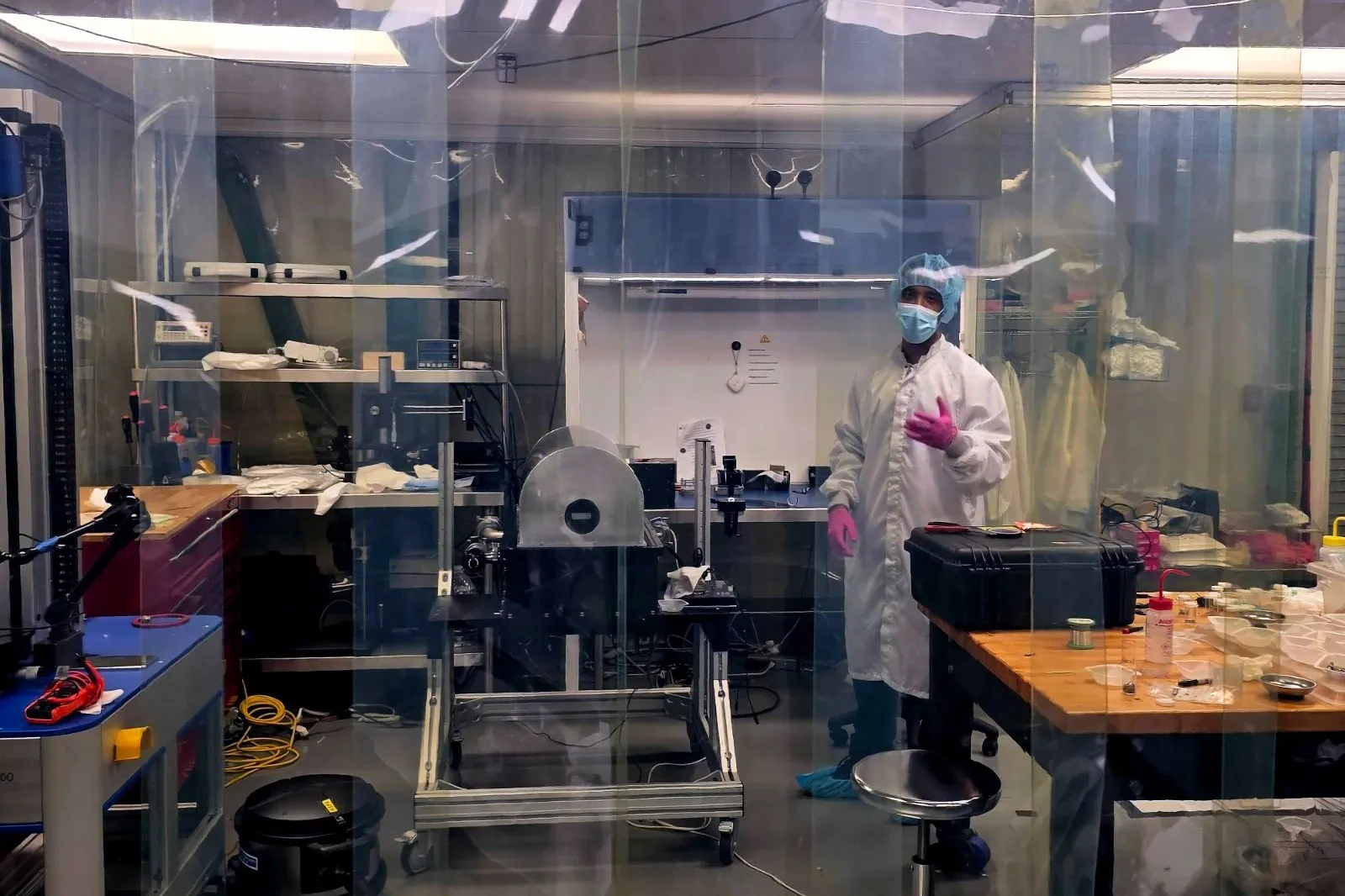
Carnegie’s instrumentation program is located at the Instrumentation & Engineering Group in Pasadena. The facility includes a 2,000-square-foot integration hall, a Class 10,000 clean room, and a Class 100 laminar flow bench for detector and optics work. In addition to hardware facilities, Carnegie provides high-performance computing resources to support instrument simulation, design, and data analysis.
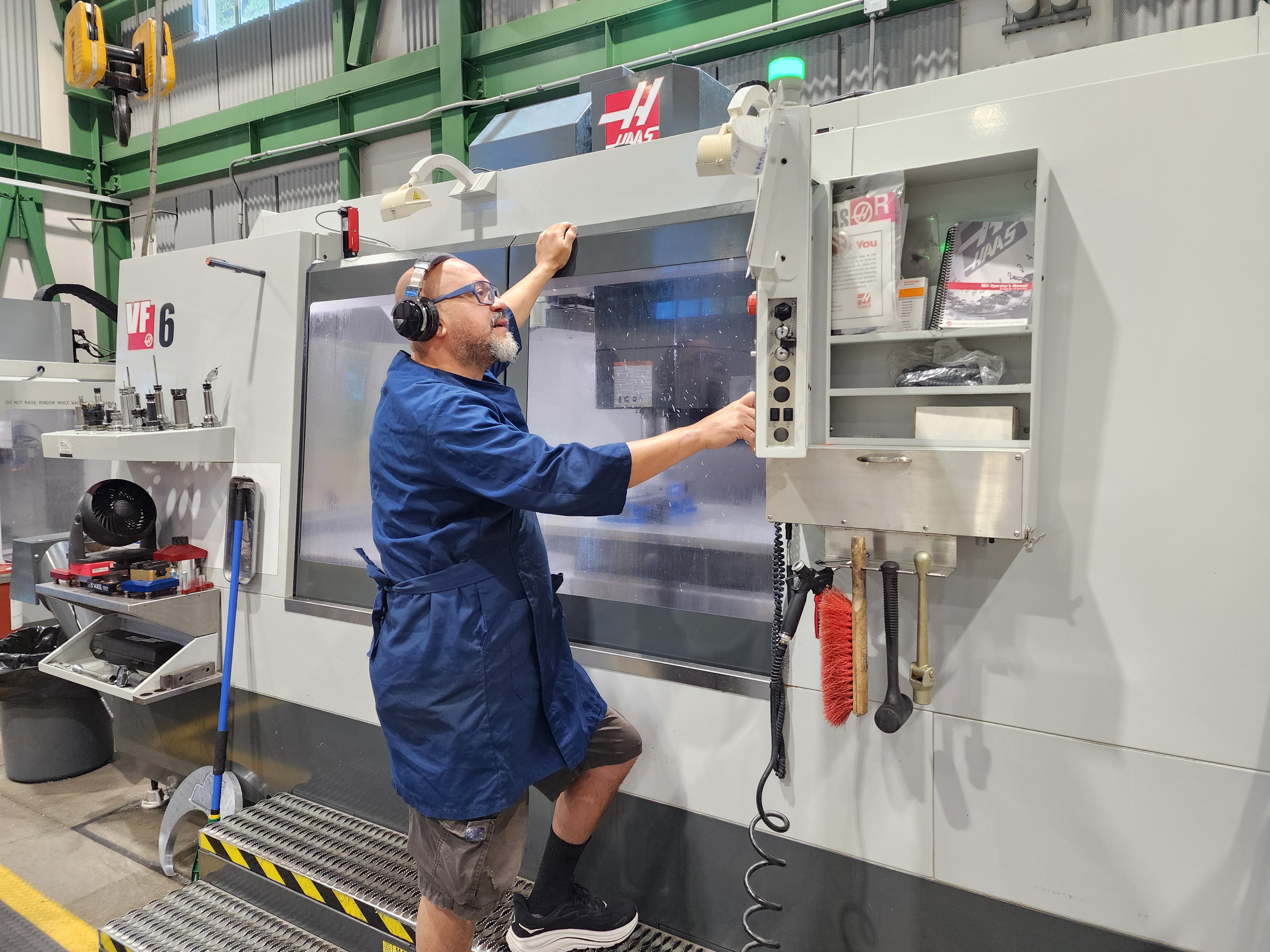
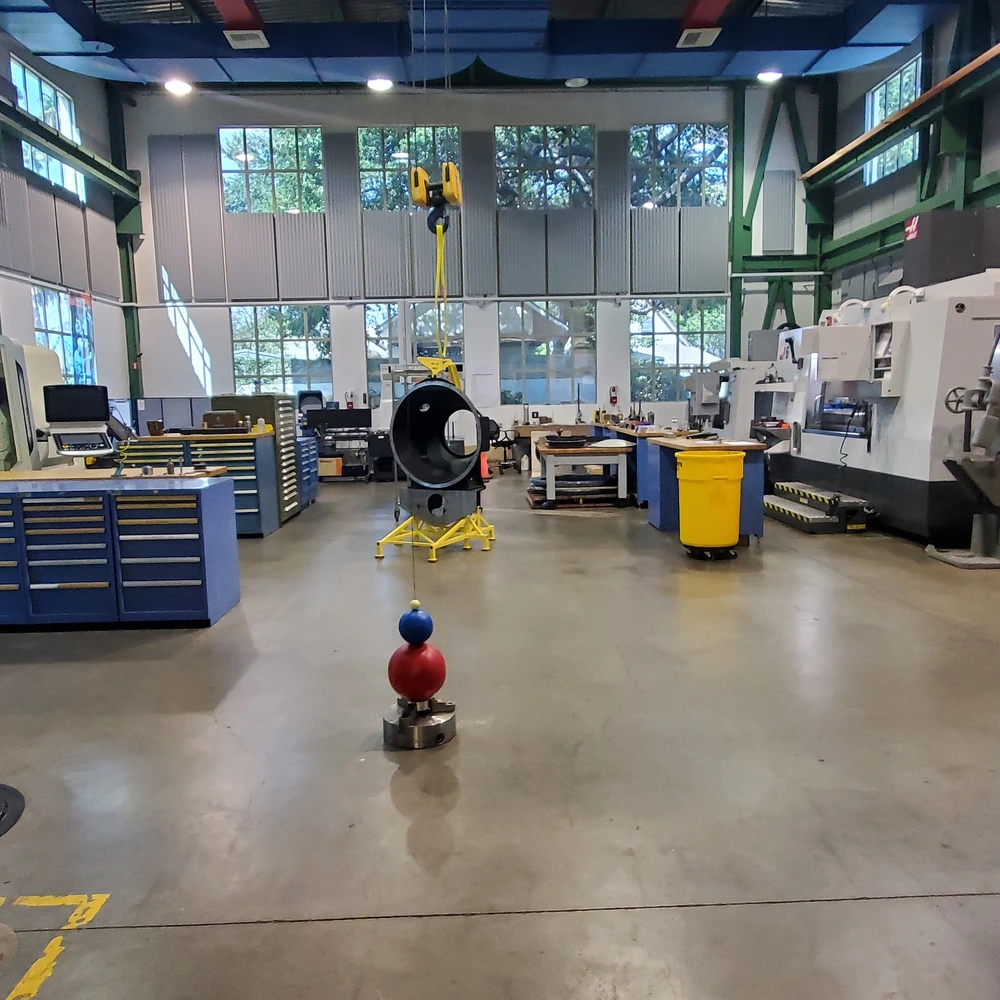
Fellows work alongside a multidisciplinary team of mechanical, optical, electrical, software, and systems engineers who support instruments from concept to verification. An adjacent machine shop, staffed by three full-time machinists, is equipped with CNC mills, a CNC lathe, and manual machines for prototyping and fabrication. For on-sky deployment, Carnegie maintains an instrument receiving facility at Las Campanas Observatory, which includes clean tent enclosures and local machine shop access for final checkout and commissioning on the telescopes at Las Campanas.

Mentorship, Teaching & Career Development
Carnegie Science provides specific structures for the professional development of postdocs:
Mentorship & Training: Monthly workshops cover topics such as grant writing, job interview preparation, laboratory management, and research ethics. A formal mentoring program is also available to help postdocs develop mentoring skills.
Teaching & Outreach: Fellows may teach as instructors of record through partnerships with local community colleges. Additionally, fellows can mentor undergraduate students through the Carnegie Astrophysics Summer Student Internship Program (CASSI) and the EPIIC program at EPL.
Postdoc Community: The Carnegie Institution Postdoctoral Association advocates for the interests of the 28 astronomy and astrophysics postdocs currently at the Observatories, organizing regular events and providing a network for professional support.
Machine Shop
We have more than a century of experience designing and building ground-breaking instrumentation for our telescopes. Because our telescopes and instruments are designed on campus—a rarity today—our astronomers and theoretical astrophysicists work closely with our engineers and machinists to create the optical designs of the future.
Learn More